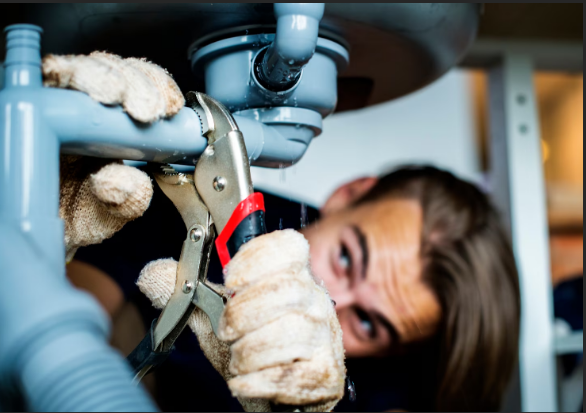
Many homeowners assume a small leak is minor and will not lead to serious damage. In reality, pipes rarely fail without warning. These early changes often point to deeper problems inside the water line. When ignored, they can quickly turn into a burst that causes costly damage.
Recognizing when water line installation may be needed helps homeowners act before an emergency happens. Small leaks usually signal stress, aging materials, or hidden cracks in the supply line.
Understanding these signs early can help prevent major water damage. In the sections below, we break down the most common warning signs and explain what each one means for your home.
Key Takeaways
- Low water pressure across multiple fixtures often signals a leaking supply line.
- Rising water bills without increased usage usually mean hidden water loss.
- Discolored or rusty water points to internal pipe corrosion.
- Damp walls, floors, or soggy yard areas indicate ongoing leaks.
- Repeated small leaks often mean the water line is close to failure.
- Most pipe bursts happen after weeks or months of visible warning signs.
Common Warning Signs to Get Water Line Installation
-
Ongoing Low Water Pressure Throughout the Home
Low water pressure across the home is often one of the first warning signs of water line trouble. When multiple fixtures lose pressure at the same time, the issue is rarely a single faucet.
Homeowners often notice:
- Weak flow from showers and sinks.
- Pressure drops when more than one fixture is used.
- Changes when the washer runs or the washing machine drain cycle starts.
If pressure stays low even after fixture checks, water line installation may be needed to restore proper flow and prevent further damage.
-
Rising Water Bills With No Change in Usage
A rising water bill without increased use is a strong sign of hidden leaks. Water may be escaping continuously, even when nothing is turned on.
Common signs include:
- Monthly bills are increasing gradually.
- No visible indoor leaks.
- No changes in daily water habits.
When billing issues persist without explanation, professionals often recommend installing a water line rather than repeating repairs.
-
Discolored, Rusty, or Cloudy Water
Water discoloration usually points to corrosion inside the pipes. As pipes age, rust and mineral buildup weaken the inner walls.
Homeowners may notice:
- Brown or yellow water.
- Cloudy water after sitting unused.
- Metallic taste or odor.
When discoloration keeps returning, water line installation is often suggested to prevent sudden pipe failure.
-
Damp Walls, Floors, or Water Stains Indoors
Hidden leaks often appear indoors as moisture damage long after the leak begins.
Warning signs include:
- Peeling paint or bubbling drywall.
- Water stains near baseboards.
- Soft or warped flooring.
Some homeowners request emergency drain cleaning, but if moisture returns, the issue is often a leaking supply line rather than a drain problem.
Water often travels along framing before appearing, which means the leak may be far from the visible damage. These signs usually indicate ongoing leakage behind walls or under floors.
-
Wet or Soft Areas in the Yard
Outdoor signs are common with underground water line leaks. Escaping water saturates the soil and slowly reaches the surface.
Homeowners may see:
- Soggy ground that never dries.
- Unusually green or fast-growing grass.
- Soft or sunken soil.
When wet areas persist, waterline installation is often needed to prevent ongoing soil damage.
-
Repeated Small Leaks in the Same Area
Recurring leaks in the same section of pipe are a strong sign that the pipe material is breaking down. When one area fails, nearby sections are often already weakened. Each repair adds additional stress to the surrounding pipe, increasing the likelihood of future leaks.
Common patterns homeowners notice include:
- Multiple repairs happening within months.
- New leaks forming close to previous repair spots.
- Less time passing between each leak incident.
These patterns usually mean the pipe has reached the end of its usable life. While repairs may temporarily stop the leak, they do not restore the pipe’s strength. When leaks keep returning in the same area, water line installation becomes safer and more reliable than ongoing patchwork, helping prevent a sudden burst caused by pressure buildup.
-
Unusual Noises When Water Is Running
Healthy pipes operate quietly and without vibration. When pipes begin making noise, it often means water is struggling to move through damaged or narrowed sections of the line.
Sounds homeowners may hear include:
- Banging or knocking behind walls.
- Whistling noises when faucets are turned on.
- Vibrating or rattling pipes during water use.
These noises happen when pressure changes inside weakened pipes. While the sound may stop when the water is turned off, the stress on the pipe continues. Over time, this ongoing strain increases the risk of cracking or bursting, even during normal use.
-
Aging Pipes and Outdated Materials
Older water lines often no longer meet modern plumbing installation standards. Over time, pipe walls thin and weaken.
Risk factors include:
- Homes over 30 years old.
- Original galvanized or early copper pipes.
- History of corrosion or buildup.
Compared to new construction plumbing, older systems are far more likely to fail.
-
Sudden Pressure Changes During Normal Use
Pressure changes during everyday activities often signal internal damage.
Examples include:
- Showers weaken when appliances run.
- Faucets are surging unexpectedly.
- Inconsistent flow at the same fixture.
A healthy water line distributes pressure evenly. Sudden changes indicate restrictions or leaks within the system.
Conclusion
Small water leaks are rarely minor issues. They are early warnings that the water line is under pressure and beginning to fail. Ongoing low water pressure, rising water bills, discolored water, damp areas, recurring leaks, and unusual pipe noises all point to deeper problems that can worsen quickly. When these signs appear together, water line installation becomes the most reliable way to prevent a sudden pipe burst and costly water damage.
If you are noticing any of these warning signs, Reliable Pipe Repair can help assess the condition of your water line before it turns into an emergency. Their experienced team focuses on identifying hidden issues early. Schedule an appointment today with Reliable Pipe Repair and protect your home and address the problem before a small leak becomes a major disruption.
FAQs
Q1. How can I tell if a small leak is coming from the main water line?
Leaks from the main water line usually affect more than one area of the home. You may notice low water pressure at multiple fixtures, unexplained increases in your water bill, or damp areas inside or outside the house. These leaks are often hidden underground or behind walls, which makes them harder to detect early.
Q2. Can a pipe burst even if the leak seems minor?
Yes. Pipes remain under pressure at all times. A small crack weakens the pipe wall, and pressure continues to build until the damaged section fails. Many pipe bursts happen during normal water use, not during heavy demand.
Q3. Is discolored water always a serious issue?
Occasional discoloration can happen, but repeated brown or cloudy water often signals internal corrosion. This means the pipe walls are breaking down and becoming more likely to crack or burst.
Q4. Why do leaks keep returning after repairs?
Recurring leaks usually indicate widespread pipe deterioration. Fixing one area does not stop nearby sections from failing.
Q5. Do older homes face higher water line risks?
Yes. Aging pipes and outdated materials greatly increase the chances of leaks and sudden bursts over time.