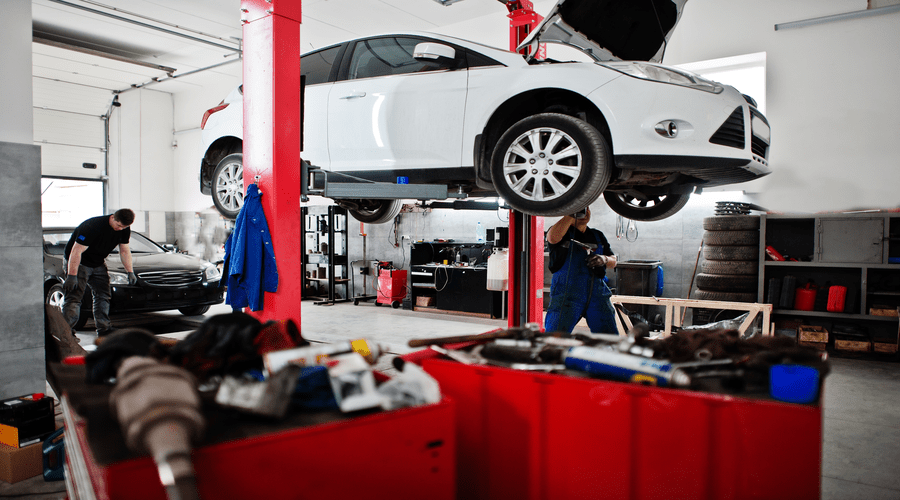
The transmission is one of the most critical components of any vehicle, responsible for transferring power from the engine to the wheels efficiently. Over time, wear and tear, heavy traffic, and Dubai’s extreme heat can lead to transmission issues, affecting both performance and fuel efficiency. Understanding the step-by-step process of professional transmission repair can help drivers make informed decisions and ensure their vehicles remain reliable. At Abu Hashim Garage, we follow a thorough and structured approach to deliver the Best Transmission Repair Service in Dubai.
Step 1: Initial Inspection and Diagnosis
The first step in professional transmission repair is a comprehensive inspection and diagnosis. Technicians look for visible signs of damage such as fluid leaks, worn seals, or unusual wear on external components. They also conduct road tests to detect issues like:
- Slipping gears
- Delayed or rough shifting
- Unusual noises during acceleration or deceleration
Modern garages, including Abu Hashim Garage, use advanced diagnostic tools to read error codes from the vehicle’s onboard computer. This helps identify problems like sensor failures or electronic control issues in automatic transmissions.
Step 2: Transmission Fluid Check and Analysis
Transmission fluid is essential for lubrication, cooling, and smooth gear operation. During this step, professionals check the fluid level, color, and consistency. Dark, burnt, or contaminated fluid indicates overheating or internal wear, which can significantly impact performance.
What happens next: If fluid replacement is necessary, the old fluid is drained and analyzed for metal shavings or debris. This analysis helps determine the extent of internal wear and guides the repair process.
Step 3: Disassembly of Transmission Components
Once the problem is identified, the transmission is carefully removed from the vehicle and disassembled. Technicians inspect critical components, including:
- Gears and shafts
- Clutch packs (manual or automatic)
- Torque converters (for automatic transmissions)
- Seals, gaskets, and bearings
During this process, worn or damaged parts are identified for repair or replacement. Precision and expertise are vital to avoid causing additional damage during disassembly.
Step 4: Cleaning and Component Inspection
After disassembly, all parts are thoroughly cleaned using specialized solutions to remove debris, old fluid, and contaminants. This step ensures that each component is inspected accurately. Technicians look for cracks, wear, or misalignment that could compromise transmission performance.
At Abu Hashim Garage, this step is critical because it allows our experts to detect hidden issues that could otherwise lead to repeated failures or costly repairs.
Step 5: Repair or Replacement of Damaged Parts
Based on the inspection, technicians either repair or replace damaged components. Common replacements include:
- Worn gears or synchronizers
- Faulty solenoids or valve bodies in automatic transmissions
- Clutch plates and bearings
- Seals and gaskets to prevent fluid leaks
High-quality replacement parts are used to ensure durability and restore the transmission to factory-level performance.
Step 6: Reassembly and Testing
After repairs, the transmission is carefully reassembled, making sure all components are correctly aligned and properly lubricated. The system is then tested off the vehicle to ensure smooth operation, proper gear engagement, and absence of leaks or unusual noises.
Reassembly requires precision and attention to detail. A minor misalignment or loose component can lead to repeated issues, so professional expertise is crucial at this stage.
Step 7: Reinstallation and Final Inspection
Once the transmission passes off-vehicle testing, it is reinstalled in the car. Technicians refill it with the correct type and amount of transmission fluid and conduct a final inspection, which includes:
- Road testing to ensure smooth gear shifts
- Checking for unusual noises or vibrations
- Confirming optimal fluid pressure and temperature
This step guarantees that the repaired transmission performs efficiently and reliably under real-world conditions.
Step 8: Preventive Maintenance Advice
A professional transmission repair doesn’t end with reinstallation. Technicians provide drivers with guidance on preventive maintenance, such as:
- Regular transmission fluid checks
- Scheduled servicing based on mileage
- Driving habits that reduce strain on the transmission
- Monitoring dashboard warning lights
Following this advice helps prevent future problems and extends the life of the transmission.
Conclusion
Professional transmission repair is a detailed, step-by-step process that requires expertise, precision, and the right tools. From initial inspection and fluid analysis to component repair, reassembly, and final testing, each step plays a crucial role in restoring vehicle performance and reliability. At Abu Hashim Garage, our experienced technicians ensure that every repair is conducted with care and attention to detail, providing peace of mind for drivers in Dubai. For those seeking reliable, efficient, and expert service, we offer the Best Transmission Repair Service in Dubai, keeping your car running smoothly and efficiently for years to come.