Harvest Cannabis: From Cultivation to Compliance in a Modern Regulated Market
The phrase harvest cannabis carries far more meaning today than it did a decade ago. What was once considered a simple agricultural task has now evolved into a carefully monitored and highly regulated process. Across legal markets, harvesting is no longer just about cutting plants at maturity. It is about precision, timing, safety, documentation, and accountability. Every decision made during harvest influences the final product that reaches consumers, from its aroma and potency to its safety and shelf life.
In modern cannabis operations, harvesting marks the turning point between cultivation and commercial readiness. It represents the culmination of months of planning, monitoring, and nurturing. Growers do not simply wait for plants to mature; they observe them closely, track environmental conditions, and prepare facilities to ensure that the harvest meets strict regulatory standards.
Understanding the True Meaning of Harvest Cannabis
Harvesting cannabis refers to the stage when mature plants are cut, trimmed, and prepared for drying and curing. However, this short definition does not capture the complexity behind the process. In licensed facilities, harvest day is coordinated like a well-organized production event. Teams are assigned specific responsibilities, equipment is sanitized in advance, and compliance officers ensure that documentation is accurate.
Timing is everything. Harvesting too early can result in lower cannabinoid content and underdeveloped terpene profiles. Waiting too long may reduce product quality and alter the intended effects. Cultivators analyze trichomes, monitor plant health, and review growth data before deciding on the right moment. This attention to detail ensures that the plant’s chemical composition aligns with its intended market category.
The Role of Trichomes in Determining Harvest Time
Observing Plant Maturity
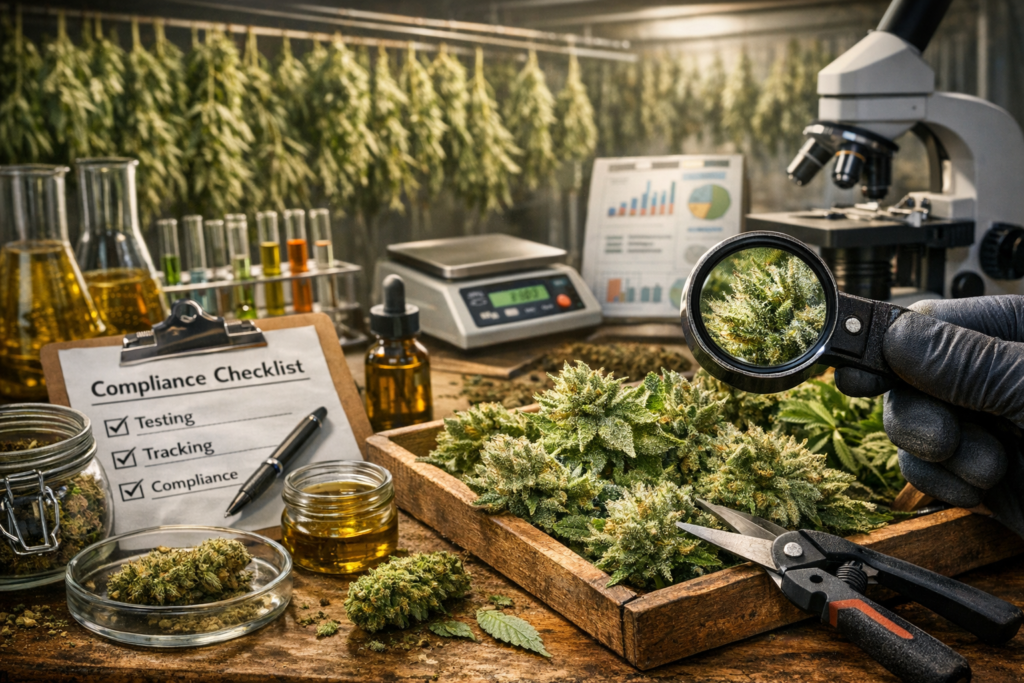
Trichomes are tiny, crystal-like structures that form on cannabis flowers. They contain cannabinoids and aromatic compounds that define the product’s character. Growers inspect these trichomes using magnification tools to determine maturity. When trichomes shift from clear to milky white and eventually amber, it signals changes in chemical composition.
This observation is not guesswork. It requires experience and understanding of plant biology. Skilled cultivators know how environmental factors such as temperature and humidity influence maturation. They combine visual inspection with cultivation records to decide the ideal harvest window.
Environmental Stability Before Cutting
Environmental conditions must remain consistent during the final days before harvest. Sudden fluctuations in temperature or humidity can stress plants and impact quality. Indoor facilities rely on advanced climate control systems to maintain balance. Outdoor growers monitor weather forecasts and adjust plans if unexpected rain or extreme heat threatens the crop.
Maintaining stability ensures that plants remain healthy until the moment they are cut. It also reduces the risk of mold or contamination, which can disqualify batches from entering the market.
Harvest Day Operations in Licensed Facilities
Harvest day in a regulated environment involves coordination between cultivation staff, quality control teams, and compliance officers. Workers typically wear protective clothing such as gloves, hairnets, and lab coats. These precautions help prevent contamination and preserve product integrity.
Cut plants are carefully labeled to maintain traceability. Each batch receives a unique identifier that follows it through drying, curing, testing, and packaging. This documentation allows regulators to track products from seed to sale. Transparency is not optional; it is required by law in most legal markets.
Sanitation and Clean Handling Practices
Cleanliness is central to modern cannabis harvesting. Surfaces are disinfected before and after use. Tools are sanitized to prevent cross-contamination between batches. Plant material is never placed directly on the floor. Instead, it is kept on clean racks or suspended in controlled drying rooms.
These practices protect both product quality and consumer safety. Microbial contamination can result in failed laboratory tests, leading to financial losses and reputational damage. For that reason, strict sanitation protocols are enforced at every step.
Drying and Curing After Harvest
The Importance of Controlled Drying
Drying begins immediately after plants are cut. During this phase, excess moisture is slowly removed to prevent mold growth while preserving cannabinoids and terpenes. Rooms are typically maintained at specific temperature and humidity levels to create ideal conditions.
If drying happens too quickly, the outer layers of the plant may become brittle while moisture remains trapped inside. If it happens too slowly, mold risk increases. Skilled teams monitor environmental readings daily and adjust airflow as needed.
The Art of Curing
Curing follows drying and allows the product to stabilize. Flowers are placed in containers that permit controlled airflow. Over time, this process enhances flavor, smoothness, and overall quality. Proper curing can significantly improve the consumer experience, making it a crucial stage rather than an afterthought.
This period may last several weeks depending on the desired outcome. Patience during curing reflects a commitment to quality over speed.
Compliance and Regulatory Oversight
Modern harvest cannabis operations operate under detailed regulatory frameworks. Government authorities require accurate reporting of harvest weights, waste disposal, and laboratory submissions. Every gram must be accounted for.
Testing laboratories analyze samples for potency, microbial contamination, heavy metals, pesticides, and residual solvents. Only batches that pass all required tests can proceed to retail distribution. Failed batches may need remediation or destruction depending on the issue.
Compliance is not simply a bureaucratic requirement. It builds trust between producers, regulators, and consumers. Clear documentation ensures that products entering the market meet established safety standards.
Worker Training and Safety
Harvest teams must be trained not only in cutting and trimming techniques but also in hygiene and safety procedures. Repetitive tasks such as trimming require ergonomic awareness to prevent strain injuries. Facilities often provide training sessions to improve efficiency while protecting worker well-being.
Proper ventilation systems help reduce exposure to airborne particles. Emergency procedures are clearly displayed, and supervisors monitor workflow to ensure guidelines are followed. This professional approach highlights how far the industry has progressed from informal practices of the past.
Technology in Modern Cannabis Harvesting
Digital Tracking Systems
Seed-to-sale software platforms allow businesses to record every stage of production. When harvest begins, data is entered into secure systems that regulators can access. This digital trail reduces errors and strengthens accountability.
Technology also assists in forecasting yields and planning distribution. Historical data helps cultivators refine future harvest schedules and improve resource management.
Advanced Trimming Equipment
While some premium products are hand-trimmed to preserve delicate structures, many facilities use automated trimming machines for efficiency. These machines are calibrated to maintain consistency without damaging the flower. Operators inspect output regularly to ensure quality standards remain intact.
Balancing automation with craftsmanship allows producers to meet market demand while maintaining product integrity.
Sustainability Considerations
As the cannabis industry matures, sustainability has become an important discussion. Harvest processes generate plant waste such as stems and leaves. Responsible operators compost organic waste or repurpose it for extraction when permitted by regulations.
Energy consumption during drying and curing is also under review in many regions. Facilities are investing in energy-efficient climate systems and exploring renewable energy options to reduce environmental impact.
Market Expectations and Consumer Trust
Consumers in legal markets expect transparency. Labels must accurately reflect cannabinoid content and batch numbers. Any discrepancy between advertised potency and laboratory results can damage brand reputation.
Because harvest quality influences every stage that follows, it directly impacts consumer satisfaction. Aroma, texture, and effect are all shaped by decisions made during harvest and post-harvest handling.
Challenges Facing the Harvest Stage
Despite technological advancements, challenges remain. Labor shortages during peak harvest seasons can create pressure. Environmental risks such as unexpected humidity spikes or equipment failures may threaten entire batches. Regulatory updates may require operational adjustments with little notice.
Successful operators prepare contingency plans. Backup climate systems, trained reserve staff, and detailed standard operating procedures reduce the risk of disruption.
Looking Ahead: The Future of Harvest Cannabis
The future of cannabis harvesting is likely to involve greater automation, improved environmental controls, and even stricter quality standards. As research continues, cultivators will better understand how harvest timing influences specific cannabinoid and terpene expressions.
Innovation will not replace human judgment but will support it. Experienced growers will continue to play a vital role in evaluating plant readiness and maintaining quality. Technology will serve as a tool rather than a substitute for expertise.
Conclusion
Harvest cannabis is no longer a simple act of cutting mature plants. It represents a carefully structured phase that connects cultivation to consumer use. From precise timing and sanitation to compliance documentation and laboratory testing, each step reflects the professionalism of the modern cannabis industry.
As regulations evolve and consumer expectations grow, harvesting practices will continue to improve. What remains constant is the importance of care, transparency, and attention to detail. When executed correctly, the harvest stage preserves months of effort and transforms cultivated plants into safe, consistent, and market-ready products.