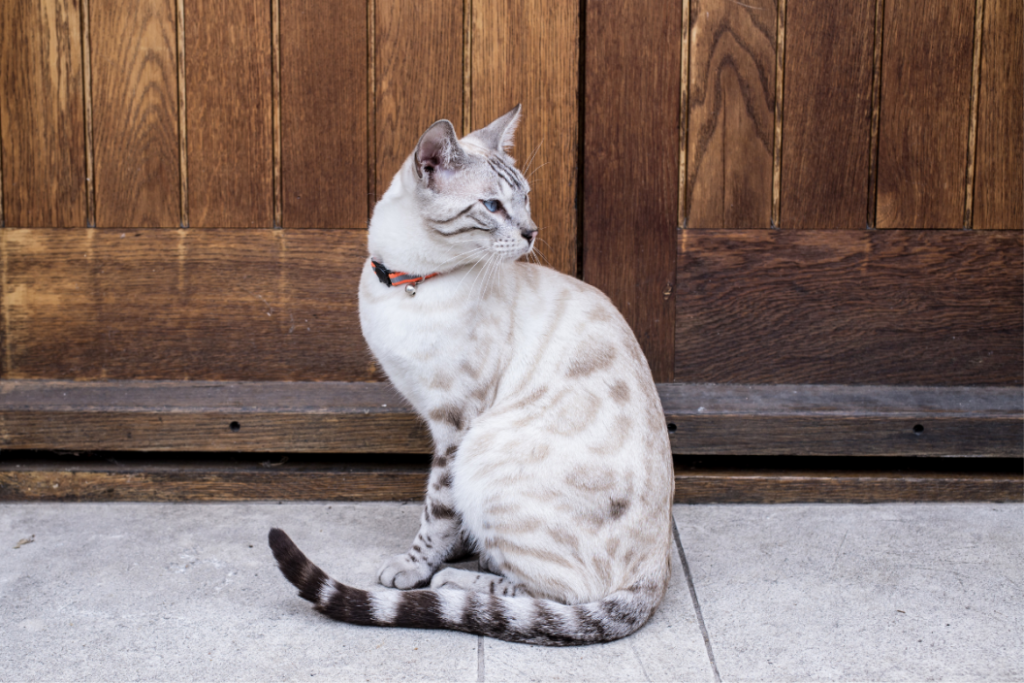
When you bring a new kitten into your home, you’re looking forward to years of high-speed chases and affectionate head-butts. While the Bengal breed is known for its incredible athleticism, there is one invisible health concern that every owner should have on their radar: Hypertrophic Cardiomyopathy (HCM).
Understanding this condition is the first step in ensuring your “indoor leopard” stays healthy and active for a long time.
What Exactly is HCM?
HCM is the most common form of heart disease in cats. It causes the walls of the heart—specifically the left ventricle—to thicken over time. As the heart muscle becomes thicker, it becomes less efficient at pumping blood, which can eventually lead to heart failure or blood clots.
In many cases, HCM is a silent condition. Cats are masters at hiding discomfort, and a Bengal might seem perfectly fine until the disease has progressed significantly. This is why being proactive is so important for those looking to bring home bengal kittens phoenix, as early detection is the key to management.
The Importance of Screening
Because HCM is believed to have a strong genetic component in Bengals, the responsibility starts with the breeder.
-
Annual Scans: Reputable breeders perform annual echocardiograms (heart ultrasounds) on their breeding cats. A “clear” scan for a parent cat is the best way to reduce the risk for the kittens.
-
Proactive Vet Visits: Once a kitten is in your home, regular veterinary check-ups are essential. While a vet might not always hear a heart murmur in a cat with HCM, any unusual sound is a sign that a follow-up with a veterinary cardiologist is needed.
Signs to Watch For
While many cats show no symptoms in the early stages, there are subtle “red flags” that should prompt an immediate vet visit:
-
Lethargy: A sudden drop in their usual high energy levels.
-
Labored Breathing: Breathing with an open mouth or appearing to pant after minimal exercise.
-
Fainting or Collapse: This is an emergency sign that the heart is struggling to keep up.
-
Sudden Weakness in Back Legs: This can be a sign of a “saddle thrombus” (a blood clot), which is a serious complication of heart disease.
Managing a Heart-Healthy Bengal
If a cat is diagnosed with HCM, it is not a “game over” situation. Many cats live for several years with the condition if it is managed properly.
-
Medication: Beta-blockers or other heart medications can help the heart relax and pump more effectively.
-
Low-Stress Environment: Keeping life calm and predictable helps reduce the strain on the heart.
-
Diet: A high-quality diet that maintains a healthy weight is vital, as obesity puts extra pressure on the cardiovascular system.
The most powerful tool an owner has is knowledge. By asking for heart-clearance records from your breeder and staying consistent with vet visits, you can give your Bengal the best chance at a long, vibrant life.