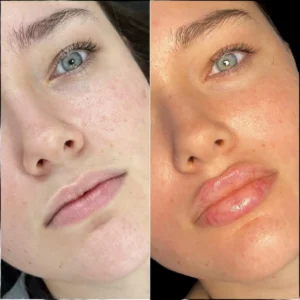
Acne scars are a common skin concern that can affect self-confidence and overall skin texture. While there are numerous treatment options available, Microneedling for Acne Scars in Dubai has emerged as a highly effective solution, offering minimal downtime and natural-looking results. Among the various factors that influence its effectiveness, needling depth plays a pivotal role in determining the outcome of acne scar treatments.
Understanding Microneedling for Acne Scars
Microneedling, also known as collagen induction therapy, involves the use of fine needles to create controlled micro-injuries in the skin. These micro-injuries stimulate the skin’s natural healing process, promoting collagen and elastin production. Over time, this can smooth out irregularities, improve skin texture, and reduce the appearance of scars.
While the technique is generally safe for most skin types, the depth at which the needles penetrate is critical to achieving optimal results. Shallow needling may yield subtle improvements, while deeper penetration can target more pronounced scars but requires careful technique to avoid complications.

How Needling Depth Influences Scar Treatment
1. Shallow Needling (0.25–0.5 mm)
Shallow needling primarily targets the upper layers of the skin, such as the epidermis and superficial dermis. This depth is often used for:
-
Enhancing skin texture
-
Treating fine lines or minor post-acne discoloration
-
Improving product absorption
For individuals with mild acne scars, shallow needling can be effective in stimulating collagen production in the upper dermis. However, its impact on deeper, pitted scars is limited. This depth is also associated with minimal discomfort and reduced recovery time, making it a popular choice for beginners or those with sensitive skin.
2. Medium Needling (0.5–1.5 mm)
Medium-depth needling penetrates deeper into the dermis, reaching the areas where acne scars are more pronounced. This depth is particularly effective for:
-
Rolling scars
-
Shallow boxcar scars
-
General skin rejuvenation
By targeting the dermal layer where collagen fibers are more abundant, medium needling triggers a stronger healing response, leading to thicker, more resilient skin. Treatments at this depth often require topical numbing agents to minimize discomfort, but they strike a balance between effectiveness and safety.
3. Deep Needling (1.5–3 mm)
Deep needling is typically reserved for severe acne scars, including deep boxcar or icepick scars. By penetrating the deeper layers of the dermis, this approach can significantly remodel scar tissue and stimulate robust collagen production.
While highly effective, deep microneedling comes with increased risks:
-
Greater discomfort during treatment
-
Longer recovery periods
-
Higher potential for redness and minor bleeding
Because of these considerations, deep needling should only be performed by experienced professionals who can adjust needle depth according to the type and severity of the scars.
Factors Determining Optimal Needle Depth
Choosing the appropriate needle depth is not a one-size-fits-all approach. Several factors influence the ideal penetration level for effective acne scar treatment:
-
Scar Type: Rolling scars respond well to medium-depth microneedling, while deep icepick scars may require deeper penetration.
-
Skin Thickness: Thicker skin can tolerate deeper needle penetration, while thinner areas may require more conservative treatment.
-
Treatment Goals: Superficial improvements may only need shallow needling, whereas noticeable texture remodeling demands deeper penetration.
-
Frequency of Sessions: Deeper needling often necessitates longer intervals between treatments to allow full skin recovery.
Combining Microneedling with Adjunct Therapies
To maximize results, microneedling is sometimes combined with other therapies such as:
-
Topical serums: Vitamin C or hyaluronic acid can penetrate more effectively through micro-channels created by needling.
-
PRP (Platelet-Rich Plasma): Enhances healing and accelerates collagen formation.
-
Chemical Peels or Laser Treatments: May be used in tandem to target discoloration or deeper dermal scars.
These combinations can be customized based on scar severity and skin type, further enhancing the results of microneedling.
Safety Considerations
While microneedling is generally safe, the risk of side effects increases with needle depth. Common side effects include:
-
Temporary redness or swelling
-
Mild discomfort during treatment
-
Minor pinpoint bleeding
It is essential to ensure that the procedure is performed under hygienic conditions with professional-grade equipment to minimize complications. Individuals with active acne, skin infections, or certain skin conditions should consult a professional before undergoing treatment.
Expected Results and Recovery
Recovery time varies depending on the depth of microneedling:
-
Shallow: 1–2 days of mild redness
-
Medium: 3–5 days of redness and possible slight swelling
-
Deep: Up to a week, with noticeable skin rejuvenation afterward
Visible improvements typically appear gradually, as new collagen forms over several weeks. Multiple sessions are often recommended for optimal results, with intervals tailored to skin healing.
Conclusion
The depth of microneedling plays a crucial role in the effectiveness of acne scar treatments. Shallow needling suits minor surface-level issues, medium-depth targets more pronounced scarring, and deep needling addresses severe acne scars. Understanding these distinctions allows individuals to achieve more predictable and satisfying outcomes.
For those seeking effective solutions, microneedling for acne scars in Dubai offers a customizable approach to tackle scarring while enhancing overall skin health. By selecting the appropriate needle depth and following a professional treatment plan, patients can experience smoother, revitalized skin and renewed confidence.