Landscaping work looks simple from far away. Just dirt, trees, some grading. Then you get on-site and it’s a mess. Roots tangled everywhere, rocks hiding under the soil, uneven ground that refuses to behave. That’s where the right attachment changes everything. Not in a flashy way. More like… suddenly things stop fighting you.
A lot of contractors figure this out once they start using a mini excavator rake attachment. It’s not the first tool people think about, but once it’s on the machine, you start noticing how many jobs get easier. Faster too. Less back-and-forth, less switching tools every ten minutes.
Why a Rake Attachment Changes the Game
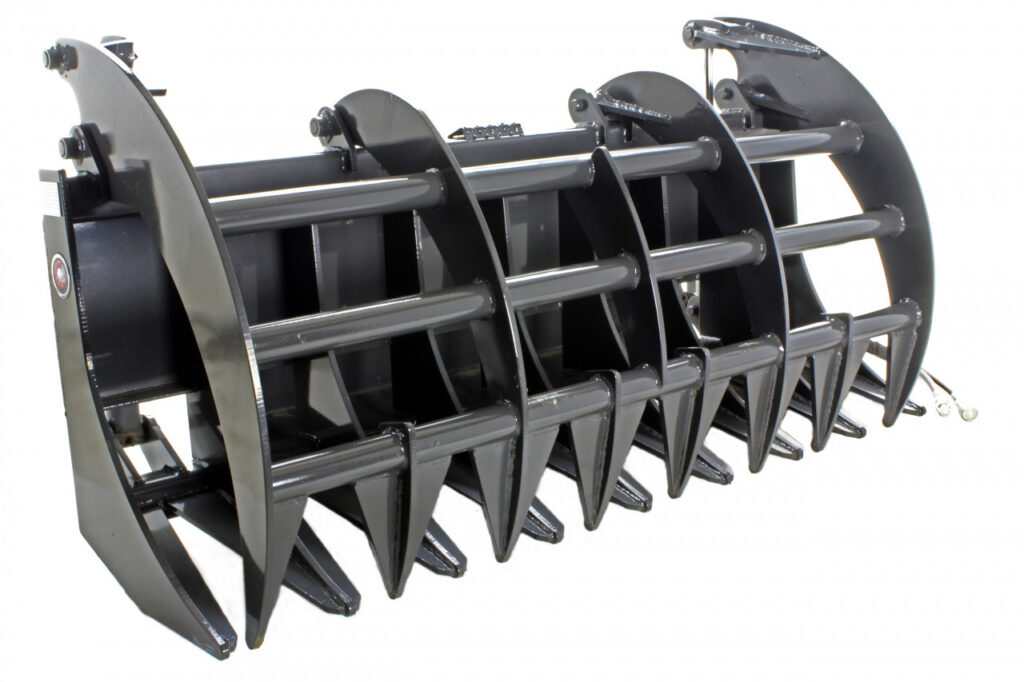
There’s something about the design that just works. Wide teeth, open spacing, lets soil fall through while grabbing the junk you don’t want. Roots, debris, rocks, all that annoying stuff.
You’re not digging blindly like with a bucket. You’re sorting while you work. That’s the difference. And yeah, you can try doing the same with a standard bucket. People do it all the time. But it’s slower. Messier. You end up picking through piles afterward, which honestly feels like doing the same job twice.
Clearing Land Without Losing Your Mind
This is where the rake really earns its keep. Land clearing is rarely clean. It’s brush, small stumps, tangled roots, random debris buried halfway down. A rake attachment lets you pull everything up while leaving most of the soil behind.
You drag, lift, shake. Done. Instead of hauling full buckets of dirt mixed with junk, you’re just moving what matters. Saves time. Saves fuel. Less strain on the machine too, which people don’t always think about.
For contractors working tight schedules, this matters more than anything. You don’t want to spend half a day cleaning what could’ve been handled in a couple passes.
Root Removal That Actually Works
Roots are stubborn. They don’t come out clean, and they don’t come out easy. With a rake, you can comb through the soil and pull them up without digging massive holes. That’s the key. You’re not destroying the entire area just to remove a few root systems.
It’s controlled. More precise. And if you’re prepping land for turf or planting, that precision matters. Nobody wants roots growing back under fresh work. Happens more than it should, mostly because they weren’t fully removed the first time.
Rock Sorting Becomes… Manageable
Not fun. Just manageable. Rocks are another headache, especially on larger sites or rural jobs. With a rake, you can sift soil and leave the rocks behind. Bigger ones get trapped between the tines, smaller ones surface as you work.
It’s not perfect, nothing is. But it’s a huge step up from scooping blindly with a mini excavator bucket and hoping for the best. You end up with cleaner soil, which means better grading, better compaction, better results overall. It all connects.
Final Grading Without the Frustration
Fine grading is where a lot of jobs slow down. Getting that smooth, even finish takes time, especially if you’re switching between tools.
A rake attachment helps here more than people expect. You can level surfaces, spread material, and remove debris in one go. It’s not just rough work. With the right operator, it gets surprisingly clean.
And because you’re not carrying excess soil like you would with a bucket, control improves. Small adjustments actually feel… small. That’s not always the case with heavier attachments.
Debris Cleanup Gets Faster
After a job, there’s always cleanup. Piles of branches, leftover roots, random material scattered across the site. The rake turns cleanup into a quick pass instead of a long chore.
You gather, drag, stack. Done. It’s simple, but it saves real time. Especially on commercial jobs where cleanup isn’t optional, it’s expected. Clients notice messy sites. They remember clean ones.
Working Around Existing Landscapes
Not every job is a blank slate. Sometimes you’re working around existing features. Trees you can’t damage, structures nearby, finished areas that need to stay intact.
A rake attachment gives you more control in those situations. You’re not digging deep unless you want to. You’re skimming, pulling, adjusting. It’s lighter work, but more precise. That’s useful for landscapers doing upgrades or partial redesigns. You don’t always want to tear everything apart just to fix one section.
When You Still Need a Bucket
Let’s be real, the rake isn’t replacing everything. There are times when a mini excavator bucket is still the better tool. Deep digging, trenching, moving large volumes of soil. That’s bucket territory.
But here’s the thing. Most landscaping jobs aren’t just one type of task. They’re mixed. Dig a bit, clear a bit, grade a bit. Switching between a rake and a bucket makes more sense than forcing one tool to do everything poorly.
Why Contractors Are Adding This Attachment
It comes down to efficiency. Always does. Contractors, landscapers, even farm operators are under pressure to move faster without cutting corners. Labor isn’t cheap. Time isn’t either.
Attachments like the ones from Spartan Equipment are built with that in mind. Durable, straightforward, no unnecessary complications. Just tools that work when you need them to.
And once you’ve used a rake attachment on a few jobs, it’s hard to go back. You start noticing where you were wasting time before. It’s obvious in hindsight.
Conclusion
A mini excavator on its own is already a versatile machine. Add the right attachment, and it becomes something else entirely.
The rake attachment doesn’t look like much at first. No moving parts, nothing flashy. But it changes how you approach landscaping work. Makes clearing faster, grading smoother, cleanup easier. Less frustration overall.
Pair it with a mini excavator bucket when needed, and you’ve got a setup that covers almost everything a typical job throws at you. Not saying it replaces skill. It doesn’t. But it makes the work feel… more manageable. And in this line of work, that counts for a lot.