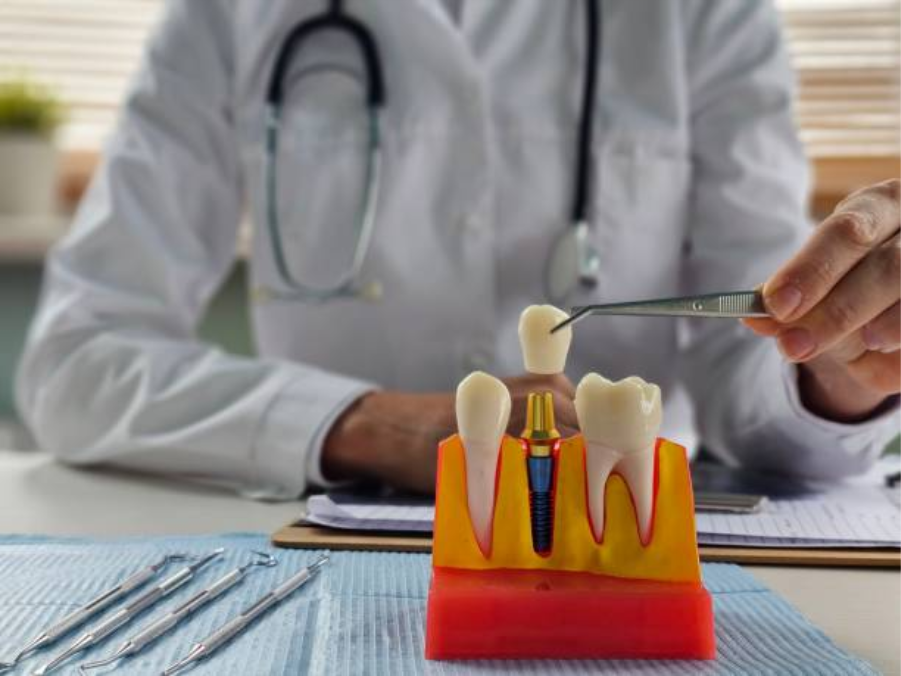
Dental technology is changing fast, making treatments quicker and more precise than ever before. This 3D printed dental implant guide explains how modern tools are improving the way dental implants are planned and placed. It focuses on how 3D printing helps create accurate guides for better results and fewer errors during procedures. Understanding this process is important for both patients and professionals who want safer and more reliable outcomes. In this article, you will learn what 3D printed implant guides are, how they work, their key benefits, and why they are becoming a popular choice in modern dentistry.
What Is a 3D Printed Dental Implant Guide?
Definition and Basic Concept
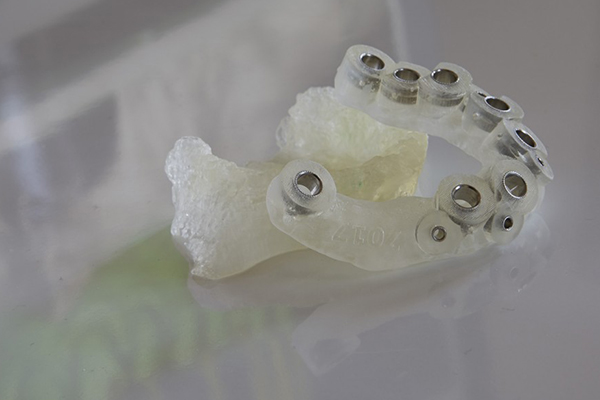
A 3D printed dental implant guide is a custom-made tool used by dentists to place dental implants in the correct position. It is designed using digital scans of a patient’s mouth and then created using advanced 3D printing technology. The guide fits over the patient’s teeth or gums and shows the exact location, angle, and depth for implant placement.
This approach helps reduce guesswork during surgery. Instead of relying only on experience, dentists use precise data to guide their work. As a result, the procedure becomes more predictable and accurate for both the dentist and the patient.
How It Differs from Traditional Methods
Traditional dental implant procedures often rely on manual measurements and the dentist’s judgment during surgery. While skilled professionals can achieve good results, there is always a chance of slight errors in placement.
In contrast, a 3D printed dental implant guide is created before the procedure using digital planning tools. This allows the dentist to simulate the entire process in advance. The guide then acts as a physical roadmap during surgery. This difference improves consistency, reduces risks, and ensures implants are placed exactly where planned.
Why It Is Becoming Popular
The use of a 3D printed dental implant guide is growing because it offers better outcomes and a smoother experience for patients. People today prefer treatments that are faster, safer, and less painful.
Dentists also benefit from improved efficiency and confidence during procedures. With digital planning and accurate guides, surgeries can be completed more quickly. As technology becomes more affordable and accessible, more clinics are adopting this method, making it a popular choice in modern dentistry.
How a 3D Printed Dental Implant Guide Works
Step-by-Step Design Process
The process of creating a 3D printed dental implant guide starts with collecting detailed data about the patient’s mouth. Dentists use specialized software to plan the exact position of the implant based on bone structure and alignment.
Once the plan is finalized, a digital model of the guide is created. This model includes precise openings that direct the surgical tools. After reviewing the design, it is sent to a 3D printer to produce the final guide. This step-by-step approach ensures accuracy before the procedure even begins.
Role of Digital Scans and Imaging
Digital scans and imaging play a crucial role in designing a 3D printed dental implant guide. Tools like intraoral scanners and 3D imaging provide detailed views of teeth, gums, and bone structure.
These images help dentists understand the patient’s unique anatomy. They also allow for better planning by identifying important areas like nerves and bone density. With accurate digital data, the guide can be designed to fit perfectly, reducing the chances of errors during implant placement.
Guide Creation Using 3D Printing Technology
Once the design is ready, 3D printing technology is used to create the physical guide. Special materials are used to ensure the guide is safe, durable, and comfortable for use in the mouth.
The printer builds the guide layer by layer, following the digital design exactly. This process ensures high precision and consistency. The final guide is then cleaned, sterilized, and prepared for use during surgery, making it a reliable tool for modern dental procedures.
Benefits of Using a 3D Printed Dental Implant Guide
Improved Accuracy and Precision
One of the biggest advantages of a 3D printed dental implant guide is its accuracy. The guide is designed using exact measurements from digital scans, which helps dentists place implants in the correct position every time.
This level of precision reduces the risk of complications and improves the overall success rate of the procedure. It also ensures better alignment with surrounding teeth, leading to a more natural look and feel for the patient.
Faster Treatment Time
Using a 3D printed dental implant guide can significantly reduce the time needed for surgery. Since the procedure is planned in advance, dentists can work more efficiently during the actual treatment.
Patients also benefit from shorter chair time and fewer appointments. In some cases, the entire process can be completed in fewer visits compared to traditional methods. This makes it a convenient option for people with busy schedules.
Enhanced Patient Comfort and Safety
A 3D printed dental implant guide helps make the procedure more comfortable and safe for patients. The precise placement reduces the need for large incisions, which means less pain and quicker healing.
It also lowers the risk of damaging nearby structures such as nerves or sinuses. Patients often experience less swelling and discomfort after the procedure, making recovery smoother and more manageable.
Applications of the 3D Printed Dental Implant Guide
Single Tooth Replacement
A 3D printed dental implant guide is commonly used for replacing a single missing tooth. It helps ensure the implant is placed in the exact position needed for proper function and appearance.
This is especially important for visible areas like the front teeth, where alignment matters most. The guide allows dentists to achieve a natural look while maintaining proper spacing and bite alignment.
Full Mouth Restoration Cases
In full mouth restoration, multiple implants are placed to support a complete set of teeth. A 3D printed dental implant guide plays a key role in planning and executing such complex procedures.
It helps ensure that all implants are evenly spaced and properly aligned. This improves the stability and durability of the final restoration. Patients benefit from better function, comfort, and long-term results.
Complex Dental Surgeries
For complex cases involving bone loss or unusual anatomy, a 3D printed dental implant guide provides added support and accuracy. It allows dentists to carefully plan each step of the procedure.
This is especially useful in challenging situations where precision is critical. The guide helps reduce risks and improves the chances of successful outcomes, even in difficult cases.
Who Should Consider a 3D Printed Dental Implant Guide?
Ideal Candidates for the Procedure
Patients who need dental implants and want a more accurate and efficient procedure are ideal candidates for a 3D printed dental implant guide. It is suitable for those with good oral health and enough bone structure to support implants.
People who prefer minimally invasive treatments and faster recovery times may also benefit from this approach. It offers a more comfortable experience compared to traditional methods.
Dentist and Specialist Use Cases
Dentists and specialists use a 3D printed dental implant guide to improve the quality of their work. It is especially useful for professionals handling complex or multiple implant cases.
The guide helps standardize procedures and reduces reliance on manual judgment. This makes it a valuable tool for both experienced dentists and those looking to enhance their precision and efficiency.
Situations Where It May Not Be Suitable
While a 3D printed dental implant guide is helpful in many cases, it may not be suitable for everyone. Patients with severe bone loss or certain medical conditions may require alternative treatments.
In some cases, additional procedures like bone grafting may be needed before using a guide. A thorough evaluation by a dentist is important to determine the best approach for each patient.
Cost and Factors Affecting a 3D Printed Dental Implant Guide
Key Cost Components
The cost of a 3D printed dental implant guide includes several components such as digital scans, software planning, and the actual 3D printing process. Each step requires specialized equipment and expertise.
Additional costs may include consultation fees and materials used during the procedure. Understanding these components helps patients see the value behind the overall cost.
Comparison with Traditional Implant Methods
Compared to traditional methods, a 3D printed dental implant guide may have a slightly higher upfront cost due to advanced technology. However, it often reduces the need for additional procedures or corrections.
This can save money in the long run. The improved accuracy and shorter treatment time also add value, making it a cost-effective option for many patients.
Factors That Influence Pricing
Several factors can affect the price of a 3D printed dental implant guide. These include the complexity of the case, the number of implants needed, and the type of materials used.
Location and the experience of the dental professional can also impact costs. Patients should discuss all these factors with their dentist to get a clear understanding of the total expense.
Future Trends in 3D Printed Dental Implant Guide Technology
Advancements in Materials and Design
The future of the 3D printed dental implant guide looks promising with ongoing improvements in materials and design. New materials are being developed to make guides stronger, safer, and more comfortable.
Design software is also becoming more advanced, allowing for even greater precision. These improvements will continue to enhance the quality and reliability of dental implant procedures.
Integration with AI and Digital Dentistry
Artificial intelligence is playing a growing role in dental care. In the future, AI may help design a 3D printed dental implant guide more quickly and accurately by analyzing patient data.
This integration can improve planning and reduce human error. Combined with digital dentistry tools, it will make implant procedures more efficient and personalized for each patient.
What Patients Can Expect in the Coming Years
Patients can expect faster, safer, and more affordable treatments as technology continues to evolve. The use of a 3D printed dental implant guide will likely become more common in dental clinics worldwide.
With better tools and techniques, procedures will become less invasive and more comfortable. This means improved experiences and better long-term results for patients seeking dental implants.
Conclusion
A 3D printed dental implant guide is transforming how modern dental procedures are planned and performed. Combining digital scans, precise design, and advanced printing technology, it helps improve accuracy, reduce surgery time, and enhance patient comfort. This method also supports better outcomes with fewer complications compared to traditional approaches. As technology continues to evolve, more dental professionals are adopting these guides for safer and more efficient treatments. Choosing this innovative solution can lead to better long-term results, making it a smart option for both dentists and patients looking for reliable dental care.
Q1: What is a 3D printed dental implant guide?
A 3D printed dental implant guide is a custom-made tool used by dentists to place implants accurately. It is designed using digital scans of your mouth. This guide helps ensure precise positioning, reducing errors and improving the success rate of dental implant procedures.
Q2: How does a 3D printed dental implant guide work?
A 3D printed dental implant guide works by using digital imaging and planning software. Dentists create a virtual model of your teeth and jaw, then print a guide that fits your mouth. This guide directs the implant placement exactly where it is needed.
Q3: Why is a 3D printed dental implant guide important?
A 3D printed dental implant guide improves accuracy and safety during surgery. It helps reduce surgery time and lowers the risk of complications. Patients also experience faster healing and better results compared to traditional implant methods without guided placement.
Q4: What are the main benefits of using a 3D printed guide?
The main benefits include higher precision, shorter procedure time, and less discomfort. It also allows for better planning before surgery. Patients often see improved outcomes, fewer errors, and a smoother recovery process when this advanced technology is used.
Q5: How much does a 3D printed dental implant guide cost?
The cost of a 3D printed dental implant guide can vary depending on the clinic and the complexity of the case. It may add to the overall implant cost, but many patients find it worthwhile due to improved accuracy, reduced risks, and long-term benefits.