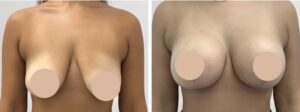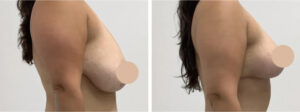
When considering Breast Reduction in Abu Dhabi, many women wonder about the potential for scarring after the procedure. It’s a common concern, especially for those who want to achieve a more proportional and comfortable breast size without compromising their appearance. Understanding what to expect regarding scars can help women make informed decisions and feel more confident about their choices.
Understanding Breast Reduction Surgery
Breast reduction surgery, also known as reduction mammaplasty, involves removing excess breast tissue, fat, and skin to create a breast size that is more in harmony with the body. The procedure also aims to alleviate discomfort caused by overly large breasts. In Breast Reduction in Abu Dhabi, surgeons typically tailor the technique to suit each woman’s unique anatomy and aesthetic goals.
Types of Surgical Techniques and Incision Patterns
Different techniques are used in breast reduction surgeries, each involving specific incision patterns that influence scarring. The most common techniques include:
- Anchor Incision: This traditional method involves three incisions—around the areola, vertically down to the breast crease, and along the inframammary fold. It allows for significant tissue removal and reshaping but results in more noticeable scars.
- Lollipop Incision: Similar to the anchor but with fewer incisions, this technique involves an around-the-areola incision and a vertical incision down to the breast fold. It offers effective reshaping with moderate scarring.
- Scarless or Minimal Scar Techniques: Some surgeons may use less invasive approaches, such as liposuction or smaller incisions, which tend to leave minimal scars. However, these methods are suitable only for certain cases with mild excess tissue.
The Nature of Scars Post-Surgery
Scars are an inevitable part of breast reduction surgery because of the incisions made to remove tissue. However, advances in surgical techniques and post-operative care have significantly improved the appearance of scars over time. Many women notice that scars fade considerably within a year after the procedure, becoming less prominent and blending with the natural contours of the breast.
Factors Influencing Scar Visibility
Several factors can affect how visible scars are after Breast Reduction in Abu Dhabi. These include:
- Individual Skin Type: Some skin types tend to heal more efficiently, leading to less noticeable scars.
- Surgical Technique: The choice of incision pattern and the surgeon’s skill play a crucial role in scar quality.
- Post-Operative Care: Proper wound care, moisturizing, and protecting scars from the sun can promote better healing.
- Genetics: Genetic predisposition influences how scars form and fade over time.
Managing and Minimizing Scars
While scars are unavoidable, there are ways to help minimize their appearance:
- Following Post-Operative Instructions: Adhering to the surgeon’s guidelines ensures optimal healing.
- Using Scar Care Products: Applying silicone sheets or gels as recommended can improve scar appearance.
- Protecting Scars from Sun Exposure: Keeping scars covered or protected from the sun prevents pigmentation changes and enhances healing.
- Allowing Adequate Healing Time: Patience is key, as scars tend to become less noticeable over months.
Realistic Expectations
Women contemplating Breast Reduction in Abu Dhabi should have realistic expectations about scarring. While scars may initially be noticeable, they generally improve with time and proper care. Many women find that the benefits of reduced discomfort and improved body proportions outweigh concerns about scars.
Emotional Impact and Confidence
For many women, the emotional benefits of breast reduction—such as relief from physical discomfort and increased confidence—outweigh the visual aspect of scars. With time, most scars become less conspicuous, allowing women to enjoy their new appearance fully.
FAQs about Scarring After Breast Reduction
Will scars be visible all the time?
Initially, scars may be prominent, but they tend to fade over time. With proper care, most women find that scars become less visible and blend with the natural contours of the breast.
Can scars be completely hidden?
The placement of incisions can be designed to minimize visible scarring, especially around the areola and along natural breast folds. However, some scars may be more noticeable, particularly in the early stages of healing.
How long does it take for scars to fade?
Scar maturation varies among individuals, but significant fading can occur within a year or more after surgery. Patience and diligent scar care can enhance the healing process.
Are there any methods to improve scar appearance after surgery?
Yes, using recommended scar management techniques such as silicone gels, massage, and sun protection can help improve how scars look over time.
Is scarring permanent?
While scars will always be present to some degree, their appearance can significantly improve with time and proper care. Many women find that scars become less noticeable and less bothersome as they heal.
Final Thoughts
Breast Reduction in Abu Dhabi offers many women a chance to improve their quality of life and confidence. While scarring is a natural part of the surgical process, advancements in techniques and post-operative care have made it possible for scars to become less visible over time. Women considering the procedure should discuss their concerns with their surgeon to understand the best approach for their individual needs and to set realistic expectations about the healing journey.
READ MORE : Can Breast Reduction Relieve Back Pain Fast?