We have all seen a construction site at the very beginning… uneven ground, random slopes, maybe a few dips here and there. It looks messy. Before anything solid can even start, the ground needs to be leveled properly. And that is where Import Sand quietly steps in and does a lot of the heavy lifting.
Now you might be thinking… why bring sand from somewhere else when there is already soil on-site? Fair question. But once we get into it, the answer starts to make a lot of sense.
It Gives a Clean, Predictable Base
When we work with natural soil, it is kind of a gamble. Some spots are loose, some are too hard, and some just do not behave the same way across the site. That inconsistency can turn into problems later.
Import sand, on the other hand, is much more uniform. It spreads evenly, compacts nicely, and creates a smooth surface we can actually trust. No surprises halfway through the project… and that alone saves time and stress.
Easier to Level… Way Easier
Let us be honest… leveling rough ground with just native soil can feel like trying to smooth out crumpled paper. It fights back.
With import sand, things feel different. It flows into low areas, fills gaps naturally, and responds well when we grade it. We can shape it the way we need without constantly reworking the same spot again and again.
That ease makes a big difference, especially on larger sites where time is always ticking.
Compaction Becomes More Reliable
Here is something we do not always think about… it is not just about making the ground look level. It has to stay level.
Import sand compacts well when handled properly. Once it is packed down, it creates a stable layer that holds its shape. That means less shifting later on… and fewer headaches after construction begins.
We have all heard stories where the ground settles unevenly after a build. Yeah… not fun. This helps avoid that.
Helps with Drainage (Without Overthinking It)
Water is always part of the equation, whether we like it or not. Rain, irrigation, runoff… it all needs somewhere to go.
Import sand naturally allows water to move through it more easily compared to heavy clay or mixed soils. So instead of water sitting on the surface or creating muddy patches, it drains away more smoothly.
Nothing fancy here… just a simple benefit that keeps the site workable.
Reduces Rework and Delays
This one is a bit of a hidden win. When we use materials that behave consistently, we do not have to keep fixing things.
With import sand, the grading process is more straightforward. Less trial and error. Less backtracking. We get closer to the desired level faster… and we stay there.
And let us be real… anything that cuts down delays is always welcome on a construction site.
Works Well Across Different Projects
Whether it is a residential pad, a commercial site, or even prepping for landscaping… import sand fits right in.
We do not have to rethink the approach every time. It is one of those materials that just works in a lot of situations. That flexibility makes planning a bit easier, especially when projects vary.
A Small Step That Makes a Big Difference
At first glance, bringing in sand might seem like an extra step. But once we see how much smoother the process becomes, it starts to feel less like an option and more like a smart move.
Leveling is the foundation of everything that comes next. If that part is off, everything else becomes harder. Import sand helps us get that part right… and honestly, that is half the battle.
FAQs
1. What is import sand exactly?
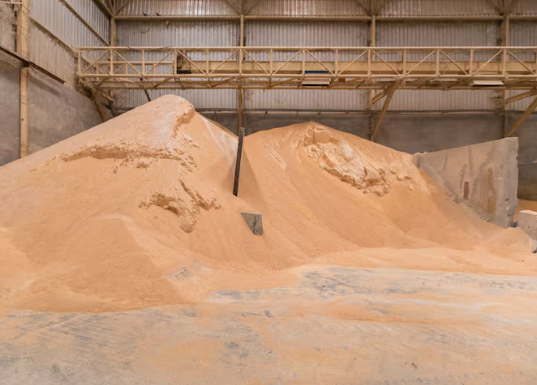
Import sand is sand brought in from an external source instead of using the existing soil on-site. It is chosen for its consistent quality and performance.
2. Why not just use the soil already on the site?
On-site soil can be uneven and unpredictable. Import sand provides a more uniform and manageable material for leveling.
3. Does import sand need to be compacted?
Yes, it should be compacted properly to create a stable base that will not shift over time.
4. Is import sand only used for large construction projects?
Not at all. It is used for small residential jobs, landscaping, and even backyard leveling projects.
5. Does using import sand save time?
In most cases, yes. It reduces rework, makes leveling easier, and helps keep the project moving smoothly.