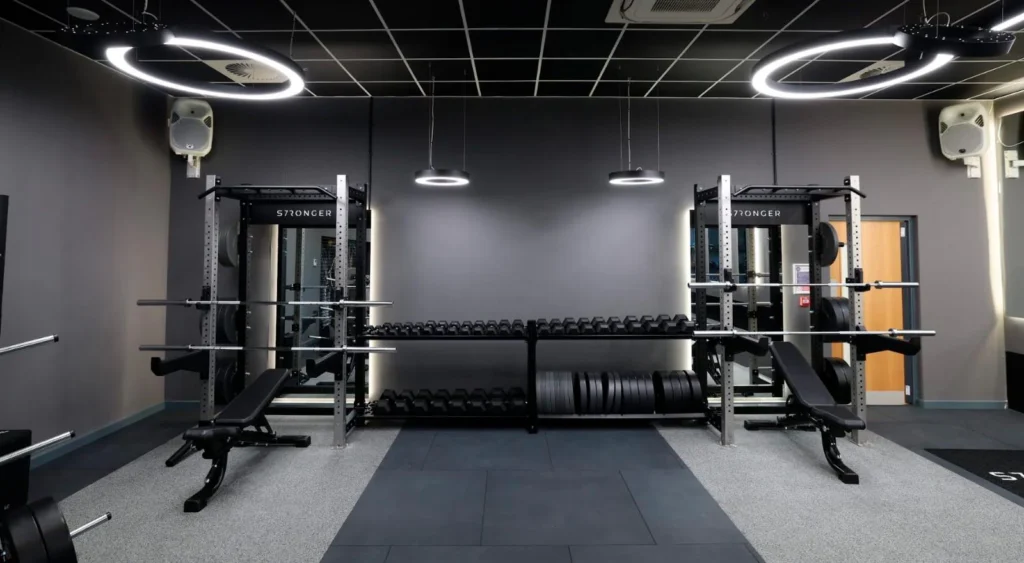
Ever walked into a gym, dropped a heavy dumbbell, and winced at the bone-shaking “thud” that followed? That cringe-worthy moment usually happens because someone neglected the most fundamental piece of equipment in the room: the ground beneath your feet. We obsess over the latest cable machines, the weight of our plates, or the brand of our sneakers, but we often treat the floor as an afterthought. Whether you’re carving out a corner in your garage or designing a high-end commercial facility, picking the right gym flooring isn’t just about aesthetics—it’s about survival. For your equipment, your building, and most importantly, your joints.
Why Your Floor Matters More Than Your Bench Press
Think of your flooring as the unsung hero of your workout. It’s the shock absorber that takes the beating so your house doesn’t have to. Without proper coverage, you aren’t just working out; you’re slowly jackhammering your foundation. Choosing a dedicated gym flooring solution means you are prioritizing the longevity of your space just as much as your personal fitness goals.
Protecting Your Subfloor (and Your Deposit)
If you’re training at home, especially in a spare room or a garage, that concrete or hardwood floor is incredibly vulnerable. Dropping a 20kg plate just once can cause a spiderweb of cracks in concrete that costs a fortune to fix. High-quality gym flooring acts as a sacrificial barrier. It’s much cheaper to replace a rubber tile than it is to resurface a garage floor or explain to a landlord why the floor looks like a lunar landscape.
Joint Safety: Your Knees Will Thank You
Have you ever tried doing burpees on bare concrete? It feels like your skeleton is trying to stage a coup. Impact is the enemy of longevity in fitness. Whether you’re jumping, sprinting, or just standing for an hour-long lifting session, a floor with the right “give” reduces the stress on your ankles, knees, and lower back. Reliable gym flooring is like the difference between running on a paved road and a soft forest trail; it absorbs the energy so your body doesn’t have to.
Decoding the Materials: What Are You Standing On?
Walk into any flooring shop and you’ll be buried in options. But for fitness, three or four contenders usually rise to the top. The success of your workout often depends on the stability provided by your gym flooring.
Rubber Flooring: The Undisputed Heavyweight Champion
When people think of a serious workout space, they think of rubber. It’s durable, water-resistant, and provides incredible grip even when you’re sweating buckets. Rubber gym flooring is the industry standard for a reason: it simply doesn’t quit. It handles heavy power racks and dropped deadlifts without flinching.
Tiles vs. Rolls: Which Should You Choose?
This is the age-old debate. Interlocking tiles are the DIYer’s best friend. They fit together like a puzzle, require no adhesive, and you can easily swap one out if it gets damaged. On the flip side, rubber rolls provide a seamless, professional look that’s ideal for large areas. While rolls are harder to install, they offer a sleek finish for high-end gym flooring projects.
Foam Mats: The Cozy Choice for Yoga and Pilates
Foam is the soft, approachable cousin of rubber. It’s lightweight, budget-friendly, and perfect if your “gym” consists of bodyweight movements, stretching, or yoga. However, don’t be fooled—foam is not for heavy weights. Set a heavy squat rack on foam gym flooring, and it will compress into nothingness faster than you can say “PR.” It’s about matching the tool to the task.
Turf and Sled Tracks: Bringing the Outdoors In
If you’ve seen those long green strips in modern gyms, you’ve seen gym turf. It’s designed specifically for sled pushes, sprints, and functional movement. It adds a splash of color to the room and provides a unique texture that’s great for high-intensity interval training (HIIT). Integrating turf into your gym flooring layout adds a professional athletic feel to any home setup.
The Aesthetic Factor: Making Your Gym Look Pro
Let’s be honest: we work out harder when the environment looks good. A mismatched, dusty floor makes the gym feel like a basement dungeon. A sleek, black or flecked gym flooring setup instantly elevates the space. It defines the “zone.” When you step onto that specialized surface, your brain switches from “home mode” to “beast mode.” It’s a psychological trigger that shouldn’t be underestimated.
Installation Secrets: Do It Once, Do It Right
Installing gym flooring isn’t rocket science, but a few mistakes can ruin the result. First, make sure the subfloor is clean and dry. Any moisture trapped under rubber can lead to mold issues. Second, leave a tiny gap at the edges. Materials expand and contract with temperature changes. If you wedge your gym flooring in too tight during winter, it might buckle come summer. A sharp utility knife and a straight edge are your best friends here.
Maintenance 101: Keeping Your Sweat Sanctuary Fresh
One of the best things about modern gym flooring is how easy it is to clean. For rubber, a simple mix of mild soap and water does the trick. Avoid harsh chemicals or petroleum-based cleaners, as they can actually break down the rubber over time, making it brittle or sticky. A quick mop once a week keeps the dust down and ensures your gym flooring remains safe and grippy for your next session.
Conclusion: Laying the Groundwork for Success
At the end of the day, your gym is a sanctuary. It’s where you go to better yourself, blow off steam, and build strength. Don’t let a bad foundation ruin that experience. By investing in the right gym flooring, you aren’t just buying mats; you’re buying peace of mind. You’re protecting your home, saving your joints, and creating a professional environment that inspires you to show up every single day. So, before you buy that next set of plates, look down. Make sure the ground you stand on is as strong as the person you’re trying to become.