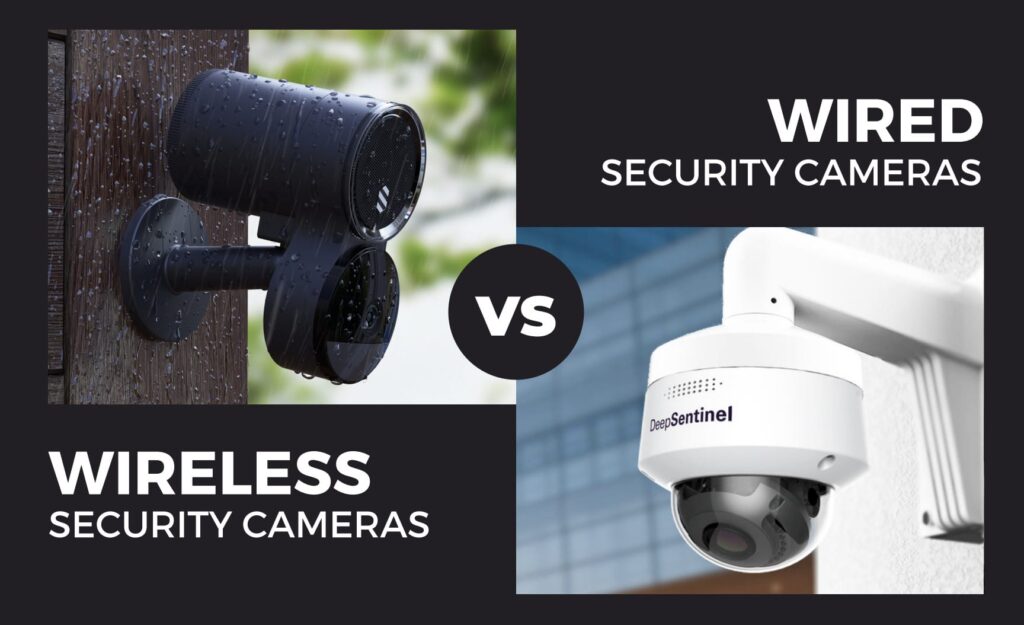
When it comes to protecting your home or business, choosing the right security system is one of the most important decisions you’ll make. With technology evolving rapidly, property owners now face a common dilemma: wired vs wireless security systems. Each option comes with its own advantages, limitations, and ideal use cases.
In this comprehensive guide, we’ll break down both systems in detail so you can confidently decide which solution fits your needs best.
Understanding Wired Security Systems
Wired security systems are the traditional choice and have been used for decades. These systems rely on physical cables to connect cameras, sensors, and control panels.
Advantages of Wired Systems
- Reliable Connection
Since wired systems don’t rely on Wi-Fi, they offer consistent performance without signal interruptions. This makes them ideal for large properties or areas with unstable internet. - High-Quality Video Output
Wired CCTV systems typically provide better video quality and less latency, making them a preferred choice for businesses that require constant monitoring. - Enhanced Security Against Hacking
Because they are not connected to wireless networks, wired systems are less vulnerable to cyber threats. - Ideal for Long-Term Installations
Once installed, wired systems require minimal maintenance and are suitable for permanent setups like offices, warehouses, and factories.
Disadvantages of Wired Systems
- Complex and time-consuming installation
- Higher upfront costs due to cabling and labor
- Limited flexibility if you want to expand or relocate
Understanding Wireless Security Systems
Wireless security systems have gained popularity due to their flexibility and ease of use. These systems connect through Wi-Fi or cellular networks, eliminating the need for extensive wiring.
Advantages of Wireless Systems
- Easy Installation
Wireless systems are quick to install and often don’t require professional help. This makes them perfect for homes and small businesses. - Flexibility and Scalability
You can easily add or relocate devices without dealing with cables, making them ideal for renters or growing businesses. - Remote Access and Smart Features
Most wireless systems allow you to monitor your property in real-time through mobile apps, offering convenience and control from anywhere. - Cost-Effective Setup
Lower installation costs make wireless systems an attractive option for those on a budget.
Disadvantages of Wireless Systems
- Dependence on internet connectivity
- Potential signal interference
- Battery maintenance for devices
- Slightly higher risk of cyber vulnerabilities
Wired vs Wireless: Key Comparison
| Feature | Wired Systems | Wireless Systems |
| Installation | Complex | Easy |
| Reliability | Very High | Depends on network |
| Flexibility | Limited | Highly Flexible |
| Maintenance | Low | Moderate (battery changes) |
| Cost (Initial) | High | Moderate |
| Scalability | Difficult | Easy |
Which One Should You Choose?
The right choice depends on your specific needs, property type, and budget.
Choose Wired Security Systems If:
- You own a large commercial property
- You need uninterrupted surveillance
- Long-term reliability is your top priority
- You already have infrastructure for cabling
Businesses that rely heavily on cctv monitoring services often prefer wired systems due to their consistent performance and high-quality footage.
Choose Wireless Security Systems If:
- You need a quick and easy setup
- You live in a rented property
- You want smart home integration
- You prefer remote monitoring via mobile devices
Wireless systems are particularly useful when paired with mobile patrol security services, as they allow real-time updates and flexible monitoring across different locations.
Combining Both Systems: A Hybrid Approach
In many cases, the best solution is not choosing one over the other—but combining both.
A hybrid system allows you to:
- Use wired cameras for critical areas
- Install wireless devices in hard-to-reach locations
- Maintain flexibility while ensuring reliability
This approach is commonly adopted by a professional security guard services company, ensuring comprehensive protection across various environments.
Factors to Consider Before Making a Decision
Before finalizing your choice, consider the following:
1. Property Size and Layout
Large properties benefit more from wired systems, while smaller spaces can efficiently use wireless setups.
2. Budget
If you’re looking for a lower upfront cost, wireless systems are a better option. However, wired systems may offer better value over time.
3. Internet Availability
If your internet connection is unreliable, a wired system is the safer choice.
4. Security Needs
High-risk areas may require the reliability of wired systems, while general monitoring can be handled by wireless solutions.
Final Thoughts
Both wired and wireless security systems offer strong protection, but the right choice ultimately depends on your unique requirements.
- Go wired for reliability, performance, and long-term use
- Go wireless for flexibility, convenience, and smart features
- Go hybrid for the best of both worlds
Investing in the right security system not only protects your property but also gives you peace of mind. Carefully evaluate your needs, consult professionals if necessary, and choose a system that aligns with your safety goals.