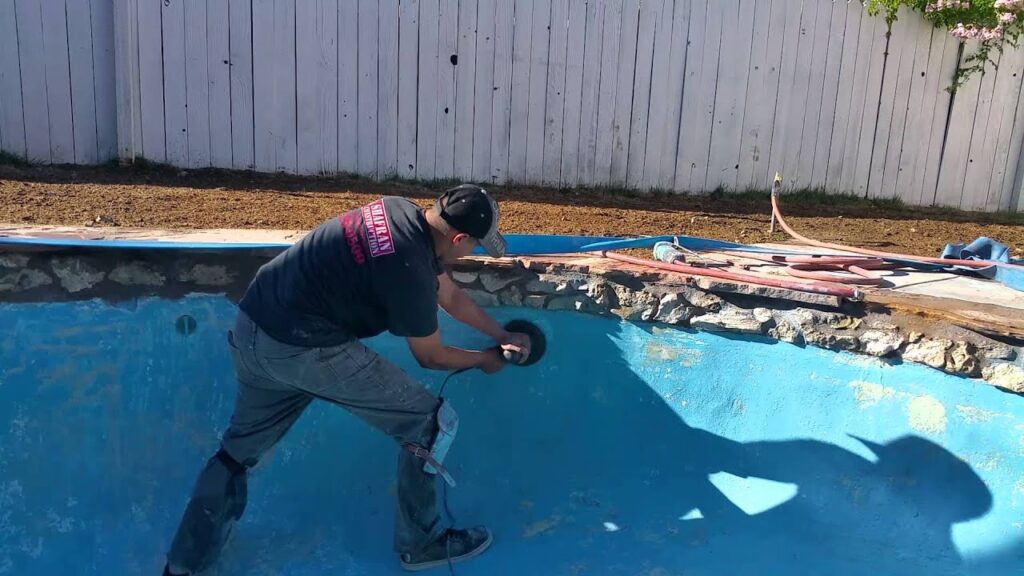
Swimming pools are a centerpiece of relaxation, luxury, and recreation, but over time, their surfaces begin to show signs of wear. Stains, rough textures, cracks, and discoloration can make even the most beautiful pool look aged and uninviting.
Swimming pool replastering is the process that brings life back to these surfaces, restoring both appearance and comfort. It is an essential maintenance step that ensures your pool remains safe, functional, and visually appealing for years to come.
Understanding Swimming Pool Replastering
Swimming pool replastering involves removing or repairing the old plaster layer inside a pool and applying a fresh, smooth coating. The interior surface of most concrete pools is finished with plaster made from a mixture of cement, sand, and water. While durable, this surface naturally deteriorates due to constant exposure to chemicals, sunlight, temperature changes, and regular use.
When the plaster becomes rough, stained, or starts to crack, it not only affects the appearance but can also cause discomfort for swimmers. In such cases, pool plaster repair becomes necessary to restore the surface to its original condition. This process helps maintain both the structural integrity and aesthetic value of the pool.
Signs Your Pool Needs Replastering
Knowing when to replaster your pool is important for preventing further damage. Common signs include:
- Rough surfaces that can scrape skin
- Visible cracks or chipping plaster
- Stains that do not respond to cleaning
- Discoloration or fading of the surface
- Leaks caused by deteriorating plaster
When these issues begin to appear, homeowners often consider professional pool plaster repair to avoid more expensive structural problems later. Addressing these early ensures the pool remains safe and enjoyable.
The Replastering Process Explained
The replastering process is detailed and requires careful preparation and execution. It typically involves several key steps:
1. Draining the Pool
The first step is to completely drain the pool water. This allows workers to access the entire surface and inspect the existing plaster condition.
2. Surface Preparation
Next, the old surface is cleaned and prepared. Loose plaster, algae, and debris are removed. In some cases, sandblasting or acid washing is used to ensure proper adhesion of the new layer.
3. Repairing Damaged Areas
Any cracks or structural imperfections are fixed before new plaster is applied. This step is crucial for effective pool plaster repair, as it prevents future leaks and surface failures.
4. Applying New Plaster
A fresh layer of plaster is then applied evenly across the pool interior. Skilled technicians ensure a smooth and consistent finish, which is essential for comfort and durability.
5. Curing and Filling
After application, the plaster must cure properly. The pool is then slowly refilled with water, and chemical balancing begins to protect the new surface.
Types of Pool Plaster Finishes
Modern pool resurfacing offers several finish options beyond traditional white plaster. Each has its own benefits:
- White Plaster: Classic, smooth, and cost-effective
- Colored Plaster: Adds visual appeal with tinted finishes
- Quartz Finish: More durable and stain-resistant
- Pebble Finish: Highly durable with a natural aesthetic
Depending on your budget and design preference, professionals may recommend different options during the plaster repair planning stage.
Benefits of Replastering Your Pool
Investing in replastering offers numerous advantages:
Improved Appearance
A newly plastered pool looks clean, bright, and inviting. It can transform an aging pool into a modern backyard feature.
Enhanced Comfort
Smooth surfaces prevent scrapes and discomfort, making swimming more enjoyable for everyone.
Increased Durability
New plaster strengthens the pool’s interior, reducing the risk of leaks and structural damage.
Better Water Quality
Fresh plaster is less likely to harbor algae and bacteria, helping maintain cleaner water.
These benefits make pool plaster repair a valuable investment rather than just an aesthetic upgrade.
How Often Should You Replaster a Pool?
On average, most pools need replastering every 7 to 10 years, depending on usage, maintenance, and water chemistry. Poor chemical balance or heavy usage can shorten this lifespan.
Regular inspections can help determine when maintenance is required. If the surface begins feeling rough or showing visible damage, it is usually time to consider pool repair before the condition worsens.
Maintenance Tips After Replastering
Proper maintenance is essential to extend the life of a newly resurfaced pool:
- Maintain balanced water chemistry
- Brush the surface regularly during the first month
- Avoid aggressive cleaning tools
- Keep chlorine levels stable
- Schedule periodic professional inspections
Following these steps ensures that your investment in pool repair lasts as long as possible and keeps the surface in excellent condition.
Cape Cod Pool Repair – Professional Pool Renovation & Service
Cape Cod Pool Repair Inc is a specialized pool renovation and repair company serving the Cape Cod region. They focus on comprehensive pool restoration projects, including resurfacing, replastering, tiling, coping replacement, and full pool renovations. The company has been serving local homeowners for decades and has completed thousands of pool projects.
Common Mistakes to Avoid
Pool owners sometimes make mistakes that shorten the lifespan of new plaster. These include:
- Failing to balance water chemistry after resurfacing
- Using harsh cleaning chemicals
- Ignoring small cracks or early signs of damage
- Delaying necessary maintenance
Avoiding these issues can significantly improve the durability of your pool’s finish and reduce the need for frequent pool plaster repair.
Conclusion
Swimming pool replastering is a crucial process that restores both the beauty and functionality of a pool. Over time, plaster naturally wears down due to environmental exposure and regular use, making resurfacing necessary. By investing in timely maintenance and professional care, homeowners can ensure their pools remain safe, smooth, and visually appealing.
Whether you are dealing with surface damage, stains, or aging plaster, understanding the importance of pool plaster repair helps you make informed decisions. With proper attention and maintenance, a replastered pool can provide many more years of enjoyment, comfort, and aesthetic appeal.