Modern aesthetic medicine has created options for facial rejuvenation that do not require surgery, long recovery periods, or dramatic changes in appearance. Among these options, a Liquid Facelift in Dubai has become widely discussed because it offers facial enhancement through injectable treatments rather than traditional surgical lifting. For people who want a fresher, more youthful appearance without incisions, the procedure is often considered an appealing middle ground between skincare and surgery.
But an important question remains: is a liquid facelift truly minimally invasive? Understanding how the treatment works, what it involves, and who may benefit from it can help answer that clearly.
Understanding What a Liquid Facelift Means
A liquid facelift is a non-surgical cosmetic procedure that uses injectable products—commonly dermal fillers and muscle-relaxing agents—to improve facial contours and soften visible signs of aging. Instead of tightening skin through surgery, the treatment restores volume, improves symmetry, and reduces lines in strategic facial areas.
The goal is not to change facial identity but to refresh areas where natural aging has caused volume loss, sagging, or contour imbalance. Common treatment zones include:
- Cheeks
- Jawline
- Nasolabial folds
- Temples
- Under-eye hollows
- Chin area
Because no surgical cuts are involved, many people considering a Liquid Facelift in Dubai view it as a practical option for facial enhancement with limited downtime.
Why It Is Considered Minimally Invasive
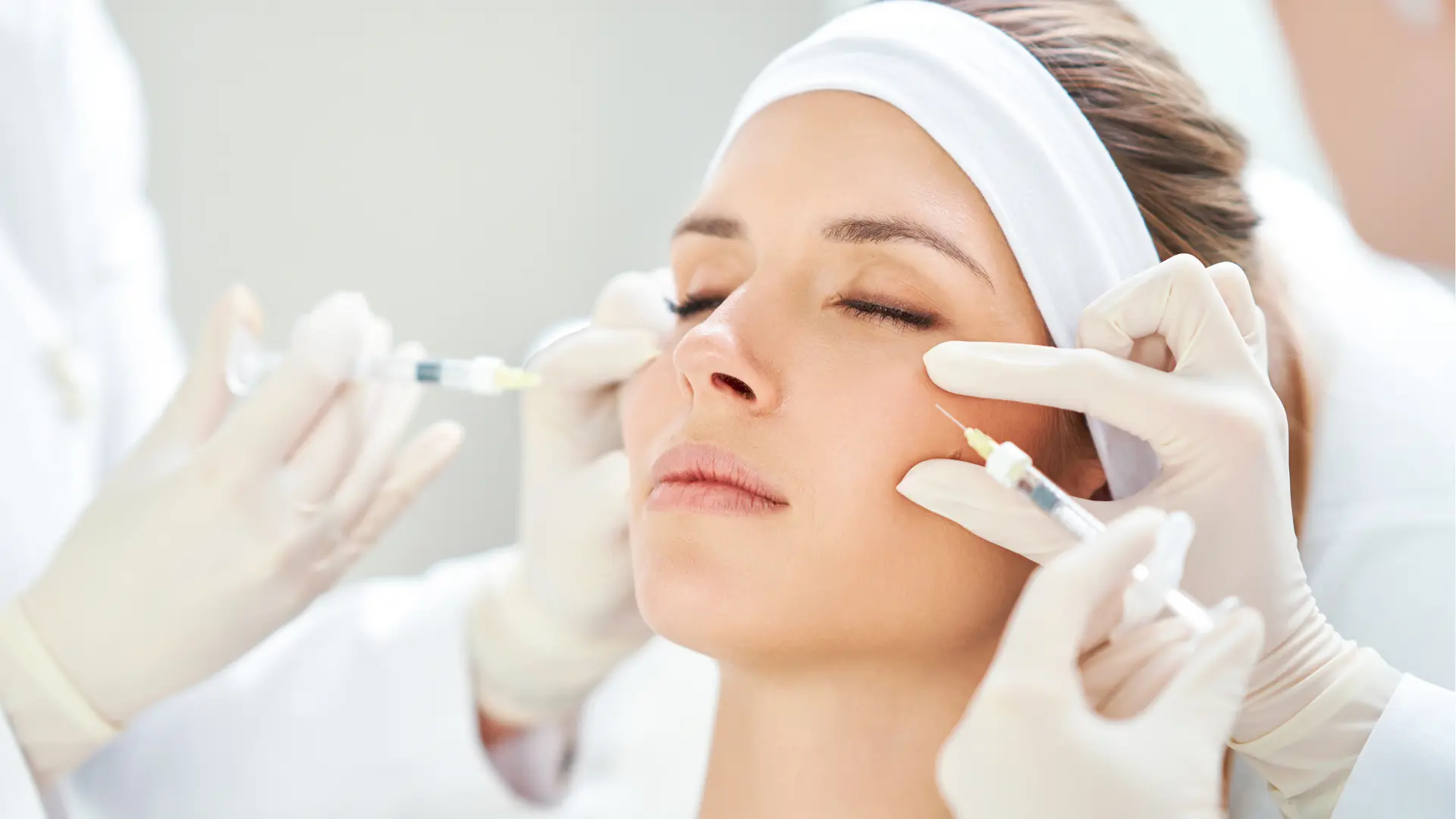
A procedure is generally described as minimally invasive when it avoids major surgical intervention, general anesthesia, and long healing periods. A liquid facelift fits this definition because treatment is delivered through fine needles or cannulas rather than surgical instruments.
The process typically includes:
- Facial assessment
- Marking treatment points
- Injection of selected products
- Gentle shaping of treated areas
No stitches, scalpels, or operating room procedures are involved. Most sessions are completed relatively quickly, and many individuals return to regular activities shortly afterward.
That said, “minimally invasive” does not mean entirely risk-free. The face contains complex anatomy, so technique and precision remain extremely important.
How Injectable Products Create a Lifting Effect
The lifting effect comes from restoring support beneath the skin. As people age, collagen declines, fat pads shift, and bone structure changes subtly. This can lead to flattening of the cheeks, deepening folds, and reduced jawline definition.
Dermal fillers help by adding volume where support has diminished. When placed correctly, they can create visible lift in surrounding tissues without surgery.
For example:
- Cheek enhancement may soften lower-face heaviness
- Chin projection can improve facial balance
- Jawline contouring may reduce the appearance of sagging
This is why a Liquid Facelift in Dubai often focuses on structural enhancement rather than simply filling wrinkles.
Common Injectable Components Used
A liquid facelift usually combines different injectable approaches depending on facial needs.
Dermal Fillers
These are commonly used to restore lost volume and improve contour. They can create support in deeper facial layers while softening surface changes.
Neuromodulators
These help relax dynamic muscles responsible for expression lines, especially around the forehead and eyes.
Collagen-Stimulating Injectables
Some treatments encourage gradual collagen production, helping improve skin texture over time.
The combination allows a customized approach rather than a one-size-fits-all treatment plan.
What Makes It Different from Surgical Facelifting
A surgical facelift physically repositions deeper facial tissues and removes excess skin. That produces stronger correction, especially in advanced aging.
A liquid facelift does not remove skin or reposition muscles. Instead, it works within soft tissue layers to improve appearance through volume and contour.
Key differences include:
- No surgical incisions
- No general anesthesia
- Shorter recovery period
- Temporary rather than permanent results
For mild to moderate facial aging, injectable treatments may provide noticeable improvement without surgical commitment.
Who Usually Benefits Most from This Approach
A liquid facelift is often most effective for individuals with early or moderate signs of aging rather than severe skin laxity.
Ideal candidates may notice:
- Mild cheek flattening
- Early jawline softening
- Fine to moderate folds
- Facial tiredness caused by volume loss
People with significant loose skin may require different treatment strategies because injectables alone have limitations.
Those researching Liquid Facelift in Dubai often choose this option because they want natural improvement rather than dramatic change.
Is There Downtime After Treatment?
One reason minimally invasive procedures are attractive is reduced interruption to daily life.
After treatment, temporary effects may include:
- Mild swelling
- Small injection marks
- Minor redness
- Occasional bruising
These effects usually settle relatively quickly compared with surgical recovery.
Many individuals schedule treatment because it generally allows a faster return to normal activities, though strenuous exercise and heat exposure may be limited for a short period afterward.
Are Results Immediate?
Part of the result can often be seen immediately, especially when volume is restored. However, final appearance may become clearer after swelling settles.
Some products also improve over time as they integrate naturally with tissue.
The gradual nature of improvement is one reason the procedure often appears natural when performed conservatively.
How Long the Effects Typically Last
Because the treatment uses injectable products rather than permanent surgical repositioning, results are temporary.
Duration depends on:
- Product type
- Area treated
- Metabolism
- Lifestyle factors
Some facial areas maintain correction longer than others because movement and tissue density vary across the face.
Maintenance sessions are commonly needed to preserve results over time.
Safety Considerations Matter
Even though a liquid facelift is minimally invasive, it still requires careful facial planning and anatomical understanding.
Important considerations include:
- Product selection
- Injection depth
- Symmetry assessment
- Avoidance of vascular complications
This is why treatment should never be viewed as casual simply because it does not involve surgery.
Why Natural Results Depend on Technique
A successful liquid facelift should not create heaviness or exaggerated facial volume. The best outcomes usually come from subtle structural correction.
Modern aesthetic trends favor:
- Preserved facial expression
- Balanced proportions
- Gradual enhancement
- Respect for natural facial anatomy
When planned carefully, a Liquid Facelift in Dubai can refresh appearance while maintaining natural identity.
Final Thoughts
Yes, a liquid facelift is considered minimally invasive because it avoids surgery, major recovery, and permanent structural intervention. However, it remains a medical aesthetic procedure that depends heavily on precision, product knowledge, and individualized planning.
Its popularity continues to grow because it offers a way to address early aging signs through strategic injectables rather than surgical lifting. For many people, the appeal lies in achieving visible rejuvenation while keeping treatment subtle, flexible, and adaptable to changing facial needs over time.