Why House Flies Become a Real Problem Fast
You ignore one fly, then suddenly there are ten. That’s how it goes. House flies don’t wait for permission, they show up, land on everything, and make your space feel… off. Not dangerous every second, but definitely not clean either. People underestimate them. They carry stuff from garbage, drains, who knows where. Then they sit on your food like they own it.
A solid house fly killer isn’t just a nice-to-have. It’s basic hygiene. But here’s the thing most guides won’t tell you. Not every solution works the same in every home. Some places have moisture issues, others have open kitchens, some just get hit during summer waves. So you don’t need hype. You need something that actually fits your situation.
The Truth About Chemical Fly Killers
Let’s be blunt. Sprays work. Fast. You hit the fly, it drops. Done. But there’s a tradeoff. Most chemical-based house fly killer sprays leave behind residue, even if brands say “safe after drying.” That’s still something you’re breathing around, especially in closed rooms.
People with kids or pets get cautious here. And rightly so. You don’t want to spray near food prep areas and then pretend it’s fine. Still, for sudden infestations, chemical killers are like emergency tools. You don’t use them daily, but when things get bad, they save time.
Short bursts. Ventilation. Basic common sense. That’s how most people manage it.
Natural House Fly Killer Options That Actually Work
Now this is where things get interesting. Natural solutions get a bad reputation because people try weak ones. A bowl of vinegar sitting quietly in the corner? Yeah, that’s not fixing anything.
But some methods actually work if you use them right. Sticky traps, UV light traps, even essential oil sprays in stronger concentrations. These don’t always kill instantly, but they control the population over time. And that’s the real goal.
A good natural house fly killer setup feels slower, but safer. Less harsh. And honestly, for long-term use, it makes more sense in most homes. You’re not constantly reacting. You’re preventing.

Electric Fly Killers: Fast, Brutal, Effective
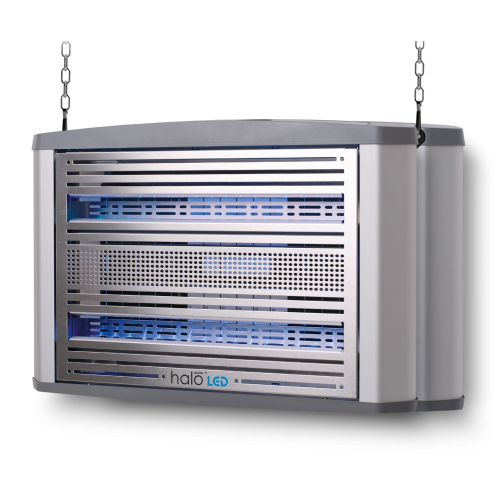
You’ve seen them. The blue light, the zap sound. A bit dramatic, yeah. But electric fly killers do the job. Flies get attracted to the light, then it’s over. No chasing. No spraying.
Some people don’t like the noise or the look. Fair. But in kitchens, small shops, or even balconies, these machines quietly reduce fly numbers without much effort. It’s a passive system. You plug it in and let it work.
If your place gets repeated fly visits, this kind of house fly killer becomes less of a gadget and more of a necessity.
Where Tools Like Hose Ferrule Crimping Tool Come In
This might sound random at first. But stay with me. A hose ferrule crimping tool has nothing to do with flies directly, right? But it does connect to the bigger picture of maintenance.
Flies don’t just appear out of thin air. They come because something attracts them. Leaks. Damp corners. Poor drainage. Loose connections in pipes. That’s where tools like a hose ferrule crimping tool quietly matter.
If you’re fixing hose connections properly, sealing leaks, tightening fittings, you’re cutting off one of the biggest fly attractions. Moisture. Standing water. Rot. All gone or at least reduced.
So yeah, it’s not a fly killer. But indirectly, it plays defense. And defense matters more than constant killing.
Prevention Is Half the Battle (Most People Ignore This)
You can kill flies all day, but if your environment invites them, you’re stuck in a loop. That’s the frustrating part.
Simple habits go a long way. Cover food. Clean drains. Don’t leave garbage open. Fix leaks early. Again, that’s where having tools like a hose ferrule crimping tool helps. You’re not waiting for a plumber every time something loosens up.
A strong house fly killer strategy always includes prevention. Always. Otherwise, you’re just treating symptoms, not the cause.
Indoor vs Outdoor Fly Control Feels Different
Indoor flies feel personal. They’re in your space, your kitchen, your room. So people go aggressive. Sprays, traps, electric zappers.
Outdoors, it’s a different game. You’re dealing with a larger environment. You can’t control everything. So solutions shift. Outdoor traps, bait systems, keeping trash bins sealed tightly.
A house fly killer that works indoors might fail outside completely. And that’s okay. You’re not supposed to use one solution everywhere. Adjusting matters.
Most people mess this up. They buy one product and expect miracles everywhere. Doesn’t work like that.
Common Mistakes That Keep Flies Coming Back
Here’s where people get stuck. They think they’re doing everything right, but flies still show up. Usually, it’s small things.
Leaving windows open without screens. Not cleaning under appliances. Ignoring tiny leaks in hoses or pipes. Again, that maintenance angle comes back. A loose connection that could’ve been fixed with a hose ferrule crimping tool ends up creating a damp spot. Flies love that.
Another mistake? Switching methods too fast. Natural traps need time. Electric killers need proper placement. Sprays need correct usage. If you keep changing every two days, nothing settles enough to work.
Choosing the Right House Fly Killer for Your Space
There’s no single “best” answer. Anyone who says that is selling something. What you need depends on your space, your tolerance, and how bad the problem is.
Small apartment with occasional flies? Sticky traps and a natural spray might be enough. Bigger home with recurring issues? Add an electric unit. Sudden infestation? Use a chemical spray, then shift to prevention.
Think of your house fly killer setup like layers. Not one solution, but a mix. That’s what actually works in real life.
And again, don’t ignore maintenance tools. A hose ferrule crimping tool might not feel relevant, but it helps keep your environment less attractive to flies. That’s half the win right there.

Conclusion: Stop Chasing Flies, Start Controlling the Environment
At some point, you realize killing flies one by one isn’t the goal. Control is. You want fewer flies showing up in the first place. That’s the shift.
A good house fly killer helps, sure. But real results come when you combine methods. Kill what’s there. Prevent what’s coming. Fix what’s attracting them.
And yeah, sometimes that means doing boring stuff. Tightening hoses. Fixing leaks with a hose ferrule crimping tool. Cleaning corners you’d rather ignore. Not exciting, but effective.
You don’t need perfection. Just consistency. That’s what actually works.
FAQs
What is the most effective house fly killer for indoors?
Electric fly killers and targeted sprays tend to work fastest indoors. For long-term control, combining traps with natural repellents gives better results.
Are natural house fly killer methods really effective?
Yes, but they take time. Stronger setups like UV traps or proper sticky systems work better than simple DIY solutions.
Can a hose ferrule crimping tool help with fly problems?
Indirectly, yes. It helps fix leaks and hose connections, reducing moisture buildup, which attracts flies in the first place.
How do I stop flies from coming back?
Focus on prevention. Clean regularly, seal entry points, fix leaks, and use a consistent house fly killer strategy instead of switching methods constantly.
Is it safe to use chemical fly sprays daily?
Not really. Occasional use is fine, but daily spraying can lead to residue buildup and potential health concerns. Use them when needed, not all the time.