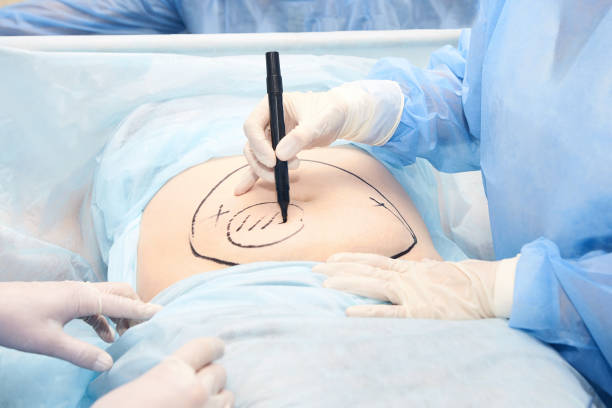
Understanding Success in Liposuction
Success in liposuction is not measured only by fat removal but by the quality of the final body contour. A successful outcome typically means that the treated areas appear smoother, more balanced, and in harmony with the rest of the body. The goal is not to create an entirely new appearance but to refine natural proportions.
Another important element of success is symmetry. When both sides of the body maintain balance after fat reduction, the result appears more natural and visually pleasing. This symmetry contributes significantly to the perception of success because the human eye naturally notices unevenness.
Long-term satisfaction is also part of success. When the results remain consistent and visually appealing over time, the procedure is considered successful. This includes how well the body maintains its shape and how naturally the contours integrate with overall body structure.
Frequency of Successful Outcomes
Liposuction is widely regarded as a procedure with a high rate of successful outcomes when performed with appropriate planning and patient selection. In most cases, individuals experience noticeable improvements in body contour that align with their expectations of refinement and proportion.
The reason for frequent success is that liposuction directly addresses localized fat deposits that are resistant to lifestyle changes. By targeting specific areas, the procedure allows for controlled shaping, which increases predictability in results. Because of this targeted approach, outcomes are often consistent when the body is suitable for contouring.
Another factor contributing to frequent success is the adaptability of the human body. In many cases, the skin and underlying tissues adjust gradually to the new shape, helping create smooth and natural-looking contours. This adaptability plays a major role in achieving visually pleasing results.
Factors That Influence Successful Results
Several factors determine how often liposuction is performed successfully. One of the most important is body structure. Individuals with well-defined skin elasticity and balanced fat distribution tend to experience more consistent contouring outcomes. The body’s natural ability to adjust after fat reduction is essential for smooth results.
Another influencing factor is the distribution of fat deposits. When fat is localized and clearly defined in certain areas, the shaping process tends to be more precise, contributing to a more successful outcome. This allows for controlled refinement rather than unpredictable changes.
The overall harmony of the body also matters. Successful results are more likely when fat reduction is performed in a way that respects the natural proportions of the body. Maintaining balance between different areas ensures that the final appearance looks cohesive and natural.
Healing response is another key factor. The way the body settles after fat reduction plays a significant role in how successful the final result appears. When tissues adjust smoothly, the contours become more refined and integrated.
Areas Where Success Is Commonly Observed
Liposuction tends to show frequent success in several body regions where fat deposits are more localized and contouring can enhance natural shape. The abdomen is one of the most common areas where individuals experience positive outcomes, as fat reduction here can significantly improve midsection smoothness and definition.
The thighs also respond well to contouring, with many cases resulting in more balanced and streamlined leg shapes. Because the thighs naturally carry fat in distinct patterns, refining this area often leads to noticeable yet natural improvements.
The arms are another area where liposuction is often successful in creating a more toned appearance. When carefully shaped, the arms can look more proportionate to the rest of the upper body while maintaining a natural softness.
The flanks and back areas also frequently show successful results, as fat reduction in these regions can enhance waistline definition and overall silhouette balance.
Consistency of Results Over Time
One of the reasons liposuction is considered successful in many cases is the consistency of its results. Once fat cells are removed from targeted areas, the overall contour tends to remain stable, provided the body weight remains relatively consistent.
Over time, the treated areas usually maintain their improved shape, which contributes to long-term satisfaction. The body continues to age naturally, but the refined contours generally remain visible, allowing the results to integrate into the individual’s overall appearance.
The gradual settling of tissues after the procedure also contributes to consistency. As the body adapts, the contours become smoother and more uniform, which enhances the perception of success.
Role of Body Adaptation in Success
The body’s ability to adapt plays a major role in how often liposuction is performed successfully. After fat removal, the skin and underlying tissues gradually adjust to the new shape. This adaptation process helps ensure that results appear natural rather than abrupt or artificial.
When the skin conforms well, the contours look soft and fluid. This seamless adjustment is one of the defining characteristics of successful outcomes. The more efficiently the body adapts, the more refined and natural the final appearance becomes.
Adaptation also helps reduce the visibility of transitions between treated and untreated areas, contributing to a cohesive look that enhances overall body harmony.
Realistic Expectations and Success Perception
Success in liposuction is also closely tied to expectations. When expectations align with what the procedure can realistically achieve, individuals are more likely to perceive results as successful. Liposuction is best suited for reshaping and contouring rather than dramatic transformation.
Understanding that results focus on refinement rather than complete alteration helps in appreciating the improvements. This perspective often leads to higher satisfaction and a stronger sense of success.
Natural-looking outcomes that enhance rather than replace body structure are typically viewed as the most successful. These results blend seamlessly into the individual’s natural physique.
Common FAQs
How often is liposuction performed successfully
Liposuction is frequently performed successfully, especially when the goal is body contouring and refinement. Many individuals experience improved proportions and smoother body shape that align with expectations.
What defines a successful liposuction outcome
A successful outcome is defined by balanced body contours, smooth transitions between treated areas, and a natural appearance that enhances overall proportion without looking artificial.
Does body type affect success rate
Yes, body type plays a role in how often liposuction is successful. Individuals with good skin adaptability and localized fat deposits often experience more consistent and natural-looking results.
Is long-term success common after liposuction
Long-term success is common when the body maintains a stable weight. The results typically remain consistent and continue to blend naturally with the body over time.
Why do some people experience better results than others
Differences in results often come from variations in body structure, fat distribution, and how the body adapts after the procedure. When these factors align well, outcomes tend to appear more refined and successful.