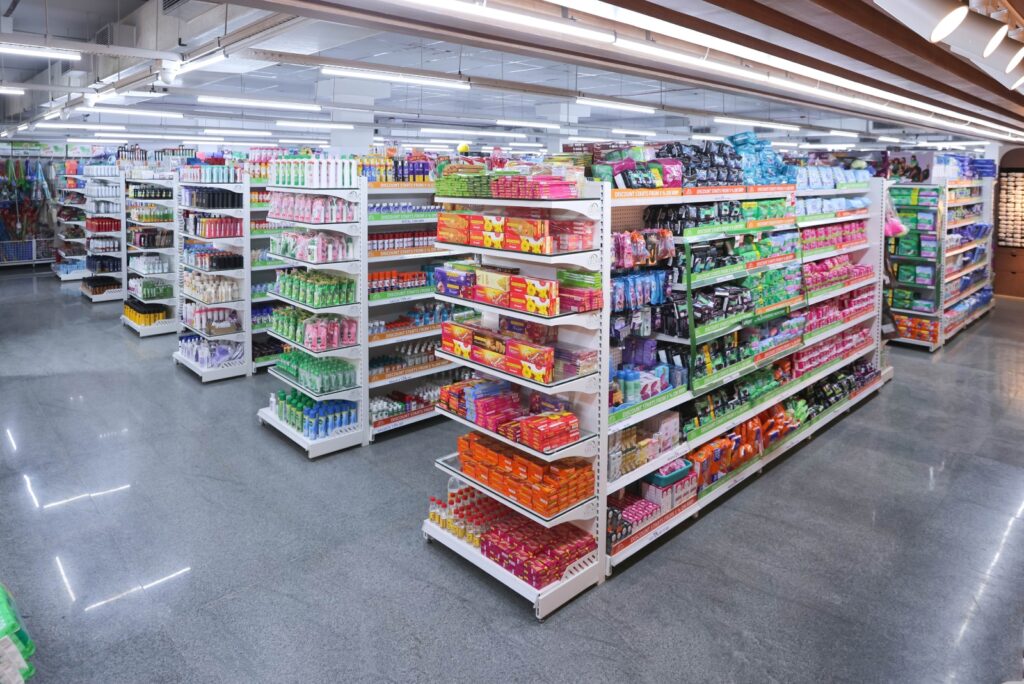
For small retail shops, particularly the bustling Kirana stores that form the backbone of local Indian commerce, space is the most valuable asset. Every square foot must be optimized to display products efficiently while allowing smooth customer movement. Off-the-shelf shelving often fails to meet these unique demands, leading to cluttered aisles, hidden inventory, and lost sales opportunities. This is where custom Kirana rack solutions become a game-changer, transforming cramped layouts into organized, high-performing retail spaces.
Why Standard Shelving Fails for Kirana Stores
Generic racks might seem cost-effective initially, but they rarely accommodate the diverse shapes and sizes of products found in a typical Kirana store—from bulky rice sacks and oil tins to small spice packets and confectionery items. Standard racks often lead to:
-
Wasted Vertical Space: Fixed shelves that don’t reach the ceiling leave valuable storage area unused.
-
Poor Visibility: Deep, uniform shelves hide products in the back, forcing customers to rummage.
-
Weak Load Capacity: Many ready-made racks buckle under the weight of heavy grocery items.
-
Inefficient Flow: Incorrect aisle widths cause bottlenecks during peak hours.
A custom approach solves these issues by designing around your specific inventory, store layout, and customer traffic patterns.
Key Benefits of Custom Kirana Racks
Switching to tailor-made racking systems offers immediate and long-term advantages for grocery retailers:
-
Optimized Product Density: Adjustable shelf heights and depths mean you can store more varieties without overcrowding.
-
Enhanced Visibility & Hygiene: Open-back designs and strategic angles make products easy to see, clean, and restock.
-
Durability for Heavy Loads: Custom racks use thicker-gauge steel to handle heavy grains, liquids, and bulk packs without bending.
-
Branded Presentation: You can incorporate colour-coded sections or small branding elements to create a signature store look.
-
Future Flexibility: A well-designed system can be reconfigured as your product mix changes over time.
Smart Design Strategies for Maximum Space Utilization
To truly maximize floor space, custom solutions should move beyond simple shelving. Consider these expert design tactics:
Go Vertical with Mezzanine-Style Storage
If your store has high ceilings (12 feet or more), installing a mezzanine floor or high-level steel platforms can double your storage area. Use the upper level for slow-moving or bulk stock and the ground level for daily sales.
Use Slanted Shelves for Front-Facing Displays
For small, lightweight items (biscuits, chips, candies), slanted shelves automatically roll products forward. This reduces restocking effort and keeps the display looking full, encouraging impulse buys.
Integrate Mobile Racking for Dense Storage
For back-of-house or stockroom areas, mobile racking systems mounted on wheels or tracks can eliminate multiple fixed aisles. With just one movable aisle, you can increase storage capacity by nearly 80% compared to static shelves.
Create “Power Aisles” Based on Traffic Flow
Position your highest-margin or fastest-selling items at eye level along the main aisle. Custom racks let you vary aisle width—wider at the entrance, narrower near essentials—to manage crowd flow naturally.
“Every shelf inch should work for you, not against you. A custom design ensures your fastest-moving products are always front and center, while bulk items live safely below.”
Choosing the Right Partner: What to Look For
Not every metal fabricator understands the nuances of grocery retail. When searching for a Kirana Store Rack Manufacturer, prioritize these qualities:
-
Experience with Small Retail Formats: They should have case studies or references from similar-sized stores.
-
On-Site Assessment: A reputable manufacturer will measure your store, note entry/exit points, and discuss your top-selling categories before drawing a design.
-
Material Transparency: Ask about steel grade, powder coating thickness, and rust-proofing processes.
-
Post-Installation Support: Will they help you rearrange racks after six months if needed? What about warranty on welds and moving parts?
One notable industry expert, the Raman Racking System, has built a reputation for delivering heavy-duty, customizable storage solutions that address these exact retail challenges. Their approach focuses on understanding the store’s unique story—because every shop has different heroes (bestselling products) and supporting cast members (slower items). By using precision engineering and space-smart layouts, they help retailers turn chaotic stacks into organized, sale-driving displays. Whether you need gravity-fed channels for cold drinks or reinforced pallet racks for bulk grains, the right partner will design with your daily operations in mind.
Actionable Steps to Implement Your Custom Racks
Ready to upgrade? Follow this simple roadmap:
-
Audit Your Inventory: List all product categories with dimensions, weight, and turnover speed.
-
Map Your Floor Plan: Note electrical points, pillar locations, and natural light sources.
-
Set a Budget: Decide if you’ll phase the installation (e.g., perimeter first, then centre gondolas) or do it all at once.
-
Request 3D Designs: Insist on a visual mock-up before fabrication begins.
-
Plan Installation During Low Hours: Schedule assembly on a Monday or Tuesday to avoid weekend sales disruption.
Frequently Asked Questions (FAQ)
Q: How long does it take to design and install custom racks for a 500 sq. ft. Kirana store?
A: Typically 2–4 weeks from initial site survey to final installation, depending on design complexity and the manufacturer’s workload.
Q: Can custom racks be relocated if I move to a new shop?
A: Yes. Most modular rack systems are designed to be disassembled and reassembled. Just keep the hardware kit and assembly instructions safe.
Q: Are custom racks more expensive than standard options?
A: The upfront cost is usually 20–40% higher, but the increased storage density, reduced restocking time, and higher sales per square foot often recoup the investment within 6–12 months.
Q: What maintenance do steel Kirana racks require?
A: Regular dusting, immediate cleaning of any spilled liquids (especially oils or acidic items), and annual checks for loose bolts or coating chips.
Conclusion
Your Kirana store’s potential isn’t limited by its physical footprint—it’s limited by the creativity and intelligence of your racking system. Custom solutions allow you to break free from generic shelving, turning every wall, corner, and vertical inch into a productive selling zone. By partnering with an experienced Kirana Store Rack Manufacturer, you gain not just hardware but a strategic layout that improves customer experience and boosts repeat business. Remember, a well-organized store doesn’t just hold products; it tells customers you value their time and convenience. Start planning your space-maximizing upgrade today, and watch both your aisles and your revenue breathe easier.