The Role of Optical CMM in Plastic, Rubber, and Electronics Inspection
In today’s highly competitive manufacturing environment, precision and accuracy are not optional—they are essential. Whether you are producing automotive components, aerospace parts, plastic products, or intricate electronic assemblies, maintaining dimensional accuracy is critical for quality control. This is where Coordinate Measuring Machines (CMM) and Optical CMM systems play a vital role.
In this comprehensive guide, we will explore what a coordinate measuring machine is, how an optical CMM works, their benefits, applications, and why industries across the globe—including regions like Australia—are increasingly adopting these advanced inspection systems.
What is a Coordinate Measuring Machine (CMM)?
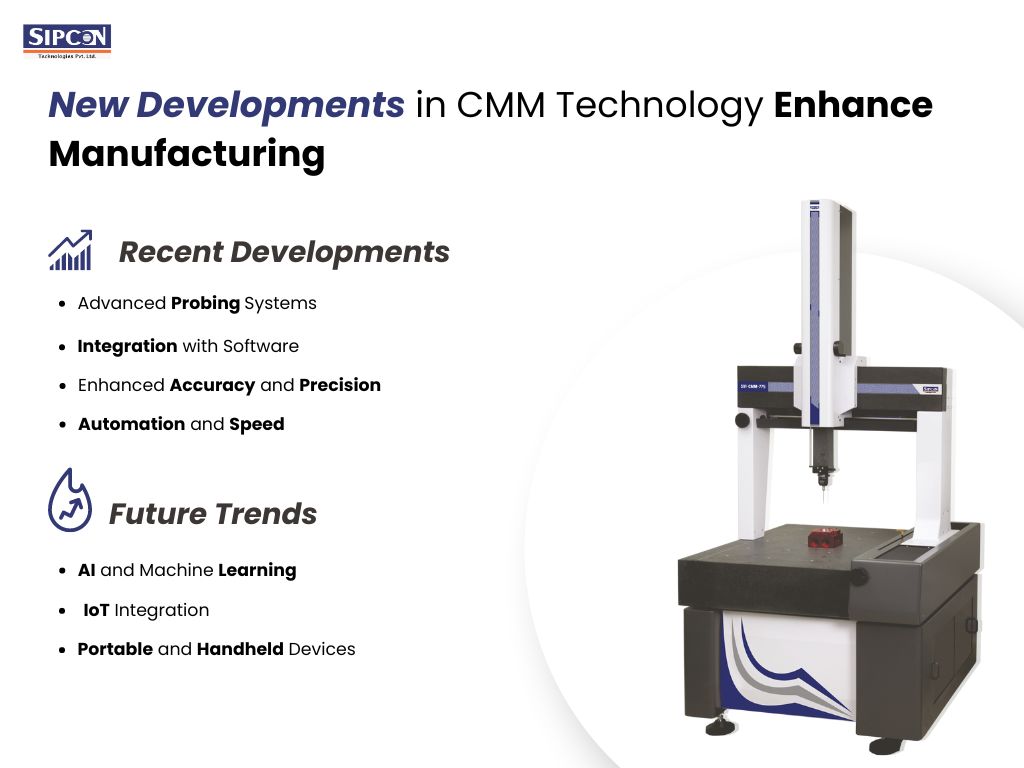
A Coordinate Measuring Machine (CMM) is a precision inspection device used to measure the physical geometrical characteristics of an object. It works by detecting discrete points on the surface of a component using a probe. These points are then analyzed using software to determine dimensions, tolerances, and geometric features.
Key Components of a CMM:
- Probe System – Touch-trigger or scanning probe that collects measurement points
- Machine Structure – Bridge, gantry, or cantilever structure
- Control System – Handles movement and data acquisition
- Software – Converts collected data into actionable insights
CMMs are widely used in industries where accuracy down to microns is required. From metal machining to plastic molding, they ensure every product meets strict quality standards.
What is an Optical CMM?
An Optical CMM, also known as a non-contact coordinate measuring system, uses cameras and optical sensors instead of physical probes to measure components. It captures images of the object and analyzes them digitally to determine dimensions.
Unlike traditional CMMs, optical systems do not touch the object, making them ideal for delicate or soft materials.
How Optical CMM Works:
- High-resolution cameras capture images of the object
- Lighting systems enhance edges and contours
- Software processes the images to extract measurements
- Results are displayed in real-time
Optical CMMs are particularly useful for measuring small, intricate parts such as plastic components, rubber seals, and electronic parts.
Difference Between CMM and Optical CMM
| Feature | Coordinate Measuring Machine | Optical CMM |
|---|---|---|
| Measurement Type | Contact | Non-contact |
| Speed | Moderate | High |
| Accuracy | Very high | High |
| Suitable Materials | Hard materials | Soft & delicate materials |
| Application | Heavy engineering | Electronics, plastics, rubber |
Both systems have their own advantages, and the choice depends on the application requirements.
Advantages of Coordinate Measuring Machines
1. High Accuracy
CMMs offer extremely precise measurements, often within microns, ensuring strict quality control.
2. Versatility
They can measure complex geometries, including curves, angles, and intricate surfaces.
3. Automation
Modern CMMs are CNC-controlled, reducing manual intervention and increasing efficiency.
4. Data Analysis
Advanced software provides detailed reports, helping manufacturers improve processes.
Advantages of Optical CMM
1. Non-Contact Measurement
Ideal for fragile materials like plastic, rubber, and thin components.
2. Faster Inspection
Optical systems capture thousands of points instantly, reducing inspection time.
3. No Risk of Damage
Since there is no physical contact, the part remains undamaged.
4. Easy Operation
User-friendly interfaces make optical CMMs suitable for operators with minimal training.
Applications of CMM and Optical CMM
1. Automotive Industry
Used to inspect engine components, gears, and structural parts.
2. Aerospace
Ensures precision in turbine blades, airframe components, and safety-critical parts.
3. Electronics
Optical CMMs are widely used for PCB inspection and micro-components.
4. Plastic & Rubber Industry
Perfect for measuring molded parts, seals, and packaging materials.
5. Medical Devices
Used for precision measurement of implants and surgical instruments.
Growing Demand in Global Markets
With increasing emphasis on quality and compliance, the demand for advanced measurement systems is rising globally. Countries like Australia are rapidly adopting optical CMM technologies in manufacturing and quality labs to improve productivity and meet international standards.
Industries in Australia are especially focusing on automation and non-contact inspection methods, making optical CMM systems a preferred choice for modern manufacturing setups.
Choosing the Right CMM System
Selecting the right system depends on several factors:
1. Type of Material
- Hard metals → Traditional CMM
- Soft or delicate parts → Optical CMM
2. Accuracy Requirements
High-precision applications may require advanced CMM systems with scanning probes.
3. Production Volume
High-volume production benefits from faster optical systems.
4. Budget
Optical systems can be cost-effective for specific applications, while traditional CMMs are ideal for heavy-duty use.
Why Choose Sipcon Instrument for CMM Solutions?
When it comes to reliable and high-performance measurement systems, Sipcon Instrument stands out as a trusted provider. With years of expertise in testing and inspection solutions, Sipcon Instrument offers advanced coordinate measuring machines and optical CMM systems tailored to industry needs.
What Makes Sipcon Instrument Unique?
- Advanced technology for precise measurements
- Durable and reliable systems
- User-friendly software integration
- Excellent customer support
- Custom solutions for different industries
Sipcon Instrument has built a strong reputation by delivering quality inspection systems that meet global standards, including requirements from industries in regions like Australia.
Future Trends in Measurement Technology
The field of dimensional measurement is evolving rapidly. Some emerging trends include:
1. Automation & AI Integration
Modern systems are integrating artificial intelligence for smarter inspection and predictive analysis.
2. Portable CMMs
Compact and portable systems are gaining popularity for on-site inspections.
3. Hybrid Systems
Combining contact and non-contact technologies for enhanced flexibility.
4. Industry 4.0 Integration
CMM systems are becoming part of smart factories with real-time data sharing.
Best Practices for Using CMM Systems
To get the best results from your coordinate measuring machine:
- Regularly calibrate the machine
- Maintain proper environmental conditions
- Train operators effectively
- Use appropriate probes or lenses
- Analyze data for continuous improvement
Conclusion
Both Coordinate Measuring Machines (CMM) and Optical CMM systems are essential tools in modern manufacturing. While traditional CMMs provide unmatched accuracy for solid materials, optical CMMs offer speed and flexibility for delicate and complex components.
Choosing the right system depends on your specific application, production needs, and budget. With the increasing demand for precision and efficiency, investing in the right measurement technology is crucial for staying competitive.
Sipcon Instrument continues to lead the way by offering innovative and reliable CMM solutions that cater to diverse industrial needs worldwide.
📞 Get in Touch with Sipcon Instrument
Looking for high-quality Coordinate Measuring Machines or Optical CMM systems for your business?
Contact Sipcon Instrument today to find the perfect solution for your measurement needs.
📱 Phone: +61 426 368 868
📧 Email: aunz@sipconinstrument.com
🌐 Website: https://www.sipconinstrument.com/contact.php
Upgrade your quality control process with advanced CMM technology—partner with Sipcon Instrument and ensure precision in every measurement.