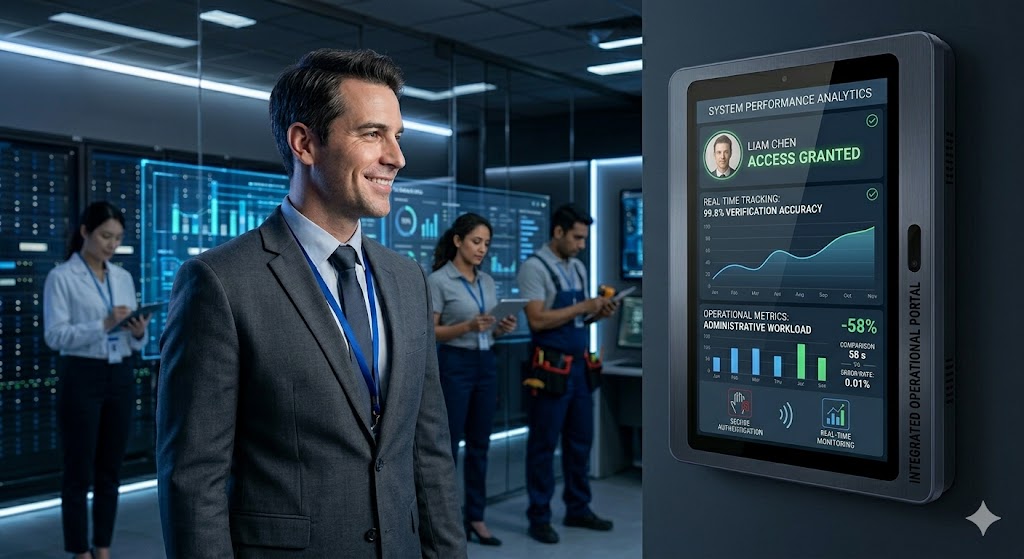
In today’s fast-paced digital environment, businesses are constantly looking for ways to improve efficiency and reduce manual work. One of the most important yet often overlooked areas is employee attendance management. Traditional systems like paper registers and punch cards are outdated, time-consuming, and prone to errors. This is where modern technology steps in to transform attendance tracking into a seamless and intelligent process.
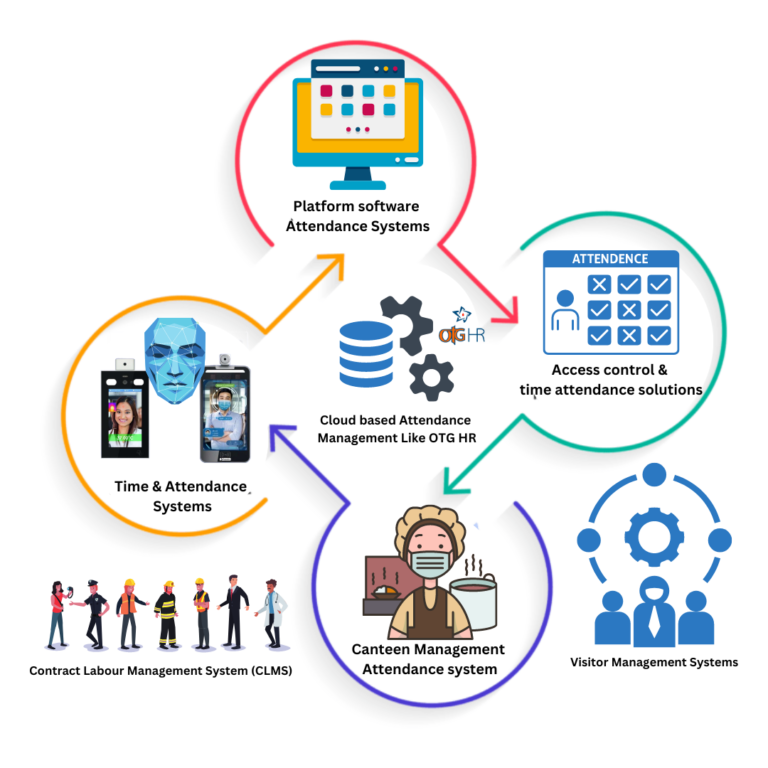
A smart attendance system is designed to automate and simplify attendance management using advanced technologies such as biometrics, facial recognition, mobile applications, and cloud computing. These systems not only track employee presence but also provide valuable insights that help organizations improve productivity and workforce management.
What is a Smart Attendance System?
A smart attendance system is a digital solution that records employee check-in and check-out times automatically. It eliminates the need for manual entry and reduces the chances of human error. These systems can be integrated with various devices like fingerprint scanners, face recognition terminals, or even mobile GPS-based applications.
The goal is to ensure accurate attendance records while making the process convenient for both employees and HR teams. With real-time data access, businesses can monitor attendance from anywhere, making it ideal for remote and hybrid work environments.
Key Features of Smart Attendance Systems
1. Biometric Authentication
Biometric systems use unique physical traits such as fingerprints or facial features to verify employee identity. This ensures that attendance is marked only by the actual employee, eliminating fraudulent practices like buddy punching.
2. Real-Time Tracking
Modern attendance systems provide real-time updates, allowing HR teams to monitor employee presence instantly. This feature is especially useful for organizations with multiple locations.
3. Cloud-Based Access
Cloud integration enables businesses to store and access attendance data securely from anywhere. It also ensures data backup and easy scalability.
4. Mobile Attendance
With mobile apps, employees can mark their attendance using GPS-based tracking. This is particularly beneficial for field staff and remote workers.
5. Integration with Payroll
Attendance data can be directly integrated with payroll systems, ensuring accurate salary calculations and reducing administrative workload.
Benefits of Using Smart Attendance Systems
Improved Accuracy
Manual attendance systems are prone to errors, whether intentional or accidental. Automated systems ensure precise data recording, which is essential for payroll and compliance.
Time Efficiency
HR teams no longer need to spend hours managing attendance records. Automation saves time and allows them to focus on strategic tasks.
Enhanced Security
Biometric and AI-based systems provide a high level of security, ensuring that only authorized individuals can mark attendance.
Better Workforce Management
With detailed reports and analytics, businesses can track employee performance, identify absenteeism patterns, and make informed decisions.
Cost Savings
Although there is an initial investment, smart attendance systems reduce long-term costs by minimizing errors, preventing time theft, and improving efficiency.
Role in Modern Work Culture
The rise of remote and hybrid work models has made traditional attendance systems obsolete. Companies now need flexible solutions that can adapt to changing work environments. A smart attendance system allows employees to mark their attendance from anywhere while maintaining accuracy and transparency.
This flexibility not only improves employee satisfaction but also helps organizations maintain productivity regardless of location. It also ensures that attendance policies are applied consistently across the workforce.
Challenges and Considerations
While smart attendance systems offer numerous benefits, there are a few challenges to consider:
- Initial Setup Cost: Implementing advanced systems may require investment in hardware and software.
- Data Privacy Concerns: Organizations must ensure that employee data is stored securely and used responsibly.
- Training Requirements: Employees and HR staff may need training to use the system effectively.
However, these challenges can be easily managed with proper planning and the right technology partner.
Future of Attendance Management
The future of attendance management lies in artificial intelligence and machine learning. Advanced systems will not only track attendance but also predict workforce trends, automate scheduling, and provide deeper insights into employee behavior.
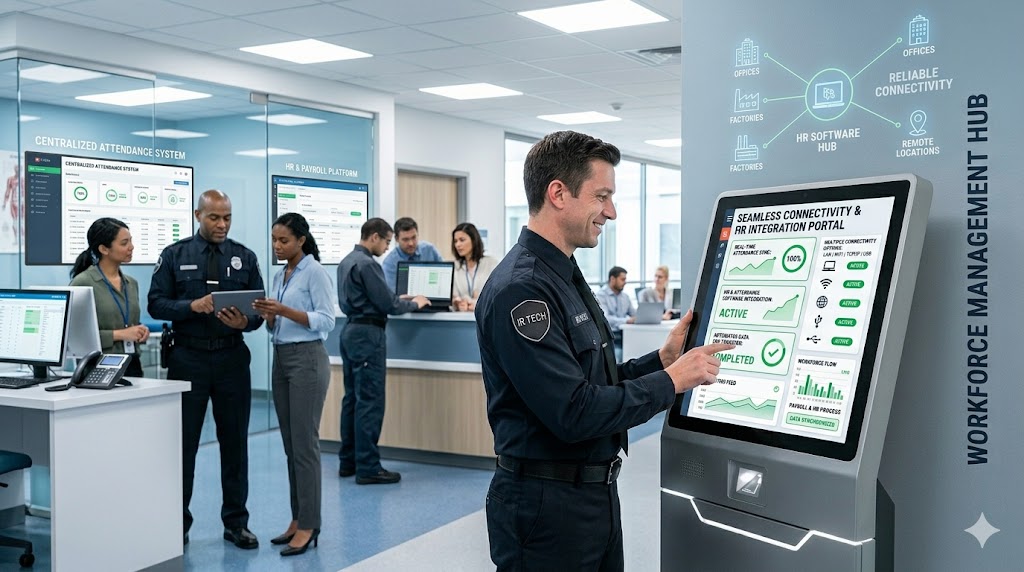
Integration with other HR technologies will create a unified ecosystem where attendance, payroll, performance, and employee engagement are all interconnected. This will help organizations achieve greater efficiency and make data-driven decisions.
Conclusion
In conclusion, adopting a smart attendance system is no longer a luxury but a necessity for modern businesses. It simplifies attendance tracking, improves accuracy, enhances security, and supports flexible work environments. As organizations continue to evolve, investing in smart solutions will be key to staying competitive and efficient.
By embracing digital transformation in attendance management, businesses can not only streamline their operations but also create a more transparent and productive workplace for their employees.