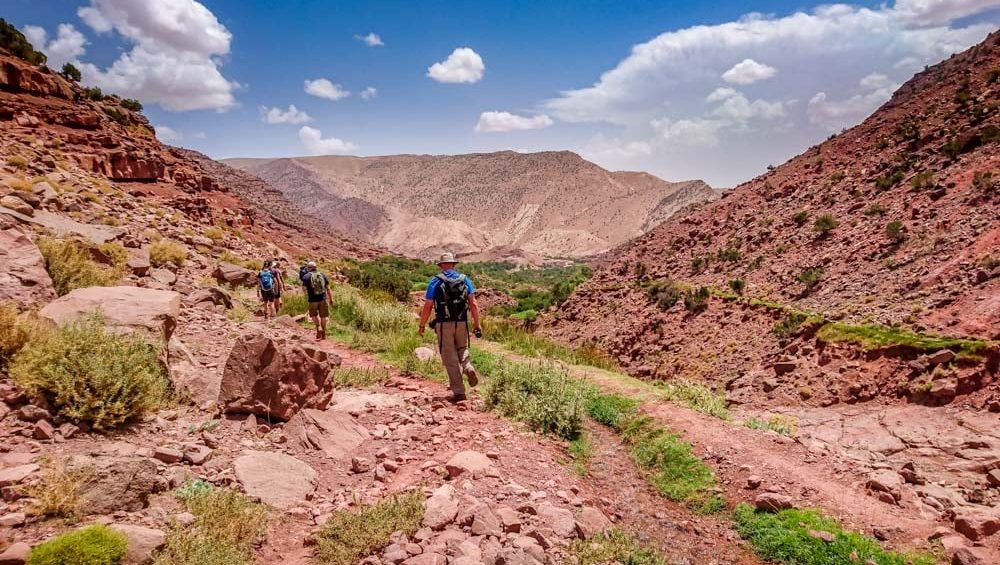
Stretching across North Africa like a rugged spine, the Atlas Mountains Morocco are among the most striking natural features of the region. In Morocco, this vast mountain system shapes not only the landscape but also the culture, climate, and daily lives of millions. From snow-capped peaks to fertile valleys, the Atlas Mountains are a world of contrast and beauty that continues to captivate travelers and locals alike.
A Geographic Wonder
The Atlas Mountains span roughly 2,500 kilometers across Morocco, Algeria, and Tunisia, but in Morocco, they reach their most dramatic expression. The range is divided into three main sections: the High Atlas, Middle Atlas, and Anti-Atlas. Each of these subranges has its own unique terrain and ecological characteristics.
The High Atlas is home to the tallest peaks, including Mount Toubkal, which stands at over 4,000 meters above sea level. Snow often blankets these peaks during winter, creating a striking contrast against the arid plains below. The Middle Atlas, on the other hand, is known for its cedar forests and more temperate climate, while the Anti-Atlas features older, more weathered mountains with a distinctly desert-like appearance.
Climate and Natural Diversity
One of the most fascinating aspects of the Atlas Mountains Morocco is the diversity of climates found within a relatively small area. The mountains act as a barrier between the Mediterranean climate in the north and the Sahara Desert to the south. This creates a variety of ecosystems, ranging from lush forests and green valleys to barren, rocky landscapes.
In the higher elevations, snowfall is common during winter, making parts of the Atlas Mountains a surprising destination for skiing in Africa. Meanwhile, the lower slopes and valleys support agriculture, with terraced fields producing crops such as olives, almonds, and barley.
The region is also home to a rich array of wildlife. Barbary macaques, one of the few primate species found outside Asia, inhabit the cedar forests of the Middle Atlas. Bird species, reptiles, and small mammals thrive in this diverse environment, making the mountains an important ecological zone.
Cultural Heartland
Beyond their natural beauty, the Atlas Mountains Morocco are deeply intertwined with Morocco’s cultural identity. The region has long been home to the Amazigh (Berber) people, whose traditions, languages, and way of life have endured for centuries.
Villages in the mountains are often built from local materials such as stone and mud brick, blending seamlessly into the surrounding landscape. These communities maintain a strong connection to their ancestral heritage, with traditional music, crafts, and customs playing a central role in daily life.
Hospitality is a hallmark of mountain culture. Visitors are often welcomed with mint tea and homemade bread, offering a glimpse into a way of life that values simplicity and community.
Economic Importance
The Atlas Mountains play a crucial role in Morocco’s economy. The range serves as a vital water source, capturing rainfall and snow that feed rivers and reservoirs across the country. This water supports agriculture in both the mountains and the surrounding plains.
Farming remains a primary livelihood for many communities in the region. Terraced agriculture allows farmers to make the most of the steep terrain, growing crops that sustain local populations and contribute to regional markets.
Tourism has also become increasingly important. Trekking, mountaineering, and cultural tours attract visitors from around the world. The mountains offer a unique combination of adventure and cultural immersion, making them a key destination for eco-tourism.
Adventure and Exploration
For travelers seeking adventure, the Atlas Mountains Morocco offer endless opportunities. Hiking trails wind through valleys, over mountain passes, and into remote villages. Whether it’s a multi-day trek to the summit of Mount Toubkal or a leisurely walk through a scenic valley, there is something for every level of experience.
In winter, ski resorts such as Oukaïmeden provide a rare chance to enjoy snow sports in Africa. During warmer months, the mountains are ideal for trekking, mountain biking, and even rock climbing.
The changing landscapes ensure that no two journeys are the same. One day might involve crossing a lush valley filled with orchards, while the next could bring you into a stark, rocky expanse that feels almost otherworldly.
Challenges and Preservation
Despite their beauty and importance, the Atlas Mountains face several challenges. Climate change poses a significant threat, with shifting weather patterns affecting water availability and agricultural productivity. Deforestation and overgrazing have also contributed to environmental degradation in some areas.
Efforts are being made to promote sustainable tourism and conservation. Local communities, along with government and international organizations, are working to protect natural resources while supporting economic development.
Responsible travel plays a key role in these efforts. Visitors are encouraged to respect local customs, minimize environmental impact, and support community-based tourism initiatives.
A Symbol of Strength and Beauty
The Atlas Mountains Morocco are more than just a geographic feature; they are a symbol of resilience and diversity. Their towering peaks, vibrant cultures, and vital ecosystems make them an essential part of Morocco’s identity.
From the bustling markets of nearby cities to the शांत, remote villages tucked into the hillsides, the influence of the mountains is felt everywhere. They provide not only physical sustenance but also a sense of continuity and connection to the past.
Conclusion
The Atlas Mountains stand as Morocco’s majestic backbone, shaping the land and the lives of those who call it home. Their beauty lies not only in their dramatic landscapes but also in the rich cultural tapestry they support.
For those who venture into this remarkable region, the experience is unforgettable. Whether drawn by adventure, culture, or natural beauty, visitors will find that the Atlas Mountains offer a unique and deeply rewarding journey into the heart of Morocco.