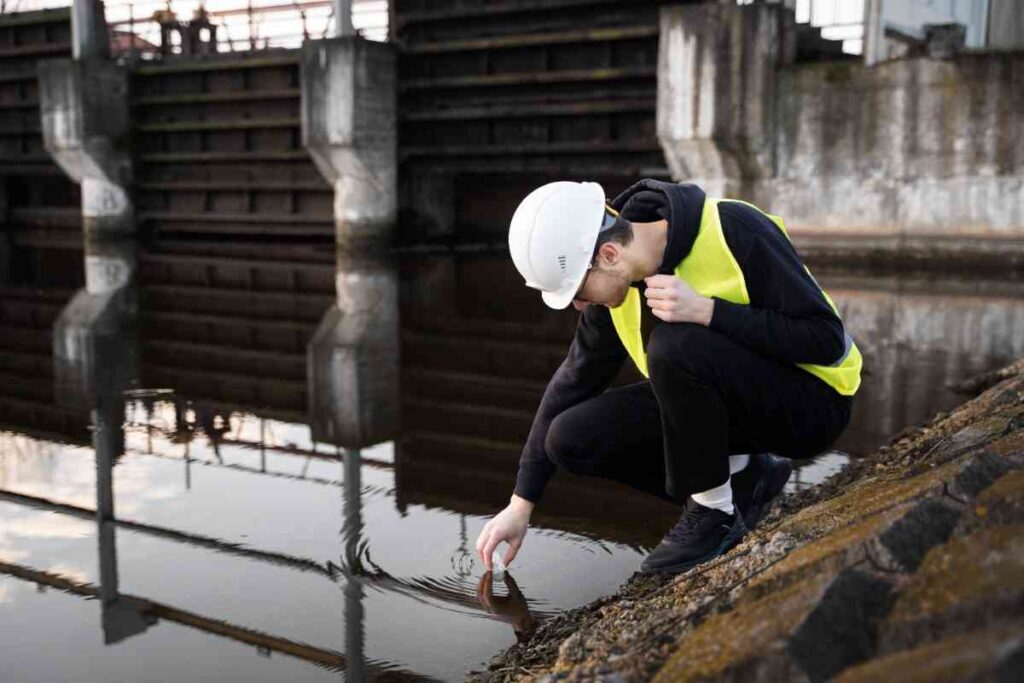
Fresh water supplies are decreasing while industrial demand continues to increase. Industrial operations still discharge substantial amounts of untreated wastewater, which creates environmental and resource challenges.
The simultaneous existence of heightened regulatory requirements and increased operational expenses creates business challenges. Companies must now find ways to treat wastewater in an effective manner while meeting their sustainability and regulatory obligations.
Sustainable industrial wastewater treatment trends show their actual applications through this research. Industries now implement new water management methods, which include water reuse and advanced system technology.
Why Industrial Wastewater Treatment Is Changing
The process started with water collection, which underwent treatment before the water reached its final discharge point. The existing method has lost its effectiveness. Malaysian regulations are becoming more stringent through the Department of Environment, setting tighter discharge limits. Also, nearby communities are developing an awareness of industrial impact.
The financial penalties now exist as a secondary risk because operations can face shutdowns under certain circumstances.
The industry is transforming. The introduction of new methods provides an intelligent solution to advance the industry. The new methods enable better treatment results while reducing expenses and providing enhanced environmental protection.
Latest Trends in Sustainable Wastewater Treatment
Industrial wastewater treatment is changing fast. New methods are more efficient, cost-effective, and better for the environment. Industries are now adopting smarter systems that meet strict rules while improving long-term performance.
1. Zero Liquid Discharge Is Growing Fast
Zero Liquid Discharge is no longer limited to large companies. More industries are now adopting it as water scarcity and regulations increase.
- No discharge removes the risk of breaking environmental rules
- Recovered water can be reused in production
- Long-term operating costs reduce despite higher setup costs
This approach is quickly becoming essential rather than optional.
2. Membrane Technology Is Improving
Membrane systems continue to evolve, offering better filtration and lower energy use. They are now more reliable and efficient than before.
- New membranes last longer and remove finer contaminants
- Systems like MBR combine treatment and filtration in one step
- Compact design suits facilities with limited space
As a result, membrane solutions are now widely preferred across industries.
3. Smart Monitoring Systems Are Taking Over
Real-time monitoring is replacing manual testing in many treatment plants. This shift improves accuracy and control.
- Sensors detect issues early and prevent major problems
- Chemicals are used only when required, reducing waste
- Data helps improve system performance over time
This technology makes wastewater treatment more precise and efficient.
4. Turning Wastewater Into a Resource
Wastewater is now seen as a valuable resource rather than waste. Industries are finding ways to recover useful outputs.
- Biogas from sludge can generate energy
- Nutrients can be extracted and used as a fertiliser
- Treated water can be reused in operations
This circular approach supports both cost savings and sustainability goals.
5. Electrochemical Treatment Is Rising
Electrochemical systems are gaining attention for treating complex wastewater. They offer a cleaner and more controlled solution.
- Effective in removing heavy metals and harmful chemicals
- Requires fewer chemicals, reducing secondary waste
- Works well for industries with difficult wastewater
These systems are becoming a strong addition to traditional methods.
6. Biological Treatment Is Getting Better
Biological treatment remains a key method, but newer systems are more advanced. They improve efficiency and reduce space needs.
- Advanced microbes break down waste more effectively
- Systems like MBBR increase treatment capacity
- Suitable for industries like food and beverage processing
Improved biological systems continue to offer reliable and cost-effective results.
What This Means for Malaysian Industries
These trends are not future ideas. They are happening now, in industrial areas across Malaysia.
Techkem Water Technologies assists Malaysian companies which need to implement modern systems. They create a customised solution through examining the specific wastewater output of a facility which needs to meet discharge standards while considering its available space and budget requirements.
The water treatment industry has changed its operations because companies now need to follow environmental regulations. The industry now requires businesses to operate more intelligently and sustainably.
How to Choose the Right Treatment System
Selecting an appropriate system presents challenges because each water treatment industry operates with its unique requirements and difficulties.
Your wastewater treatment solution needs to match the combination of your incoming wastewater and your site characteristics and your future operational objectives.
What Is in the Wastewater
The first step to understanding your wastewater requires knowledge about its complete contents. Different pollutants need different treatment methods. The required system type will depend on the chemical, oil, solid, and metal concentrations present in the wastewater.
What the Rules Require
System selection depends heavily on existing regulations. Discharge limits set by the Department of Environment must be met. The system design needs to match these standards because noncompliance results in financial penalties or facility closure.
How Much Space Do You Have
Your available space will determine which options you can select. Some systems need large tanks, while others are more compact. Advanced systems like MBR and modular units serve better at sites with limited available space.
Budget
Cost represents a central element in all decision-making processes. The costs extend beyond initial setup expenses to include operational expenses and maintenance expenses. The higher initial cost of a project will result in savings throughout its entire duration.
Future Plans
Future growth should not be ignored. A system that works today may not handle increased production later. Planning helps avoid costly upgrades or replacements.
Engineers who conduct a detailed wastewater audit establish an accurate baseline assessment which supports decision-making.
Conclusion
Sustainable industrial wastewater treatment has become a present-day operational practice. Industries are moving towards smarter, cleaner, and more efficient systems.
The water reuse trend, together with automation and ZLD, shows a complete operational change. The company’s focus is on waste reduction, cost savings, and compliance with environmental regulations. The companies work to achieve their environmental protection goals.
The treatment industry will continue its development because of emerging technological innovations. Companies that implement changes early will obtain significant market advantages.
FAQs
What is the most common industrial wastewater treatment method in Malaysia?
The most common method of treatment still depends on biological methods. The majority of facilities operate their systems through activated sludge or extended aeration configurations. The facilities have started to use membrane filters and chemical processes to fulfil the most recent requirements set by the Department of Environmental Protection.
What does Zero Liquid Discharge mean?
The process involves treating wastewater until no materials remain for disposal. The system either recovers all water or turns remaining material into solid waste. The system works best for the electronic, textile and chemical industries, which need to reuse their resources while meeting regulatory requirements.
How does real-time monitoring help?
The treatment system uses sensors which continuously monitor water quality throughout the entire system. The system enables operators to identify issues at an early stage, so they can use chemicals only when necessary to maintain system performance without depending on manual laboratory evaluations.
Why is the industry moving toward resource recovery?
The process enables companies to transform expenses into financial benefits, which result in cost reductions. The process of recovering gas, nutrients, and clean water results in reduced energy expenses and decreased expenses for materials.