Fiberglass Market – Industry Trends, Growth Drivers, Competitive Landscape and Forecast (2025–2032)
The global Fiberglass Market was valued at USD 31.58 Billion in 2024 and is projected to reach nearly USD 55.07 Billion by 2032, expanding at a CAGR of 7.2% during the forecast period. Fiberglass, a reinforced plastic material made using fine glass fibers embedded within polymer matrices, has become an essential material across industries due to its lightweight structure, corrosion resistance, high tensile strength, thermal stability, and excellent insulation properties. It is widely used in automotive components, aerospace structures, construction insulation, wind turbine blades, electronics, marine applications, and industrial equipment.
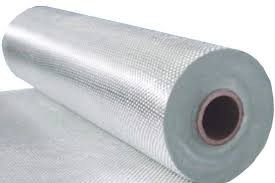
Fiberglass materials can be manufactured in different forms such as chopped strand mats, woven fabrics, yarns, rovings, and glass wool. Depending on application requirements, the material is combined with thermoset or thermoplastic resins including epoxy, polyester, and vinyl ester. The growing shift toward lightweight and energy-efficient materials is significantly accelerating fiberglass adoption worldwide. Industries are increasingly replacing traditional metal-based components with fiberglass composites to improve durability while reducing weight and maintenance costs.
♦ Request a Free Sample Copy or View Report Summary:https://www.maximizemarketresearch.com/request-sample/2602/
Market Dynamics
Rising Demand from the Wind Energy Sector
The growing global focus on renewable energy generation is one of the major growth drivers for the fiberglass industry. Fiberglass fabrics are extensively used in wind turbine blades because of their high strength-to-weight ratio, flexibility, and durability. E-glass fibers stitched with polyester, epoxy, or vinyl ester resins are commonly utilized in rotor blade manufacturing.
Modern fiberglass turbine blades are lighter and more efficient than conventional alternatives, enabling wind turbines to generate electricity even at lower wind speeds. Manufacturers are also increasingly investing in advanced fiberglass composite technologies to reduce manufacturing costs and enhance turbine performance. The increasing installation of wind power infrastructure across China, India, Europe, and North America is expected to generate substantial demand for fiberglass products during the forecast period.
Countries such as Denmark, Germany, Spain, and Portugal are rapidly increasing their renewable energy contribution, with wind energy replacing fossil fuel-based power generation. As governments continue to support clean energy initiatives and carbon neutrality goals, fiberglass demand in wind energy applications is anticipated to rise significantly.
Expanding Usage in Printed Circuit Boards (PCBs)
The electrical and electronics industry represents another key growth avenue for fiberglass manufacturers. Fiberglass fabrics possess excellent electrical insulation properties and are widely used in high-pressure laminates for printed circuit boards. Rising adoption of consumer electronics, automotive electronics, telecommunications systems, industrial automation, and smart devices is driving PCB production globally.
Fiberglass-reinforced PCBs provide enhanced mechanical stability, electrical resistance, and heat tolerance, making them ideal for advanced electronic systems. Increasing semiconductor applications and the rapid digitalization of industries are further supporting market growth. The growing demand for smart consumer products, medical electronics, and defense-grade electronic systems is expected to strengthen fiberglass consumption in high-performance PCB manufacturing.
Challenges Associated with High Production Costs
Despite strong growth potential, the fiberglass industry faces challenges related to high production and operational costs. Manufacturing fiberglass requires large-scale furnaces, advanced molding technologies, and significant energy consumption. Production techniques such as vacuum-assisted transfer molding and autoclaving are labor-intensive and require skilled professionals for efficient operation.
In addition, stricter environmental regulations in regions such as North America and Europe are increasing manufacturing costs. Regulatory authorities including environmental agencies require companies to install expensive emission control systems to reduce pollutants generated during fiberglass production. The disposal of solid and liquid waste generated during manufacturing also remains a significant challenge for industry participants.
Segment Analysis
By Glass Type
The E-glass segment dominated the fiberglass market in 2024 and is expected to maintain its leading position throughout the forecast period. E-glass fibers offer excellent mechanical strength, low electrical conductivity, corrosion resistance, and affordability, making them suitable for multiple industrial applications. Their lightweight structure and thermal resistance properties make them highly preferred in automotive, aerospace, marine, and electrical applications.
Demand for environmentally friendly boron-free E-glass fibers is also increasing as industries focus on sustainable manufacturing practices.
By Product
Based on product type, the market is segmented into glass wool, roving, chopped strands, yarn, and others. The glass wool segment accounted for the largest market share in 2024 owing to its widespread use in thermal and acoustic insulation applications. Glass wool is extensively utilized in residential and commercial construction for insulation beneath roofs, walls, and flooring systems.
Chopped strand fiberglass is also witnessing rapid growth due to increasing use in reinforced thermoplastics and injection molding applications in automotive and electronics industries.
By Application
The transportation segment dominated the fiberglass market in 2024 due to growing emphasis on lightweight vehicles and fuel efficiency improvements. Government regulations such as fuel economy standards and carbon emission reduction targets are encouraging automakers to adopt lightweight composite materials.
Fiberglass is increasingly replacing traditional metal components in automobiles, aircraft, marine vessels, and railway systems. Rising construction activities and growing infrastructure investments are also boosting fiberglass demand in building insulation, roofing, pipes, and tanks.
The wind energy application segment is expected to witness particularly strong growth during the forecast period as renewable energy infrastructure expands globally.
♦ Request a Free Sample Copy or View Report Summary:https://www.maximizemarketresearch.com/request-sample/2602/
Regional Insights
Asia Pacific
Asia Pacific held the largest share of the global fiberglass market in 2024 and is expected to remain the dominant regional market through 2032. Rapid industrialization, urbanization, population growth, and rising disposable income are driving demand across construction, automotive, electronics, and renewable energy sectors.
China remains the leading producer and consumer of fiberglass globally due to its massive manufacturing base and strong investments in wind energy and infrastructure development. India, Japan, South Korea, and Australia are also witnessing rising fiberglass demand across industrial applications. Favorable government policies, low-cost labor availability, and increasing domestic manufacturing activities are supporting regional market growth.
North America
North America is expected to witness steady growth during the forecast period owing to increasing adoption of fiberglass in aerospace, construction, automotive, and electrical industries. The region’s strong focus on lightweight materials and energy-efficient infrastructure is contributing to rising fiberglass consumption.
The presence of major aerospace manufacturers and electronics companies in the United States further strengthens regional demand. Additionally, recovery in the construction sector is expected to boost fiberglass insulation applications across residential and commercial buildings.
Europe
Europe represents a mature yet highly significant fiberglass market. Countries such as Germany, the United Kingdom, and France are key contributors due to their strong aerospace, automotive, and renewable energy industries. Increasing investments in sustainable infrastructure and renewable energy generation are supporting fiberglass demand across the region.
Germany remains a major consumer and exporter of fiberglass products because of its advanced manufacturing ecosystem and research capabilities. Meanwhile, the UK aerospace sector continues to create growth opportunities for high-performance fiberglass composites.
♦ Download a free sample of the unmanned composites market report:https://www.maximizemarketresearch.com/market-report/fiberglass-market/2602/
Competitive Landscape
The fiberglass market is highly competitive with the presence of several global and regional manufacturers focusing on product innovation, capacity expansion, and strategic partnerships. Key players are investing heavily in advanced fiberglass technologies, sustainable production methods, and high-performance composite materials to strengthen their market position.
Major companies operating in the market include Owens Corning, PPG Industries, Hexcel Corporation, Saint-Gobain, China Jushi Co., Ltd., Nippon Electric Glass, Knauf Insulation, and Gurit.
Conclusion
The global fiberglass market is poised for strong growth between 2025 and 2032, driven by rising demand for lightweight, durable, and energy-efficient materials across diverse industries. Expanding renewable energy projects, increasing PCB production, rapid urbanization, and growing adoption of advanced composites in transportation are expected to remain key market drivers.
◉ Get Market Research Latest Trends
Amino Acids Market https://www.maximizemarketresearch.com/market-report/amino-acids-market/190304/
Global Carbon Nanomaterials Market https://www.maximizemarketresearch.com/market-report/global-carbon-nanomaterials-market/104577/
Polyurethane Market https://www.maximizemarketresearch.com/market-report/global-polyurethane-market/70607/
About Maximize Market Research:
Maximize Market Research is a multifaceted market research and consulting company with professionals from several industries. Some of the industries we cover include medical devices, pharmaceutical manufacturers, science and engineering, electronic components, industrial equipment, technology and communication, cars and automobiles, chemical products and substances, general merchandise, beverages, personal care, and automated systems. To mention a few, we provide market-verified industry estimations, technical trend analysis, crucial market research, strategic advice, competition analysis, production and demand analysis, and client impact studies.
Contact Maximize Market Research:
3rd Floor, Navale IT Park, Phase 2
Pune Bangalore Highway, Narhe,
Pune, Maharashtra 411041, India
sales@maximizemarketresearch.com
+91 96071 95908, +91 9607365656