Introduction
Choosing the right children’s picture book for a child feels simple at first. Then you walk into a bookstore or scroll through hundreds of covers online, and suddenly every title looks the same. Bright colors. Cute animals. Big promises. What truly matters is how a book connects with a child’s emotions, curiosity, and stage of growth.
A strong picture book does more than entertain for ten minutes before bedtime. It shapes language, attention, empathy, imagination, and memory. Publishers like Lyvro Publishing focus on creating stories that feel warm, meaningful, and emotionally lasting for children and parents alike. Their approach reflects what many families now want from children’s reading, slower moments, thoughtful storytelling, and books children return to again and again.
Start With the Child’s Age and Reading Stage
Many parents buy books based only on popularity. Age fit matters more.
Toddlers need simple stories with repetition, predictable rhythms, and clear illustrations. Preschoolers enjoy emotional storytelling and playful visuals. Early readers look for slightly longer narratives, humor, and characters they recognize emotionally.
A two-year-old usually responds best to:
- Bold illustrations
- Short sentences
- Repetition
- Familiar objects or animals
- Interactive reading moments
Children between four and seven often enjoy:
- Character-driven stories
- Gentle conflict and resolution
- Friendship themes
- Humor
- Emotional learning
- Rich visual detail
According to Children’s literature research, picture books support vocabulary growth, memory, emotional understanding, and imagination during early childhood development.
Books that match developmental stages keep children engaged instead of frustrated or distracted.
Look Closely at the Illustrations
Children don’t read picture books with words alone. They read the art too.
Illustrations guide emotion, pacing, attention, and comprehension. A strong visual story helps children understand feelings before they fully understand language.
Pay attention to:
- Facial expressions
- Color mood
- Scene detail
- Character movement
- Visual consistency
- Page flow
Some books overload every page with noise. Others leave space for imagination. Children often connect more deeply with illustrations that feel emotionally clear rather than visually chaotic.
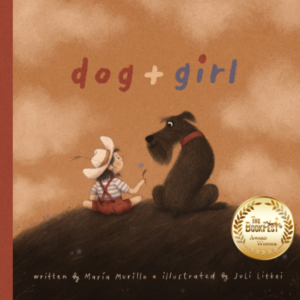
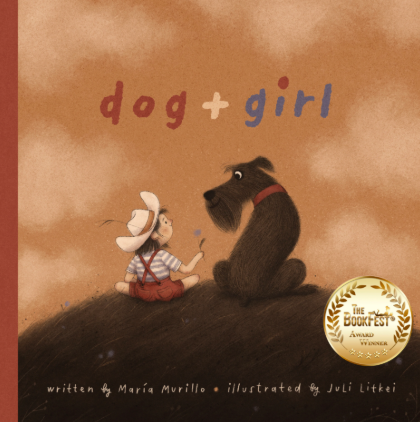
On Lyvro’s collection, the book “dog+girl” uses soft storytelling and emotionally grounded imagery centered around friendship, adventure, and connection between a child and a dog.
That emotional clarity matters. Kids remember how a book felt long after they forget exact sentences.
Choose Stories With Emotional Depth
A picture book should leave room for conversation. Children process emotions through stories because stories feel safe. Fear, kindness, friendship, loneliness, curiosity, and courage become easier to understand when seen through characters.
Books built around emotional warmth often stay in family routines longer. Lyvro Publishing’s philosophy focuses on stories that encourage empathy, imagination, loyalty, and connection. Their themes are inspired by childhood memories, dogs, play, and shared reading experiences.
When choosing a book, ask:
- Does the story feel emotionally honest?
- Does it encourage questions?
- Will a child relate to the characters?
- Is there kindness in the storytelling?
- Does the ending feel earned instead of rushed?
Children notice emotional authenticity fast. Forced lessons usually lose their attention.
Avoid Overstimulating Books
Many modern children’s books compete for attention instead of nurturing it. Too many flashing colors, crowded layouts, noisy humor, or nonstop gimmicks can reduce focus during reading time. Children already spend enough time around overstimulation from screens and fast-moving content.
A calm, well-paced picture book often creates a better reading experience. The “Childhood deserves things made with care” philosophy shared by Lyvro Publishing highlights meaningful play, slower storytelling, and imagination over distraction.
That approach helps children:
- Build concentration
- Develop listening habits
- Improve emotional regulation
- Enjoy shared reading moments
- Stay engaged longer
A quiet story is not a boring story. Sometimes it becomes the most memorable one.
Pay Attention to Themes Children Naturally Love
Children connect deeply with themes they already understand emotionally. Animals remain one of the strongest examples. Dog-centered stories, especially, create familiarity and comfort because many children associate dogs with loyalty, playfulness, and companionship.
Lyvro Publishing’s About page explains their focus on dog-themed stories designed to spark imagination and empathy in young readers.
Themes children commonly respond to include:
- Friendship
- Pets
- Family
- Adventure
- Curiosity
- Kindness
- Everyday routines
- Nature
- Imagination
Simple themes usually work better than overly complex plots for younger children.
Kids want emotional connection before they want complexity.
Read the Book Out Loud Before Buying
A picture book might look beautiful and still sound awkward when spoken aloud.
Reading rhythm matters because children experience stories through sound long before independent reading begins.
Check for:
- Natural sentence flow
- Repetition patterns
- Emotional pacing
- Read-aloud friendliness
- Dialogue rhythm
Good picture books sound conversational. They create pauses naturally. Children anticipate repeated phrases and join in.
If reading the story aloud feels tiring or robotic to you, children usually feel it too.
The best books create shared energy between the adult and child reading together.
Choose Books That Encourage Interaction
Children remember stories more when they actively participate.
Interactive reading does not always mean buttons, sound effects, or technology. Sometimes it simply means asking questions during the story.
For example:
- “What do you think happens next?”
- “How does the dog feel here?”
- “Which picture do you like most?”
- “Would you do the same thing?”
Research on Interactive children’s books shows that participation increases engagement and emotional connection during reading experiences.
Books with layered illustrations, emotional scenes, or expressive characters naturally support interaction.
That kind of reading strengthens communication between children and adults.
Look for Books Children Want Repeatedly
Children reread favorite picture books constantly. That repetition is healthy.
Repeated reading helps:
- Vocabulary growth
- Memory retention
- Emotional comfort
- Language patterns
- Confidence
Parents sometimes worry because a child requests the same book every night for weeks.
That’s normal.
Books with emotional warmth, rhythmic storytelling, and familiar characters often become part of family routines. Stories centered around companionship and shared experiences tend to hold attention longer.
The strongest picture books rarely depend on trends. They depend on emotional familiarity.
Think Beyond Entertainment
A children’s picture book becomes part of a child’s environment.
Books influence:
- Attention span
- Emotional intelligence
- Curiosity
- Listening habits
- Imagination
- Parent-child connection
Publishers focused on intentional storytelling often build stronger long-term value for families.
Lyvro Publishing combines children’s books with thoughtfully curated games, journals, and play items designed around creativity, warmth, and meaningful childhood experiences.
That consistency matters because children absorb atmosphere as much as content. A carefully chosen book becomes part of childhood memory.
Build a Small but Meaningful Home Library
You do not need hundreds of books. A smaller collection filled with emotionally rich, beautifully illustrated, and age-appropriate stories usually creates better reading habits than endless random titles.
Try building variety through:
- Animal stories
- Bedtime books
- Adventure tales
- Seasonal stories
- Friendship themes
- Quiet emotional books
- Humorous reads
Rotate books occasionally so children reconnect with stories in fresh ways.
Keep books visible and easy to access. Children are more likely to read when books feel like part of everyday life instead of shelf decoration.
FAQs
What makes a good children’s picture book?
A strong picture book combines emotional storytelling, engaging illustrations, age-appropriate language, and themes children understand naturally. The best books encourage connection, curiosity, and repeated reading.
How many words should a picture book have for young children?
Toddlers often respond best to books under 300 words. Preschool and early elementary readers usually enjoy slightly longer stories with more dialogue and emotional depth.
Why are illustrations important in picture books?
Illustrations help children understand emotions, actions, and story flow. They support comprehension before children become fluent readers.
Are animal-themed books good for children?
Yes. Animal stories often help children connect emotionally with themes like friendship, loyalty, kindness, and empathy. Dogs especially create familiarity and comfort for many young readers.
How often should parents read picture books to children?
Daily reading, even for 10 to 20 minutes, supports language development, emotional bonding, and attention skills. Consistency matters more than long sessions.
Conclusion
The right picture book does more than fill bedtime silence. It shapes memories, conversations, imagination, and emotional growth. Children respond strongly to stories that feel honest, warm, and emotionally safe. They remember characters who comfort them, illustrations that spark curiosity, and moments shared beside a parent turning pages slowly together.
Publishers like Lyvro Publishing understand that childhood reading is not about distraction. It is about connection, care, imagination, and meaningful moments families carry forward for years.