The mountain system known as the Atlas Mountains is one of the most important physical features of North Africa, stretching across several countries and forming a dramatic backbone of the region.
In particular, the landscape of the atlas mountains morocco plays a key role in shaping climate, biodiversity, and human settlement patterns. This vast range is not only visually striking but also geologically significant, representing millions of years of tectonic activity and environmental change.
The atlas mountains morocco region is especially notable because it contains the highest peaks of the entire system and serves as a natural barrier between coastal influences and the harsh interior deserts. Understanding its geography and formation helps explain both the natural environment and human history of the area.
Geological Origins and Formation
The formation of the Atlas Mountains began millions of years ago during the Alpine orogeny, a major mountain-building event caused by the collision of the African and Eurasian tectonic plates. This slow but powerful collision caused the Earth’s crust to fold, uplift, and fracture, gradually forming the mountain chain we see today.
Unlike some younger mountain ranges, the Atlas system is complex and includes rocks from different geological periods. Ancient sedimentary layers, volcanic formations, and metamorphic rocks are all present, revealing a long and dynamic geological history.
The atlas mountains morocco section was particularly influenced by intense uplift and faulting. Over time, erosion from wind, rain, and temperature changes sculpted deep valleys, rugged ridges, and sharp peaks. This continuous process of uplift and erosion is still ongoing, meaning the mountains are slowly but constantly changing.
Major Subranges of the Atlas System
The Atlas Mountain system is traditionally divided into three main subranges, each with distinct geographical characteristics.
High Atlas
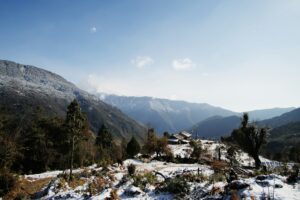
The High Atlas is the most prominent and highest section, located primarily in the atlas mountains morocco region. It includes Mount Toubkal, the highest peak in North Africa, rising to over 4,000 meters. This area is known for its snow-capped peaks, deep gorges, and alpine ecosystems.
Middle Atlas
The Middle Atlas lies further north and is characterized by forested landscapes, cedar trees, and relatively high rainfall compared to surrounding regions. It plays an important ecological role by supporting freshwater systems and diverse wildlife.
Anti-Atlas
The Anti-Atlas is the oldest geological section and lies closer to the edge of the Sahara. In this part of the atlas mountains, the terrain is more arid and rugged, shaped heavily by erosion over time. It forms a transition zone between mountain and desert environments.
Climate and Environmental Influence
The Atlas Mountains significantly influence climate patterns across North Africa. Moist air from the Atlantic Ocean rises when it encounters the mountain slopes, leading to precipitation on the western side. This creates fertile valleys and forests in certain areas of the atlas mountains morocco.
In contrast, the eastern side lies in a rain shadow, contributing to the formation of dry landscapes and the gradual transition toward the Sahara Desert. This stark contrast between wet and dry regions is one of the most striking geographical features of the system.
The altitude variations also create different climate zones. Lower regions experience Mediterranean-type climates, while higher elevations in the Atlas Mountains region can experience snowfall and freezing temperatures in winter.
Biodiversity and Ecosystems
The ecological diversity of the Atlas Mountains is remarkable. The range hosts a wide variety of plant and animal species adapted to different altitudes and climates.
Cedar and oak forests dominate the Middle Atlas, while alpine meadows are found in higher elevations. In the more arid parts of the Atlas Mountains, Morocco, drought-resistant shrubs and grasses are more common.
Wildlife includes species such as Barbary macaques, wild boars, and various bird species. Many of these organisms are endemic, meaning they are found nowhere else in the world. This makes conservation efforts particularly important in the region.
Human Geography and Cultural Importance
Human settlement in the Atlas region dates back thousands of years. Indigenous Berber (Amazigh) communities have lived in the mountains for centuries, adapting their lifestyles to the challenging terrain.
In the atlas mountains morocco areas, villages are often built on steep slopes or in valleys where water is available. Traditional agriculture includes terraced farming, which helps maximize arable land in mountainous conditions.
The mountains also serve as a cultural boundary and refuge, preserving unique languages, traditions, and architectural styles. Many communities maintain a semi-nomadic lifestyle, moving livestock seasonally between high and low elevations.
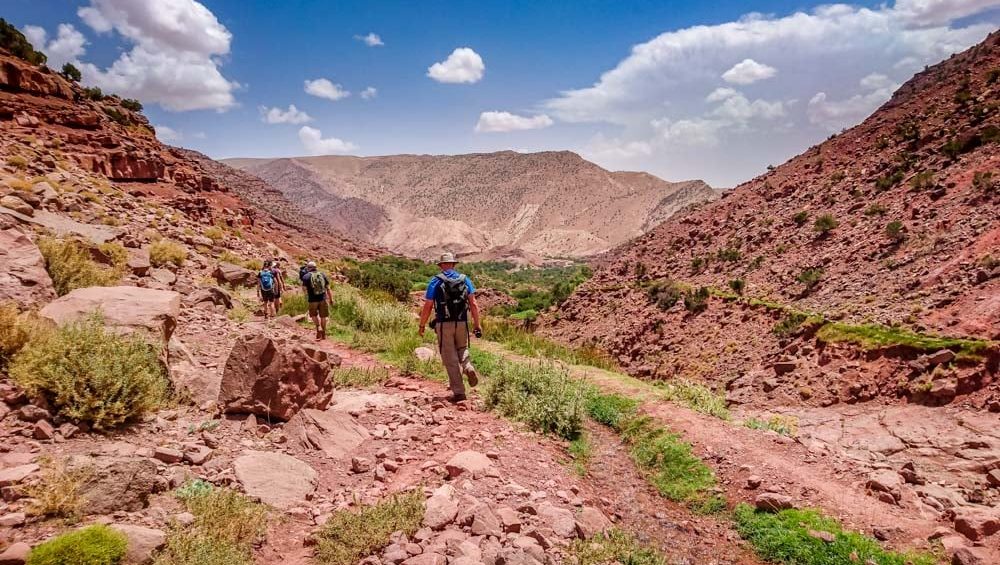
Today, tourism is an increasingly important part of the economy in the Morocco section of the Atlas region. Hiking, trekking, and cultural tourism attract visitors from around the world who are drawn to the dramatic landscapes of the Atlas Mountains.
Economic and Strategic Significance
The Atlas Mountains are not only environmentally important but also economically valuable. They provide water resources through snowmelt and rainfall, feeding rivers that support agriculture in the surrounding lowlands.
Mineral resources such as phosphates and metals are also found in certain areas. In the Atlas Mountains region of Morocco, small-scale mining and agriculture contribute to local economies.
Additionally, the mountains have historically served as natural defense barriers, influencing trade routes and settlement patterns across North Africa. Their strategic importance continues today in terms of infrastructure development and resource management.
Conclusion
The Atlas Mountains represent one of the most fascinating and influential mountain systems in the world. From their tectonic origins to their modern ecological and cultural importance, they shape both the environment and human life across the region.
The atlas mountains morocco landscape, in particular, showcases the full diversity of this system—from snow-covered peaks to arid desert edges near the Sahara Desert. This combination of geological history, ecological richness, and cultural depth makes the Atlas Mountains a vital subject of study and appreciation.