A lot of people hit that point where their knees just start fighting back. Doesn’t always come from some big injury, either. Sometimes it’s age. Old sports damage. Too many stairs at work. Too much sitting, weirdly enough. And somewhere along the line, people start looking for shortcuts that actually help. That’s where the whole knee massager for pain relief thing started getting attention.
Now there’s a fair question behind it. Can these machines actually replace traditional physical therapy? Or is it just another gadget sitting in the corner after two weeks?
Truth is, it’s somewhere in the middle. Not magic. Not useless either.
Why People Are Looking Beyond Traditional Therapy
Physical therapy works. Most doctors still recommend it for a reason. It improves strength, mobility, balance, all the stuff that matters when knees start acting up. But therapy also takes time. And consistency. That part trips people up.
Appointments every week. Driving there. Paying co-pays. Doing exercises nobody enjoys. It gets old fast.
So people look for something easier. More convenient. Something they can use while watching TV at home. A knee massager sounds appealing because of that. Strap it on, push a button, maybe get some relief without rearranging your life.
And honestly, some users do notice a difference pretty quickly. Especially with stiffness and soreness.
What a Knee Massager Actually Does
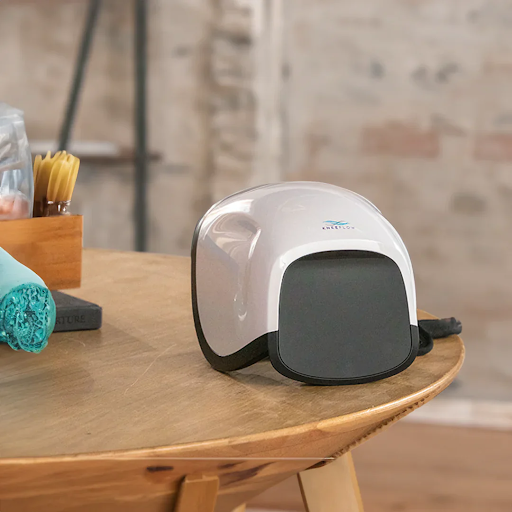
Most modern knee massagers combine a few things together. Heat therapy. Compression. Vibration. Some even throw in red light therapy because apparently every wellness device has red lights now.
The heat part tends to help the most for older joints. Warms the area up and gets blood moving a bit better. Compression can reduce that swollen, tight feeling after standing all day. Vibration helps loosen muscles around the knee, which matters more than people think.
But here’s the important part people skip over: these machines mainly manage symptoms. They don’t rebuild damaged cartilage. They don’t correct serious alignment problems. They’re relief tools, not miracle repairs.
Big difference there.
Can It Replace Physical Therapy Completely?
For mild knee discomfort? Maybe in some cases.
If somebody just has occasional stiffness or overworked joints, a massager could honestly be enough to keep things manageable. Especially if they stay active and don’t ignore basic movement and stretching.
But for actual injuries, post-surgery rehab, arthritis progression, ligament problems… no. That’s where replacing therapy completely gets risky.
A physical therapist does more than reduce pain. They identify weakness patterns. They watch movement. They adjust exercises over time. Machines can’t really do that. At least not yet.
Still, there’s a reason people keep buying these devices. They fill a gap. Therapy sessions might happen twice a week. Pain happens every day.
That’s where home recovery tools make sense.
The Rise of the Knee Pain Massager Machine
The market exploded over the last few years. Some devices are junk, honestly, cheap plastic with flashy ads. Others are surprisingly solid.
A decent knee pain massager machine can help people stay more consistent with recovery because it removes friction. No appointments. No commute. Just use it for 15 or 20 minutes at home.
That convenience matters more than wellness companies admit.
People are more likely to stick with something simple. And when pain levels drop even slightly, movement becomes easier. That creates momentum. Sometimes, small improvements are enough to get someone walking regularly again.
That said, there’s still a tendency to overpromise these products online. Some ads practically act like a heated wrap can reverse years of joint degeneration. It can’t.
If somebody has severe instability or sharp pain while walking, they need an actual medical evaluation. Not another gadget from social media.
Where Knee Massagers Actually Work Best
These devices seem to help most in a few specific situations.
Mild arthritis symptoms. Muscle tightness around the knee. Recovery after long work shifts. General stiffness in older adults. Even athletes sometimes use them after training because heat and compression feel good on overworked joints.
They’re also useful for people who struggle to stay consistent with rehab exercises. A massage session can lower discomfort enough that movement doesn’t feel miserable afterward.
And psychologically, relief matters too. Chronic pain wears people down mentally. If a device helps somebody relax and feel functional again, that has value. Even if it’s not “fixing” the root problem.
Too many conversations around pain management become all-or-nothing. Either a complete cure or total failure. Real life isn’t like that.
The Biggest Limitation Nobody Talks About
Passive treatment can create dependence.
That’s probably the biggest issue with relying only on massage devices. People start chasing temporary relief without improving the actual mechanics, causing pain.
Weak hips. Tight calves. Poor walking patterns. Lack of strength. Excess body weight. Those things still matter.
A knee massager can calm symptoms down. But if the surrounding muscles stay weak, pain usually comes back eventually. Sometimes worse.
Good therapists know this already. Relief first. Strength second. Long-term function after that.
Machines only handle one piece of the puzzle.
So, Are They Worth Buying?
For many people, yeah. Probably.
Especially if expectations stay realistic.
A quality knee massager can absolutely reduce soreness, stiffness, and daily discomfort. It may help someone move more easily and recover faster after activity. For mild pain, it might even reduce the need for frequent therapy visits.
But replacing traditional treatment completely? That depends on the severity of the issue. And honestly, people shouldn’t gamble with serious joint problems just to avoid appointments.
The smarter approach is usually to combine both.
Use therapy to address the underlying cause. Use home tools to manage symptoms between sessions. That balance tends to work better than relying entirely on one thing.
Conclusion
At the end of the day, a knee massager for pain relief isn’t some fake wellness trend, but it’s not a miracle cure either. It sits somewhere in the practical middle. Helpful for daily discomfort. Helpful for recovery. Sometimes enough for mild cases.
But traditional therapy still matters when real structural problems exist.
A good knee pain massager machine can make life easier, though. Less stiffness. Better movement. Maybe fewer bad days. And for a lot of people dealing with chronic knee issues, honestly, that’s already a pretty big win.