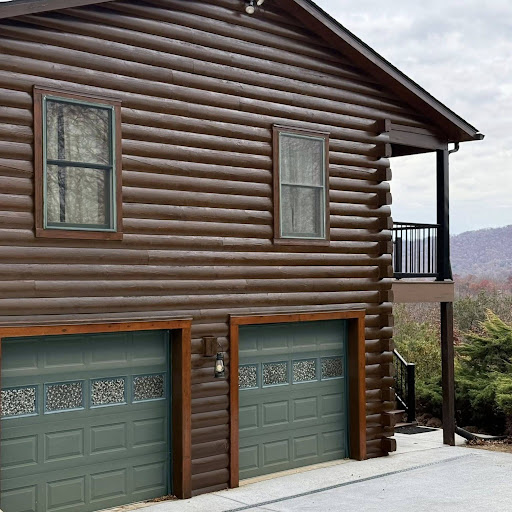
A lot of homeowners don’t think much about the cracks between their logs until something starts going wrong. Drafts. Water stains. Bugs showing up where they shouldn’t. That’s usually when people finally realize how important log house caulking really is. And honestly, by that point, the damage may already be working its way into the wood.
Logs move. That’s just how wood behaves. Heat, cold, moisture, dry air — all of it causes expansion and shrinkage over time. Tiny gaps start forming between logs and around windows or corners. Doesn’t seem like a huge deal at first. But water only needs a small opening. Once moisture gets inside, wood rot starts creeping in slowly, then all at once. Seen it happen plenty of times.
Why Wood Protection Matters More Than People Think
Truth is, log homes take a beating from the weather every single year. Rain hits one side. Sun cooks another. Snow piles up. Humidity settles into the grain. Wood is durable, yeah, but it’s not invincible. Without proper sealing, that exposure wears the structure down little by little.
Caulking acts like a flexible barrier that keeps the outside where it belongs. Water stays out. Cold air stays out. Insects have a harder time getting in too. More importantly, the logs themselves stay healthier for way longer. That matters because replacing damaged logs is expensive. Not “a little repair” expensive either. Sometimes it turns into a full restoration project, and nobody wants that surprise.
Good Caulking Helps Your Cabin Breathe Correctly
This part gets overlooked all the time. People think sealing gaps means trapping everything airtight. That’s not really how quality log caulking works. Good products stay flexible. They move with the wood instead of cracking apart after one rough season.
When the caulking stretches and contracts naturally, moisture isn’t getting trapped inside the walls. That’s huge. Wet wood with nowhere to dry out becomes a breeding ground for mold, mildew, and decay. And once decay starts inside logs, it spreads quietly.
Let’s be real, most homeowners won’t notice internal wood damage until the repair bill lands on the table.
Energy Loss Adds Up Faster Than Expected
Another thing people underestimate is energy loss. Those little gaps between logs? They leak heated air constantly during winter and cool air during summer. You may not notice it day to day, but your utility bills definitely do.
A properly sealed log house feels different inside. More stable. Less drafty. Rooms stay comfortable longer without the HVAC system running nonstop. It’s not magic. It’s just stopping outside air from sneaking through every tiny opening in the structure.
And honestly, older cabins usually suffer the worst here. Some were caulked decades ago with products that dry out hard as concrete. Once that happens, cracks start opening everywhere. You can literally feel cold air sliding through the walls sometimes.
The Right Timing Makes a Huge Difference
Here’s the short answer — don’t wait until you see obvious damage.
That’s probably the biggest mistake cabin owners make. They put off caulking because the house “still looks fine.” Meanwhile moisture has already started working behind the scenes. By the time stains, softness, or rot appear, the repair job gets much bigger.
Fresh caulking applied at the right time protects the home before problems start. Usually after washing, staining, or exterior inspections is the best window to handle it. Especially before harsh winters or rainy seasons roll in.
And no, cheap hardware store caulk usually isn’t enough for log structures. Different material entirely. Log homes need specialty products designed to flex with natural wood movement.
Not All Caulking Jobs Are Equal
A sloppy caulking job can fail fast. That’s the truth.
Some contractors rush through it, fill only visible gaps, and move on. Looks good for six months maybe. Then cracks reopen because the prep work wasn’t done right underneath. Old failing material needs removal sometimes. Surfaces need cleaning. Problem areas need proper depth and application technique.
Good caulking should blend into the cabin naturally while still sealing aggressively against weather. It takes patience more than anything. And experience helps too because every log structure settles differently.
Older handcrafted cabins especially can be unpredictable. Logs shift unevenly. Corners move. Previous repairs create weird surfaces. You can’t treat every home exactly the same.
Weather Damage Usually Starts Small
Most serious wood damage starts quietly. Tiny hairline cracks. A small leak near window trim. A hidden gap under rooflines. Doesn’t look dramatic. But give water enough seasons and it starts eating away at the structure from the inside out.
That’s why preventative work matters so much with log homes. Once rot gets deep into the logs, repairs become invasive and expensive fast. Sometimes sections need replacing entirely. Other times the structural integrity itself becomes questionable.
People see caulking as cosmetic sometimes. It’s really not. It’s part of the home’s defense system. One of the most important parts honestly.
Long-Term Cabin Care Requires Consistency
If you own a log home, maintenance can’t be something you think about every five years. Wood doesn’t work that way. Staying ahead of issues is the whole game. Regular inspections, cleaning, staining, and especially log cabin maintenance all connect together if you want the structure lasting for decades instead of slowly falling apart.
And look, no cabin stays perfect forever. That’s normal. But there’s a big difference between natural aging and preventable damage caused by neglect. Good caulking buys your home time. A lot of it actually. Keeps the logs stronger, drier, and far more resistant to weather abuse year after year.
Conclusion
At the end of the day, protecting a log home is really about stopping small problems before they turn ugly. That’s exactly why log house caulking matters so much. It seals out moisture, reduces air leaks, protects the wood, and helps the entire structure last longer without major repairs sneaking up on you.
Simple truth? A well-caulked cabin stays healthier. And healthier wood means fewer headaches, lower repair costs, and a home that actually holds up the way it was meant to. Ignore the gaps too long though, and eventually the house tells you about it. Usually with a pretty painful invoice attached.