For anyone struggling with loose skin, weakened abdominal muscles, or stubborn fat deposits that simply won’t respond to diet and exercise, a tummy tuck — medically known as abdominoplasty — offers a meaningful, lasting solution. Tummy tuck improves abdominal contours by addressing multiple layers of the abdomen simultaneously, going far deeper than any non-surgical treatment can reach. Tummy Tuck Dubai has become one of the most sought-after procedures for men and women looking to restore a flatter, firmer midsection — and Dynamic Clinic in Dubai is among the recognized names in the region offering this procedure in a professional clinical environment.
What Happens to the Abdomen Over Time?
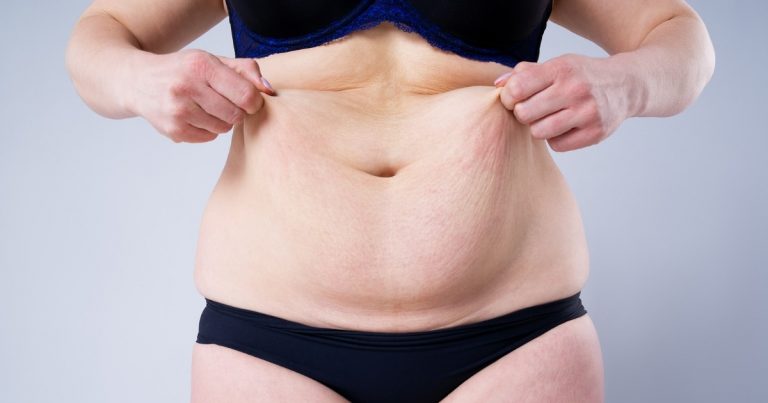
The abdominal area is particularly vulnerable to structural changes caused by pregnancy, significant weight fluctuations, and the natural aging process. These changes affect more than just the surface of the skin — they alter the underlying muscle structure as well.
Key changes that affect abdominal contours include:
- Diastasis recti — the separation of the rectus abdominis muscles along the midline, which causes the belly to protrude even in lean individuals
- Excess skin laxity — stretched skin that loses elasticity and cannot retract after weight loss or childbirth
- Stubborn subcutaneous fat — fat deposits in the lower abdomen that resist even consistent exercise
- Weakened fascial tissue — the connective tissue supporting the abdominal wall becomes stretched and ineffective over time
No amount of core training or targeted exercise can correct these issues once the structural integrity of the abdomen has been compromised at the tissue level.
How a Tummy Tuck Reshapes the Abdomen
Abdominoplasty works across three distinct anatomical layers to produce a comprehensive improvement in abdominal contours.
1. Muscle Repair and Tightening
One of the most significant — and often overlooked — aspects of a tummy tuck is the repair of diastasis recti. During the procedure, the separated abdominal muscles are drawn back together and sutured along the midline. This restores the natural corset-like function of the core and creates a noticeably flatter profile, even before addressing the skin or fat layer.
2. Removal of Excess Skin
After pregnancy or major weight loss, the lower abdominal skin often becomes permanently stretched. A tummy tuck involves excising this redundant skin, particularly in the area below the navel. The remaining skin is then re-draped smoothly over the newly tightened muscular foundation, eliminating the fold or overhang that many patients find distressing.
3. Fat Contouring
In many cases, liposuction is performed in conjunction with the abdominoplasty to remove localized fat deposits from the flanks, upper abdomen, or hip area. This combination approach ensures a more sculpted and proportionate result rather than simply flattening the midsection without addressing surrounding contours.
Different Types of Tummy Tuck Procedures
Not all tummy tuck procedures are identical. The extent of correction depends on the degree of anatomical change a patient presents with.
| Procedure Type | Best Suited For |
|---|---|
| Mini Tummy Tuck | Mild skin laxity below the navel; minimal muscle involvement |
| Full Abdominoplasty | Significant skin excess, muscle separation, and fat deposits |
| Extended Tummy Tuck | Patients with excess skin extending to the flanks or lower back |
| Fleur-de-lis Abdominoplasty | Vertical and horizontal skin laxity following massive weight loss |
Each approach targets abdominal contours differently, and the choice is made based on individual anatomy, not a one-size-fits-all template.
The Role of the Belly Button in Final Aesthetics
A detail that dramatically affects the natural appearance of results is the repositioning of the umbilicus (belly button). During a full tummy tuck, the navel is not removed — it is carefully detached from the surrounding skin, preserved on its stalk, and reinserted through a new opening at an anatomically appropriate position after the skin has been re-draped. This step is critical to achieving a result that looks natural rather than surgically altered.
Ideal Candidates for the Procedure
A tummy tuck is not a weight-loss tool — it is a body contouring procedure. The best outcomes are achieved in individuals who:
- Are at or near their stable goal weight
- Have completed their family planning (particularly relevant for women)
- Are non-smokers or willing to cease smoking well before and after surgery
- Have realistic expectations about what the procedure can and cannot achieve
- Are in good general health without conditions that impair wound healing
Recovery and Long-Term Results
The recovery period following abdominoplasty typically involves several weeks of reduced activity, with most patients returning to light daily routines within two to three weeks and more physically demanding activities after six weeks. Compression garments are worn during the early recovery phase to support the healing tissues and reduce swelling.
Long-term results are considered durable, particularly when patients maintain a stable weight post-operatively. The muscle repair performed during the procedure does not reverse on its own, and the removed skin does not return — making this one of the more permanent body contouring options available.
Frequently Asked Questions (FAQs)
Q: Does a tummy tuck only address the skin, or does it also fix the muscles? A: A full abdominoplasty addresses both. The procedure tightens separated abdominal muscles (diastasis recti) and removes excess skin, which is why results appear significantly flatter than what surface-level treatments can achieve.
Q: Can a tummy tuck be combined with other procedures? A: Yes. It is commonly combined with liposuction to contour surrounding areas, and in some cases with breast procedures as part of a mommy makeover. Combining procedures is done within safe surgical parameters.
Q: Will the results last permanently? A: The structural changes — muscle repair and skin removal — are permanent. However, significant weight gain or future pregnancies can affect the outcome. Maintaining a stable weight is key to preserving long-term results.
Q: Is the scar from a tummy tuck very noticeable? A: The incision is placed low on the abdomen, typically within the bikini line, so it can be concealed beneath underwear or swimwear. Scar appearance improves significantly over 12 to 18 months with proper aftercare.
Q: How is a tummy tuck different from liposuction alone? A: Liposuction removes fat but does not address skin laxity or muscle separation. A tummy tuck treats all three components — fat, skin, and muscle — making it more appropriate for patients with post-pregnancy or post-weight-loss changes.
Q: Is a tummy tuck suitable for men? A: Absolutely. Men who have experienced significant weight loss or have developed skin laxity and abdominal wall weakness are equally good candidates for the procedure.
Conclusion
A tummy tuck improves abdominal contours by working at every level of the abdominal wall — repairing separated muscles, removing redundant skin, and contouring residual fat to create a result that is both structurally sound and aesthetically refined. For those living in the UAE, Tummy Tuck Dubai has become a well-established option for individuals seeking a meaningful, long-lasting improvement in their midsection — particularly following life events like pregnancy or major weight loss that leave conventional fitness methods unable to deliver the results patients are looking for.