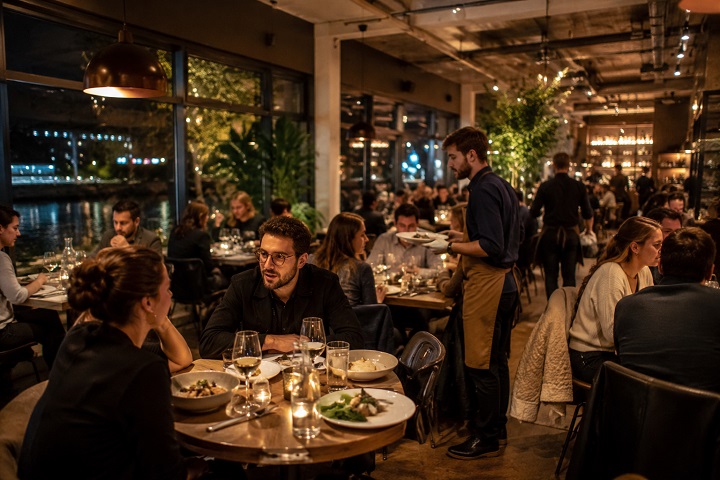
Restaurant Marketing Trends That Shape Local Dining
A crowded dining room often starts long before the first customer walks through the door. It begins with a quick online search, a glance at reviews, or a late-night scroll through social media. Modern diners rarely make random decisions anymore. They compare menus, check photos, and judge credibility within seconds.
That shift has quietly changed how restaurants grow.
Many restaurant owners once believed good food alone guaranteed loyal customers. While quality still matters, visibility now shapes customer behavior just as much as flavor. A hidden restaurant with incredible food may struggle, while a highly visible competitor can dominate local attention before anyone tastes a single dish.
This is where restaurant marketing has evolved into something far more psychological than promotional.
Why Local Search Shapes Restaurant Decisions
Most dining searches happen with immediate intent. People search phrases like best brunch nearby or family restaurant in Bristol because they are ready to visit soon. Search engines recognize this urgency and prioritize businesses with strong local relevance.
Restaurants that consistently appear in local search results often share several traits:
- Accurate business information
- Updated Google Business Profiles
- Consistent customer reviews
- Location-focused website content
- Mobile-friendly browsing experiences
Search visibility is no longer just about ranking higher. It is about appearing trustworthy at the exact moment customers are deciding where to eat.
Digital Growth Strategies for Restaurants
Restaurant websites once acted like digital brochures. Today, they function more like customer experience platforms.
A slow website, outdated menu, or confusing layout can quietly reduce reservations. On the other hand, restaurants that invest in user experience often keep visitors engaged longer and encourage direct bookings.
Several digital trends are influencing customer behavior:
- Mobile First Browsing
Most restaurant searches happen on phones. Diners expect fast-loading pages, clickable directions, and simple menu navigation. If users struggle to find information quickly, they often leave within seconds.
- Visual Trust Signals
Food photography now influences perception before customers visit. Clear images, authentic interior photos, and real customer experiences create familiarity. Restaurants that look active and welcoming online tend to gain more engagement.
- Localized Content
Search engines favor relevance. Restaurants publishing locally focused blog content, seasonal updates, or neighborhood guides often strengthen their regional visibility naturally.
The Growing Role of Google Maps Visibility
Google Maps has become one of the strongest discovery tools for restaurants. In many cases, customers never even visit a website before making a decision.
Restaurants appearing in the top map listings usually benefit from:
- Positive review frequency
- Accurate opening hours
- High-quality images
- Regular customer engagement
- Strong proximity relevance
Interestingly, customer reviews now influence more than rankings. They shape emotional trust. A restaurant with detailed, genuine reviews often feels safer and more appealing to new visitors.
This creates a cycle where customer experience and digital visibility continuously support one another.
Social Media Has Shifted From Promotion to Discovery
Restaurant social media once focused heavily on advertisements and discounts. That approach is becoming less effective.
Today, platforms like Instagram and TikTok function more like discovery engines. Diners are drawn toward atmosphere, storytelling, and authenticity rather than direct promotion.
Short videos showing behind-the-scenes preparation, chef interactions, or customer reactions often perform better than polished advertisements.
People increasingly choose restaurants based on how a place feels online.
This emotional connection matters because dining is rarely just about food. It is connected to mood, identity, and social experience.
How Customer Data Quietly Improves Marketing
Restaurants now have access to insights that were difficult to measure years ago. Reservation systems, online orders, and customer interactions provide patterns that help businesses understand behavior more clearly.
For example, restaurants may discover:
- Which menu items attract repeat orders
- What times generate the highest engagement
- Which promotions increase bookings
- How seasonal trends affect traffic
These insights allow restaurants to make smarter decisions without relying purely on guesswork.
Smaller restaurants especially benefit from this because targeted improvements often outperform expensive advertising campaigns.
The Balance Between SEO and Real Experience
Some businesses focus heavily on visibility while ignoring customer experience. Others prioritize service but neglect online presence.
The strongest restaurant marketing strategies combine both.
Search engines increasingly reward businesses that demonstrate genuine customer satisfaction. Strong reviews, repeat visits, and authentic engagement create signals that algorithms recognize over time.
This means sustainable visibility often comes from real operational quality rather than shortcuts.
That shift is important because customers have become exceptionally good at spotting inconsistency.
FAQs
What is restaurant SEO?
Restaurant SEO helps restaurants appear in search engine results when people search for dining options, menus, or local food experiences online.
Why is local SEO important for restaurants?
Local SEO improves visibility for nearby searches, helping restaurants attract customers who are actively looking for places to eat in their area.
How can restaurants rank higher on Google Maps?
Restaurants improve Google Maps rankings by maintaining accurate business information, collecting customer reviews, and updating photos regularly.
Does social media help restaurant growth?
Yes. Social media increases brand visibility, builds customer trust, and helps restaurants connect with local audiences through visual content and engagement.
Are restaurant marketing agencies useful for small businesses?
Many restaurants work with agencies for guidance on SEO, content, and local visibility. In the UK, companies like 6Stars Restaurant are part of a growing industry focused on digital restaurant growth.
Conclusion
The most interesting part of restaurant marketing is that customers rarely notice it when it works well.
They simply feel drawn toward a place.
A familiar review, a well-timed search result, or an inviting photo quietly shapes their decision before hunger fully does. In many ways, modern restaurant success is no longer built only inside the kitchen. It is built in the small digital moments that happen before a table is ever booked.