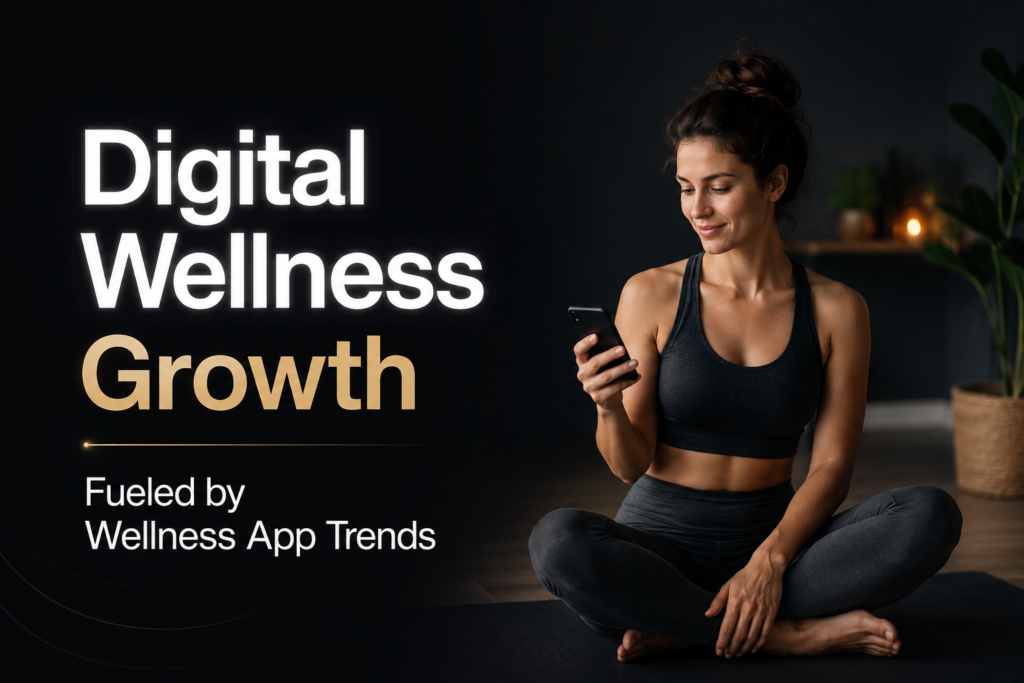
The digital wellness industry is moving faster than ever as consumers actively search for healthier and more balanced lifestyles. Mobile platforms focused on fitness, mindfulness, nutrition, sleep management and preventive healthcare are becoming part of everyday routines. Businesses entering the wellness space are recognizing the value of technology-driven experiences that simplify health management while improving user engagement.
Growing smartphone adoption and wearable device usage have created strong momentum for wellness app development across healthcare, fitness and lifestyle sectors. Companies are no longer developing basic tracking applications alone. Modern wellness platforms are expected to deliver intelligent insights, interactive experiences and highly personalized wellness journeys.
Users now prefer applications that understand their routines, provide actionable recommendations and support long-term wellness goals without adding complexity to their daily lives.
Consumer Expectations Are Reshaping Wellness Platforms
Wellness users want more than standard activity tracking. Personalized interactions have become a major factor influencing app adoption and retention. Applications capable of adapting to individual habits and preferences often achieve stronger engagement rates.
Digital wellness platforms are increasingly integrating features such as:
- Personalized fitness recommendations
- AI-driven meal suggestions
- Guided meditation experiences
- Sleep quality analysis
- Daily wellness reminders
- Real-time activity monitoring
Customized wellness journeys help users feel more connected to applications, improving long-term usage and customer loyalty.
Businesses investing in advanced mobile wellness solutions are also improving customer satisfaction by delivering experiences aligned with user goals instead of offering generic functionality.
Wearable Integration Strengthening User Engagement
Wearable technology has become one of the strongest contributors to wellness application growth. Smartwatches, fitness trackers and biometric monitoring devices continuously generate health-related insights that enhance the value of digital wellness platforms.
The ability to sync real-time data allows users to monitor wellness activities more accurately while maintaining consistency in their health routines.
Popular Wearable-Driven Features
Live Fitness Tracking
Users can monitor workouts, calorie burn, movement patterns and physical activity levels directly through connected devices.
Health Monitoring Capabilities
Advanced wellness applications support heart rate tracking, blood oxygen analysis, hydration monitoring and sleep cycle evaluations.
Instant Progress Insights
Real-time analytics improve user motivation by showing measurable wellness improvements and milestone achievements.
Businesses focusing on wearable-enabled wellness app development often build stronger user engagement because applications become deeply connected to daily habits and routines.
AI Creating Smarter Wellness Experiences
Artificial intelligence is transforming how wellness applications interact with users. Intelligent automation helps platforms deliver faster recommendations, smarter insights and more personalized experiences.
AI-powered wellness ecosystems can analyze user behavior, health patterns and activity trends to provide targeted wellness suggestions. These systems also reduce manual effort by automating routine tracking and progress monitoring.
Modern applications are increasingly using AI for:
- Virtual wellness coaching
- Mood tracking analysis
- Smart fitness recommendations
- Behavioral wellness insights
- Automated progress reports
- Symptom monitoring support
Machine learning capabilities improve the accuracy of wellness recommendations over time, allowing applications to become more responsive to individual user needs.
The integration of AI also improves operational efficiency for businesses by streamlining support systems and automating repetitive wellness processes.
Mental Wellness Applications Seeing Massive Adoption
Mental wellness has become a major focus area within the digital health ecosystem. Rising stress levels, demanding work schedules and increased awareness around emotional health have encouraged consumers to adopt digital mental wellness solutions.
Meditation platforms, mindfulness applications, therapy support tools and emotional wellness trackers are gaining popularity among users of different age groups.
Key Features Supporting Mental Wellness
Guided Relaxation Sessions
Audio-based meditation and breathing exercises help users reduce stress and improve focus.
Mood Monitoring Tools
Daily emotional tracking features allow users to identify behavioral patterns and mental wellness triggers.
Personalized Wellness Support
Applications can recommend mindfulness activities, journaling exercises and calming routines based on user preferences.
The convenience of mobile accessibility makes digital mental wellness platforms attractive for users seeking flexible wellness support without location restrictions.
Data Privacy Influencing User Trust
Security remains a critical component of successful wellness applications. Users share highly sensitive personal information through health and wellness platforms, making cybersecurity a top priority for businesses.
Modern wellness app development strategies focus heavily on secure infrastructure and compliance-driven systems to protect user data.
Applications now commonly include:
- Encrypted data storage
- Secure cloud integration
- Multi-factor authentication
- Privacy-focused architecture
- Regulatory compliance systems
- Controlled access management
Strong data protection frameworks help businesses improve customer confidence while reducing cybersecurity risks.
Wellness brands capable of maintaining secure digital environments often gain stronger credibility in highly competitive wellness markets.
User Experience Driving App Retention
The success of a wellness platform depends heavily on usability and interface quality. Consumers prefer applications that provide smooth navigation, fast performance and visually engaging experiences without unnecessary complications.
Minimalistic layouts and intuitive dashboards improve accessibility for users across different age groups and technical skill levels.
Important UX Priorities for Wellness Apps
Seamless Navigation
Clear menu structures and simplified workflows improve user convenience and reduce frustration.
Personalized Dashboards
Custom wellness summaries help users track goals, achievements and daily health activities more efficiently.
Multi-Device Compatibility
Applications functioning consistently across smartphones, tablets and wearable devices improve overall accessibility.
Businesses emphasizing user-centered design often achieve better retention rates because users are more likely to continue using applications that feel effortless and rewarding.
Corporate Wellness Platforms Expanding Across Industries
Organizations are increasingly adopting digital wellness technologies to support employee well-being and workplace productivity. Corporate wellness initiatives are becoming essential as businesses focus more on workforce health and engagement.
Digital wellness platforms designed for enterprises commonly include fitness programs, stress management tools, mental wellness resources and productivity tracking systems.
Employers integrating wellness technologies often benefit from:
- Improved employee engagement
- Better workplace satisfaction
- Reduced burnout risks
- Lower absenteeism levels
- Enhanced productivity metrics
Enterprise-focused wellness app development continues to grow because companies now view employee wellness as a long-term business strategy rather than a temporary initiative.
Emerging Technologies Shaping the Future of Wellness
The future of digital wellness will continue evolving through advanced technologies that improve personalization and immersive experiences. Augmented reality, virtual reality, blockchain systems and predictive analytics are expected to influence the next generation of wellness platforms.
AR-powered workout experiences, VR meditation environments and decentralized wellness data systems may redefine how users interact with digital health ecosystems.
Voice-enabled assistants and hyper-personalized wellness platforms are also expected to become more common as businesses focus on creating highly connected wellness experiences.
Companies investing early in innovation-focused wellness solutions may gain long-term competitive advantages while building stronger customer loyalty in rapidly growing digital wellness markets.
Conclusion
Digital wellness growth is accelerating as consumers prioritize healthier routines and accessible health management solutions. Businesses across healthcare, fitness, lifestyle and enterprise industries are investing in intelligent wellness technologies to improve user experiences and customer engagement.
AI integration, wearable connectivity, personalized wellness journeys and secure infrastructure are reshaping the future of wellness app development. Applications capable of delivering seamless, data-driven and user-focused experiences are likely to remain ahead in increasingly competitive markets.
As digital wellness adoption continues expanding globally, businesses developing scalable and innovation-driven wellness platforms will be better positioned to capture long-term market opportunities.
FAQs
What makes wellness applications different from traditional fitness apps?
Wellness applications often combine fitness tracking, mental wellness support, nutrition management, sleep analysis and preventive healthcare features within a single platform.
Can AI improve user engagement in wellness applications?
Yes, AI helps deliver personalized recommendations, automated tracking, predictive wellness insights and smarter user interactions that improve long-term engagement.
Why is wearable integration important in digital wellness?
Wearable integration allows applications to collect real-time health data, improve tracking accuracy and create more personalized wellness experiences.
Are wellness applications suitable for corporate environments?
Many businesses use wellness platforms to support employee mental health, fitness engagement, stress management and workplace productivity improvement programs.
Which industries are investing most in wellness app development?
Healthcare providers, fitness brands, lifestyle companies, insurance firms and enterprise organizations are among the leading industries investing in digital wellness technologies.