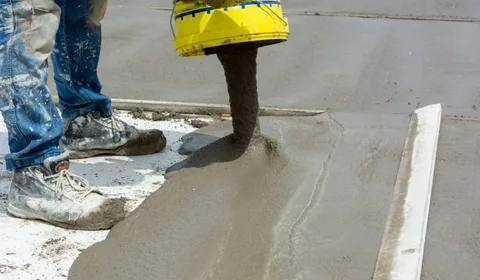
Concrete is one of the most important construction materials used worldwide. From homes and commercial buildings to bridges and highways, concrete provides the strength and durability needed for long-lasting structures. However, modern construction projects often require concrete to perform beyond the capabilities of a basic mix of cement, water, and aggregates.
This is where admixtures become valuable. Admixtures are specially formulated materials added to concrete before or during mixing to improve specific properties. They can enhance workability, increase strength, reduce water demand, accelerate or slow setting times, and improve durability.
As construction standards continue to evolve, admixtures have become essential components in many concrete applications. Understanding how they work and why they are used can help builders, contractors, engineers, and project managers achieve better results while maintaining efficiency and quality.
Understanding Concrete Admixtures
Many people ask, what is a concrete admixture and why is it important in modern construction?
A concrete admixture is a material added to the concrete mix in small quantities to modify its fresh or hardened properties. These materials are carefully designed to improve performance characteristics that cannot easily be achieved through conventional mix designs alone.
Admixtures are commonly used to:
- Improve workability
- Increase strength
- Enhance durability
- Reduce water requirements
- Control setting times
- Improve resistance to harsh environments
- Reduce cracking
- Enhance finishing quality
The use of admixtures allows engineers to customize concrete for specific project requirements while maintaining consistency and quality.
Why Admixtures Are Important in Modern Construction
Construction projects today face numerous challenges that traditional concrete mixtures may not adequately address.
These challenges include:
- Extreme weather conditions
- Faster construction schedules
- Higher strength requirements
- Sustainability goals
- Complex structural designs
- Long transportation distances
Admixtures help overcome these obstacles by improving concrete performance in ways that would otherwise be difficult or costly to achieve.
For example, a high-rise building may require concrete that remains workable during pumping while still achieving exceptional compressive strength. Admixtures make this possible.
Types of Concrete Admixtures
Several categories of admixtures are available, each designed for a specific purpose.
Water-Reducing Admixtures
Water reducers improve workability while reducing the amount of water needed in the mix.
Benefits include:
- Higher strength
- Better durability
- Improved finish quality
- Reduced permeability
These admixtures are commonly used in residential, commercial, and infrastructure projects.
High-Range Water Reducers
Often referred to as superplasticizers, these admixtures significantly improve flow without increasing water content.
Applications include:
- Self-consolidating concrete
- High-strength concrete
- Large infrastructure projects
- Precast concrete manufacturing
Accelerating Admixtures
Accelerators speed up the hydration process and allow concrete to gain strength more quickly.
Common uses include:
- Cold weather construction
- Fast-track projects
- Repair work
Retarding Admixtures
Retarders slow the setting process, providing additional working time.
They are especially useful when:
- Temperatures are high
- Concrete must travel long distances
- Large pours require extended placement periods
Air-Entraining Admixtures
These products introduce microscopic air bubbles into the concrete.
Benefits include:
- Improved freeze-thaw resistance
- Better durability
- Reduced scaling
Air-entrained concrete is widely used in regions experiencing harsh winters.
Shrinkage-Reducing Admixtures
These admixtures help minimize drying shrinkage and reduce the likelihood of cracking.
They are particularly valuable for:
- Large slabs
- Industrial floors
- Water-retaining structures
How Chemical Admixtures Improve Strength
Strength is one of the most important characteristics of concrete.
The proper use of concrete admixture chemical solutions can significantly improve both early-age and long-term strength development.
Several mechanisms contribute to strength enhancement:
Lower Water-Cement Ratio
Water-reducing admixtures allow less water to be used while maintaining workability.
Lower water content results in:
- Denser concrete
- Reduced porosity
- Increased compressive strength
Improved Cement Dispersion
Chemical admixtures help distribute cement particles more evenly throughout the mix.
This improves hydration efficiency and allows greater strength development.
Enhanced Bonding
Some admixtures improve the bond between cement paste and aggregates, creating a stronger overall structure.
Reduced Voids
By improving workability and consolidation, admixtures help eliminate trapped air and voids that can weaken concrete.
Benefits of Using Admixtures
The advantages of admixtures extend far beyond strength enhancement.
Improved Workability
Concrete becomes easier to mix, transport, place, and finish.
This helps reduce labor requirements and placement difficulties.
Greater Durability
Admixtures can improve resistance to:
- Moisture penetration
- Sulfate attack
- Chloride exposure
- Freeze-thaw cycles
Faster Construction
Accelerating admixtures allow projects to move forward more quickly by reducing waiting times between construction phases.
Better Surface Finish
Improved flow characteristics contribute to smoother and more consistent concrete surfaces.
Reduced Material Costs
Some admixtures allow lower cement usage while maintaining desired performance levels.
Sustainability Benefits
By reducing cement demand and extending service life, admixtures contribute to more sustainable construction practices.
Common Applications of Concrete Admixtures
Admixtures are used in virtually every sector of the construction industry.
Residential Construction
Applications include:
- Foundations
- Driveways
- Sidewalks
- Basement walls
Commercial Buildings
Admixtures help improve:
- Pumpability
- Strength
- Surface quality
- Durability
Infrastructure Projects
Examples include:
- Bridges
- Highways
- Tunnels
- Airports
Industrial Facilities
Industrial structures often require concrete capable of withstanding:
- Heavy equipment loads
- Chemical exposure
- Continuous operational stress
Precast Concrete
Manufacturers use admixtures to:
- Speed production
- Improve quality
- Enhance durability
Selecting the Right Admixture
Choosing the correct admixture depends on project requirements.
Factors to consider include:
Environmental Conditions
Temperature, humidity, and exposure conditions influence admixture selection.
Strength Requirements
Projects requiring high compressive strength may benefit from advanced water-reducing technologies.
Placement Method
Pumping, pouring, or self-consolidating applications may require specific admixture combinations.
Construction Schedule
Fast-track projects often use accelerating admixtures to shorten construction timelines.
Budget Considerations
Although admixtures add initial cost, they frequently reduce overall project expenses through improved performance and reduced maintenance.
Best Practices When Using Admixtures
Proper usage is critical for achieving desired results.
Follow Manufacturer Guidelines
Always follow recommended dosage rates and application instructions.
Conduct Trial Mixes
Testing helps verify compatibility and performance before large-scale use.
Monitor Quality Control
Consistent batching procedures help ensure predictable outcomes.
Consider Compatibility
Not all admixtures work well together. Compatibility testing is essential when using multiple products.
Train Personnel
Construction teams should understand how admixtures affect concrete behavior and placement procedures.
Common Misconceptions About Admixtures
Several myths continue to circulate within the construction industry.
Admixtures Replace Quality Materials
Admixtures enhance performance but cannot compensate for poor-quality cement or aggregates.
More Admixture Means Better Performance
Excessive dosages can create undesirable effects and reduce overall concrete quality.
Admixtures Are Only for Large Projects
Projects of all sizes can benefit from admixture technology.
Admixtures Are Too Expensive
In many cases, improved durability, reduced repairs, and increased efficiency offset the initial investment.
Future Trends in Concrete Admixture Technology
The construction industry continues to evolve rapidly.
Emerging innovations include:
- Advanced polymer systems
- Smart admixture technologies
- Low-carbon concrete solutions
- Enhanced durability formulations
- Sustainable material integration
These developments are helping engineers create stronger, more efficient, and environmentally responsible concrete structures.
Conclusion
Concrete admixtures have transformed modern construction by providing solutions to challenges that traditional concrete mixes cannot easily overcome. Whether the goal is increased strength, improved workability, greater durability, or faster construction, admixtures offer valuable performance enhancements.
By understanding the different types of admixtures and their applications, builders and engineers can optimize concrete performance for specific project requirements. As construction demands continue to increase, admixtures will remain essential tools for producing high-quality concrete structures that stand the test of time.
Frequently Asked Questions
What is the purpose of a concrete admixture?
A concrete admixture is used to modify specific properties of concrete, such as strength, workability, durability, and setting time.
Are admixtures necessary for every concrete project?
Not every project requires admixtures, but many modern construction applications benefit significantly from their use.
Do admixtures increase concrete strength?
Many admixtures can improve strength by reducing water demand and enhancing cement hydration.
Can multiple admixtures be used together?
Yes, but compatibility testing is important to ensure they work effectively without causing unintended effects.
Are admixtures environmentally friendly?
Many modern admixtures support sustainability by reducing cement consumption and extending concrete service life.
How are admixtures added to concrete?
Most admixtures are added during the mixing process according to manufacturer recommendations and project specifications.
Final Words
Concrete admixtures have become an essential part of modern construction. They provide builders and engineers with the flexibility to tailor concrete performance to meet specific structural, environmental, and operational requirements. Whether improving strength, enhancing durability, or increasing workability, admixtures help create safer, longer-lasting, and more efficient structures. Understanding their role and applying them correctly can significantly improve the quality and success of construction projects of any size.