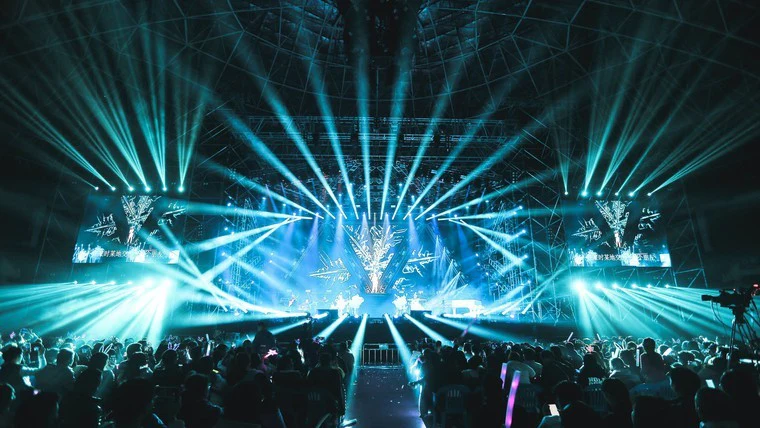
Stage lighting plays a vital role in creating the atmosphere and visual impact of any theatrical performance. In a small theater, every detail matters because audience members are often closer to the stage and more likely to notice distractions. One commonly overlooked issue is the noise generated by cooling systems used in stage lighting fixtures.
Modern stage lights generate heat during operation, especially when used for extended performances. Without proper cooling, lighting equipment can overheat, reducing performance and shortening its lifespan. However, cooling systems that are too loud can interfere with dialogue, music, and audience immersion.
Selecting a quiet cooling system for stage lights requires balancing effective heat management with low noise output. This guide explains everything theater owners, technicians, and production teams need to know when choosing the right cooling solution.
Why Cooling Systems Matter in Small Theater Lighting
Heat management is essential for maintaining lighting performance and protecting expensive equipment. Stage lights often operate for several hours during rehearsals, performances, and technical tests.
A reliable cooling system helps:
- Prevent overheating
- Extend fixture lifespan
- Maintain consistent brightness
- Reduce maintenance costs
- Improve overall system reliability
When designing lighting for small stage productions, selecting fixtures with efficient cooling mechanisms becomes especially important because noise can easily travel throughout compact theater spaces.
In smaller venues, audience members are usually closer to the performance area, making even minor equipment noise noticeable.
Understanding How Stage Light Cooling Systems Work
Different lighting fixtures use various cooling methods to control internal temperatures.
Active Cooling Systems
Active cooling uses fans to move air through the fixture and dissipate heat.
Advantages include:
- Effective heat removal
- Suitable for high-output fixtures
- Consistent temperature control
Potential disadvantages include:
- Fan noise
- Dust accumulation
- Additional maintenance requirements
Passive Cooling Systems
Passive cooling relies on heat sinks and fixture design instead of moving parts.
Benefits include:
- Silent operation
- Lower maintenance
- Increased reliability
However, passive systems may not be suitable for fixtures that generate significant heat.
Hybrid Cooling Systems
Many modern lighting fixtures combine active and passive cooling methods.
This approach allows:
- Improved cooling efficiency
- Reduced fan speed
- Lower operating noise
Hybrid systems are often ideal for small theater environments.
Evaluating Noise Levels Before Purchase
One of the most important factors when selecting a cooling system is understanding its noise output.
Manufacturers often provide noise ratings measured in decibels (dB).
General guidelines include:
- Under 20 dB: Nearly silent
- 20–30 dB: Very quiet
- 30–40 dB: Noticeable but acceptable
- Above 40 dB: Potentially distracting in small theaters
Whenever possible, test fixtures in person or review independent performance evaluations before making purchasing decisions.
Pay attention to:
- Fan startup noise
- Continuous operation sound
- Noise fluctuations
- Vibration levels
Even a low average noise rating can become distracting if the sound characteristics are inconsistent.
Choosing Fixtures Based on Theater Requirements
Not all stage lights require identical cooling solutions.
Different stage lighting types generate varying amounts of heat depending on their design and intended use.
LED Fixtures
LED fixtures have become the preferred choice for many theaters because they produce less heat than traditional lighting technologies.
Advantages include:
- Lower power consumption
- Reduced cooling requirements
- Longer lifespan
- Quieter operation
Moving Head Fixtures
Moving lights often require active cooling due to their complex internal components.
Look for models featuring:
- Variable-speed fans
- Intelligent cooling controls
- Quiet operation modes
Spotlights and Profile Fixtures
These fixtures may generate more heat depending on output levels.
Evaluate:
- Cooling efficiency
- Noise specifications
- Fixture placement options
Selecting the right fixture type can significantly reduce cooling-related noise.
Key Features to Look for in Quiet Cooling Systems
Modern lighting manufacturers continue developing technologies that reduce cooling noise while maintaining performance.
Variable-Speed Fans
Variable-speed fans adjust automatically based on fixture temperature.
Benefits include:
- Reduced noise during low-demand operation
- Improved energy efficiency
- Extended fan lifespan
Intelligent Thermal Management
Advanced thermal management systems monitor temperatures and optimize cooling performance.
These systems can:
- Reduce unnecessary fan activity
- Improve reliability
- Minimize noise output
Large, Low-Speed Fans
Larger fans often move the same amount of air as smaller fans while operating at lower speeds.
Advantages include:
- Quieter operation
- Reduced vibration
- Better airflow distribution
High-Quality Bearings
Premium fan bearings contribute to quieter and more reliable operation.
Look for:
- Fluid dynamic bearings
- Magnetic bearings
- Long-life bearing designs
Higher-quality components often justify their additional cost through improved performance.
Theater Acoustics and Cooling Noise
A theater’s acoustic design affects how cooling system noise is perceived.
In small theaters:
- Sound reflections may amplify equipment noise
- Quiet scenes make background sounds more noticeable
- Audience proximity increases sensitivity to distractions
Before installation, evaluate:
- Fixture location
- Ceiling height
- Reflective surfaces
- Audience seating arrangements
Acoustic considerations should influence both fixture selection and positioning.
Strategic Fixture Placement
Even quiet cooling systems can become noticeable if fixtures are placed incorrectly.
Increase Distance from Audience
Whenever possible, position fixtures farther from seating areas.
Use Overhead Mounting
Mounting fixtures above audience sightlines can reduce perceived noise.
Avoid Direct Sound Paths
Position fixtures so fan noise is not directed toward audience seating.
Separate Sensitive Areas
Keep noisier fixtures away from:
- Front-row seating
- Recording equipment
- Stage microphones
Proper placement often reduces perceived noise more effectively than purchasing new equipment.
Maintenance and Long-Term Noise Control
Cooling systems require regular maintenance to remain quiet and efficient.
Clean Air Vents
Dust buildup restricts airflow and forces fans to work harder.
Regular cleaning helps maintain:
- Cooling efficiency
- Low noise levels
- Fixture longevity
Inspect Fan Components
Check periodically for:
- Worn bearings
- Loose components
- Damaged blades
Early detection prevents larger problems later.
Follow Manufacturer Guidelines
Routine maintenance schedules help preserve performance and reliability.
Ignoring maintenance can cause even premium cooling systems to become noisy over time.
Comparing Fanless and Fan-Cooled Fixtures
Many theater managers debate whether fanless fixtures are worth the investment.
Fanless Fixtures
Pros:
- Silent operation
- Minimal maintenance
- High reliability
Cons:
- Limited output capabilities
- Potentially higher purchase costs
Fan-Cooled Fixtures
Pros:
- Greater brightness
- Better thermal control
- Wider product selection
Cons:
- Potential noise generation
- Additional maintenance requirements
The best option depends on theater size, production requirements, and budget.
Helpful Tips for Selecting Quiet Cooling Systems
- Prioritize LED fixtures whenever possible.
- Request noise specifications from manufacturers.
- Test fixtures before purchasing large quantities.
- Choose variable-speed cooling technology.
- Consider hybrid cooling designs.
- Schedule regular maintenance.
- Evaluate theater acoustics before installation.
- Select reputable lighting brands with proven reliability.
- Keep spare cooling components available.
- Monitor fixture temperatures during extended performances.
These practices help maintain both excellent lighting performance and audience comfort.
Heading Ideas for Similar Topics
- Best Silent Cooling Solutions for Theater Lighting
- How to Reduce Noise from Stage Lighting Equipment
- Choosing Low-Noise LED Fixtures for Small Venues
- Theater Lighting Maintenance Tips
- Understanding Cooling Technologies in Modern Stage Lights
- Quiet Equipment Strategies for Performing Arts Centers
- How LED Lighting Improves Theater Acoustics
- Stage Lighting System Design for Small Theaters
Frequently Asked Questions
Why do stage lights need cooling systems?
Stage lights generate heat during operation. Cooling systems prevent overheating and help maintain reliable performance.
Are fanless stage lights completely silent?
Yes. Fanless fixtures rely on passive cooling methods and produce virtually no operational noise.
What noise level is acceptable for a small theater?
Most experts recommend fixtures with operating noise below 30 dB for small theater environments.
Do LED lights require cooling systems?
Many LED fixtures still require cooling, although their cooling needs are generally lower than traditional lighting technologies.
How often should cooling systems be maintained?
Inspection and cleaning should typically be performed every few months, depending on usage and environmental conditions.
Can cooling noise affect audience experience?
Yes. Excessive cooling noise can distract audiences, especially during quiet scenes and dramatic performances.
Final Words
Choosing a quiet cooling system for stage lights in a small theater involves more than simply selecting the lowest noise rating. Theater managers must consider fixture type, cooling technology, acoustic conditions, maintenance requirements, and overall performance needs. By investing in efficient cooling solutions and following proper installation practices, theaters can create a more immersive experience while protecting valuable lighting equipment. A carefully planned cooling strategy ensures reliable operation, improved audience satisfaction, and long-term performance for every production.