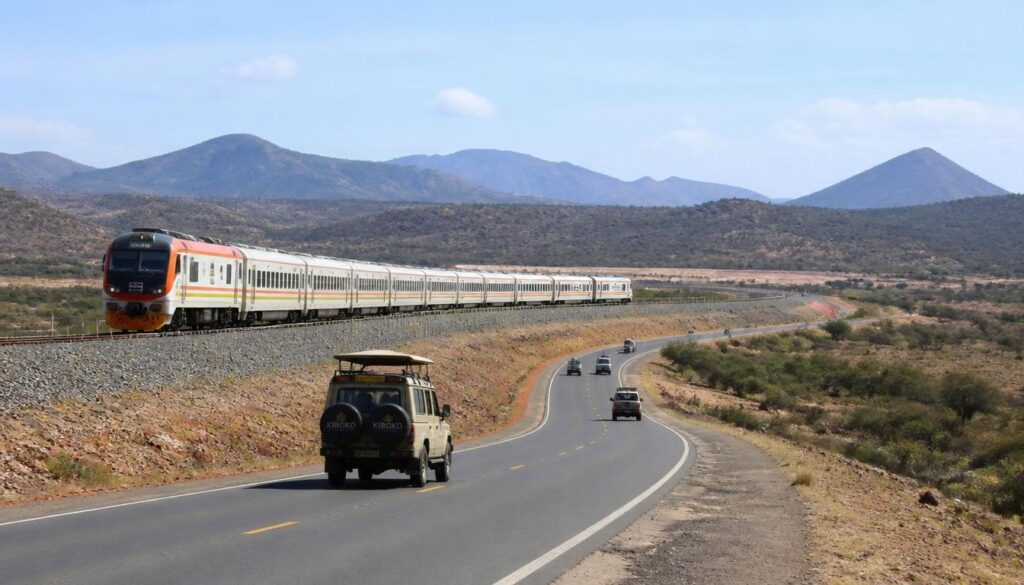
Kenya has long been recognized as one of Africa’s leading safari destinations. Its diverse landscapes, abundant wildlife, and world-famous national parks attract visitors from around the globe. Behind these memorable travel experiences lies an often-overlooked factor: transportation infrastructure.
Modern railways and well-connected road networks have significantly improved accessibility to wildlife destinations, making a safari from Nairobi to Mombasa a convenient and rewarding option for travelers seeking both adventure and relaxation.
The Growing Importance of Transportation in Safari Tourism
Efficient transportation is essential for the success of any tourism industry. In Kenya, rail and road systems connect major cities, national parks, coastal destinations, and remote wildlife areas.
Benefits include:
- Improved accessibility to safari destinations
- Reduced travel times between attractions
- Greater flexibility for travelers
- Enhanced tourism growth in regional areas
- Better integration of wildlife and coastal tourism
These developments have helped transform the safari from Nairobi to Mombasa into one of the country’s most popular travel experiences.
Road Networks Connecting Wildlife Destinations
Kenya’s road infrastructure plays a crucial role in supporting safari travel. Major highways and regional roads link Nairobi with national parks, game reserves, and coastal regions.
Key advantages include the following:
- Direct access to safari lodges and camps
- Flexible travel itineraries
- Opportunities for scenic overland journeys
- Easier movement between multiple destinations
Travelers undertaking a safari from Nairobi to Mombasa often pass through wildlife-rich regions, allowing them to combine sightseeing, game viewing, and cultural experiences in a single trip.
The Role of the Standard Gauge Railway (SGR)
The introduction of Kenya’s Standard Gauge Railway has modernized travel between Nairobi and Mombasa. The railway provides a comfortable and efficient transportation option for both domestic and international visitors.
Benefits of rail travel include:
- Faster transit between major cities
- Comfortable passenger services
- Reduced road congestion
- Improved tourism connectivity
For travelers planning a safari from Nairobi to Mombasa, rail transport offers a convenient alternative that can be combined with guided safari experiences before or after reaching the coast.
Access to Tsavo National Park
One of the biggest advantages of Kenya’s transportation network is improved access to wildlife destinations such as Tsavo.
As one of Kenya’s largest protected areas, Tsavo offers:
- Diverse wildlife populations
- Elephant viewing opportunities
- Scenic landscapes
- Rich biodiversity
Road and rail connections have made it easier for visitors to include Tsavo in a safari from Nairobi to Mombasa, creating opportunities for memorable wildlife encounters along the journey.
Combining Safari Adventures with Coastal Tourism
Modern travelers increasingly seek multi-experience vacations that combine wildlife exploration with beach relaxation.
A safari from Nairobi to Mombasa allows visitors to
- Experience iconic African wildlife
- Visit multiple national parks
- Explore local culture and heritage
- Relax on Kenya’s coastal beaches
- Enjoy diverse landscapes within one itinerary
This combination has become one of the strongest attractions of Kenya’s tourism sector.
Read more: Best Time for Kenya Safari & Migration 2026
Supporting Local Communities and Tourism Businesses
Transportation infrastructure also contributes to economic development by supporting local tourism businesses.
Positive impacts include the following:
- Increased visitor arrivals
- Growth in hospitality services
- Expanded employment opportunities
- Improved access to regional markets
- Greater investment in tourism facilities
As transportation networks continue to improve, more communities benefit from safari-related tourism activities.
Sustainable Tourism and Infrastructure Development
Sustainable tourism is becoming increasingly important within Kenya’s travel industry. Modern transportation systems can help reduce environmental impact by improving efficiency and encouraging responsible travel practices.
Examples include:
- Reduced travel times and fuel consumption
- Improved visitor management
- Enhanced access to conservation areas
- Better coordination of tourism services
These efforts support both wildlife conservation and long-term tourism growth.
Future Opportunities for Safari Tourism
As infrastructure development continues, Kenya is well-positioned to strengthen its reputation as a premier safari destination.
Future opportunities may include:
- Expanded transportation links
- Enhanced tourism services
- Greater regional accessibility
- Increased investment in eco-tourism
- More integrated safari and coastal travel packages
Such developments will continue to make a safari from Nairobi to Mombasa an attractive option for travelers seeking diverse and enriching experiences.
Read more: Complete Kenya Safari Planning Guide for First-Time Travelers
Conclusion
Kenya’s rail and road networks play a vital role in supporting safari tourism by connecting major cities, wildlife destinations, and coastal attractions. Improved transportation infrastructure has made travel more efficient, accessible, and enjoyable for visitors from around the world.
Whether exploring national parks, experiencing wildlife encounters, or relaxing along the coast, a safari from Nairobi to Mombasa showcases how modern transportation can enhance tourism while supporting economic growth and conservation efforts across the country.