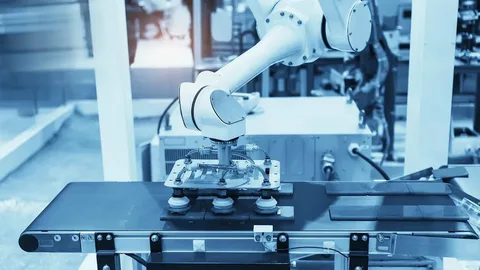
Modern healthcare depends heavily on precision, innovation, and reliability. At the center of this system lies medical device manufacturing, a sector that designs and produces the tools, machines, and equipment used in diagnosis, treatment, and patient care. From simple thermometers to advanced robotic surgical systems, these devices directly influence the quality and effectiveness of healthcare services worldwide.
As medical challenges grow more complex, the importance of efficient and innovative device production continues to increase. Without strong medical device manufacturing, hospitals and clinics would struggle to provide accurate diagnoses, safe procedures, and effective treatments. This industry is not just supportive—it is foundational to modern medicine.
Enabling Accurate Diagnosis and Early Disease Detection
Accurate diagnosis is the first step toward effective treatment, and medical devices play a crucial role in this process. Through advanced imaging systems, diagnostic kits, and monitoring equipment, medical device manufacturing ensures that healthcare professionals can detect diseases at early stages when they are most treatable.
Modern diagnostic tools are designed with high precision and reliability, reducing the chances of human error and improving patient outcomes. Early detection not only saves lives but also reduces long-term healthcare costs by preventing diseases from progressing.
Key points:
- Imaging machines like MRI, CT scanners, and X-rays support precise diagnosis
- Diagnostic kits enable rapid disease identification (e.g., blood tests, COVID-19 tests)
- Wearable devices help continuously monitor patient health indicators
- Early detection improves survival rates and treatment success
- Reduces the burden on healthcare systems by preventing complications
Improving Treatment Accuracy and Surgical Outcomes
Treatment in modern healthcare has become more advanced due to innovations in medical tools and equipment. Medical device manufacturing has made it possible for surgeons and doctors to perform highly precise procedures using robotic systems, laser tools, and minimally invasive devices.
These innovations reduce recovery time, minimize complications, and increase surgical success rates. As a result, patients experience safer procedures and improved long-term health outcomes compared to traditional methods.
Key points:
- Robotic-assisted surgery enhances precision and control
- Minimally invasive tools reduce hospital stay and recovery time
- Laser-based treatments increase accuracy in delicate procedures
- Smart infusion pumps ensure correct medication dosage
- Advanced imaging guides surgeons during complex operations
Supporting Patient Monitoring and Long-Term Care
Continuous patient monitoring is essential, especially for individuals with chronic diseases such as diabetes, heart conditions, or respiratory disorders. Medical device manufacturing has introduced innovative monitoring systems that allow real-time tracking of vital signs both inside and outside healthcare facilities.
These technologies empower doctors to make timely decisions and help patients manage their conditions more effectively at home. This reduces hospital admissions and improves the overall quality of life for patients.
Key points:
- Wearable health devices track heart rate, oxygen levels, and glucose levels
- Remote monitoring systems allow doctors to supervise patients from a distance
- Smart hospital beds track movement and prevent pressure injuries
- Mobile health apps sync with medical devices for real-time updates
- Alerts and notifications help detect emergencies early
Driving Innovation and Technological Advancement in Healthcare
The healthcare industry is constantly evolving, and innovation in medical device manufacturing is a major driver of this transformation. Companies invest heavily in research and development to create smarter, faster, and more efficient devices that improve patient care.
Emerging technologies such as artificial intelligence, robotics, and IoT (Internet of Things) are increasingly integrated into medical devices. These advancements are reshaping how diseases are diagnosed, treated, and managed across the globe.
Key points:
- AI-powered diagnostic tools enhance accuracy and speed
- IoT-enabled devices improve connectivity between patients and doctors
- Robotics improve precision in surgery and rehabilitation
- 3D printing enables customized implants and prosthetics
- Continuous R&D leads to breakthrough medical innovations
Ensuring Safety, Compliance, and Quality Standards
Safety is one of the most important aspects of healthcare, and medical device manufacturing follows strict regulations to ensure product reliability and patient protection. Every device undergoes rigorous testing and certification before reaching hospitals or clinics.
Regulatory compliance ensures that medical devices meet international standards and function safely in critical situations. This helps build trust between manufacturers, healthcare providers, and patients.
Key points:
- Strict quality control processes ensure device reliability
- Regulatory approvals guarantee safety and effectiveness
- Clinical testing reduces risks of device failure
- Standardization ensures compatibility across healthcare systems
- Continuous monitoring improves post-market safety
Conclusion
In conclusion, medical device manufacturing is a cornerstone of modern healthcare, influencing every stage of patient care—from diagnosis and treatment to monitoring and recovery. Without these innovations, medical professionals would lack the tools needed to provide accurate, efficient, and life-saving care.
As technology continues to advance, the role of medical device manufacturing will become even more critical. By improving precision, enhancing safety, and enabling innovation, this industry will continue shaping the future of healthcare and ensuring better outcomes for patients worldwide.