Best Fungicide for Potato Late Blight
Potato is one of the world’s most important food crops and a major source of income for farmers. However, fungal and fungal-like diseases can significantly reduce productivity and profitability. Among these diseases, late blight remains one of the most destructive threats to potato cultivation. Without timely management, late blight can destroy an entire field within days under favorable weather conditions.
Choosing the right fungicide for potato late blight is one of the most effective ways to protect crops and maintain healthy production. Modern disease management combines preventive fungicide applications, field monitoring, resistant varieties, and integrated disease management practices.
This guide explains everything farmers need to know about late blight disease, fungicide selection, preventive measures, and practical crop protection strategies.
What Is Potato Late Blight?
Potato late blight is a highly destructive disease caused by Phytophthora infestans. The disease thrives under cool and humid weather conditions and spreads rapidly through spores carried by wind, rain, and irrigation water.
Late blight affects:
- Leaves
- Stems
- Tubers
- Entire crop canopy
If not controlled quickly, severe infections can result in significant crop losses and poor tuber quality.
Why Is Late Blight a Major Concern for Potato Farmers?
Late blight can spread very quickly, especially during cloudy weather and periods of high humidity.
Common consequences include:
- Leaf destruction
- Stem infection
- Reduced photosynthesis
- Poor tuber development
- Lower marketable yield
- Increased production costs
This is why many growers prioritize a reliable fungicide for potato late blight as part of their crop protection program.
What Are the Symptoms of Potato Late Blight?
Early identification helps farmers take timely action.
Leaf Symptoms
Common signs include:
- Water-soaked lesions
- Dark brown patches
- Rapid leaf decay
- White fungal growth on leaf undersides
Stem Symptoms
Infected stems may show:
- Dark elongated lesions
- Wilting
- Plant collapse
Tuber Symptoms
Affected tubers often develop:
- Brown discoloration
- Internal rotting
- Storage losses
Regular scouting helps detect infections before major damage occurs.
What Causes Potato Late Blight?
Several environmental conditions encourage disease development.
High Humidity
Humidity above 90% creates favorable conditions for pathogen growth.
Frequent Rainfall
Rain helps spores spread rapidly throughout the field.
Poor Air Circulation
Dense crop canopies trap moisture and increase disease pressure.
Infected Seed Tubers
Planting infected seed material can introduce disease into fields.
Understanding these risk factors helps farmers develop effective prevention strategies.
How Does a Fungicide for Potato Late Blight Work?
Fungicides help suppress disease development through different mechanisms.
Contact Fungicides
Contact fungicides remain on plant surfaces and protect against infection.
Benefits include:
- Preventive protection
- Broad-spectrum activity
- Lower resistance risk
A quality contact fungicide spray for fruits and vegetables can also provide effective surface protection against several fungal pathogens.
Systemic Fungicides
Systemic fungicides are absorbed into plant tissues.
Advantages include:
- Internal disease control
- Curative activity
- Longer protection period
A reliable systemic fungicide for crops is often recommended when disease symptoms have already appeared.
Preventive vs Curative Fungicides
Preventive Fungicides
These are applied before infection occurs.
Benefits:
- Reduced disease establishment
- Better crop protection
- Lower crop losses
Curative Fungicides
These products help stop disease progression after infection begins.
Benefits:
- Disease suppression
- Protection of healthy plant tissue
- Yield preservation
The most successful disease management programs often combine both approaches.
Integrated Disease Management for Potato Late Blight
Modern agriculture increasingly relies on Integrated Disease Management (IDM).
Use Certified Seed
Always plant disease-free seed tubers.
Maintain Proper Spacing
Good spacing improves:
- Air movement
- Sunlight penetration
- Disease reduction
Monitor Weather Conditions
Weather forecasting helps identify disease risk periods.
Remove Infected Plants
Early removal of infected plant material reduces disease spread.
Rotate Crops
Crop rotation helps reduce pathogen survival in the soil.
How to Choose the Best Fungicide for Potato Late Blight
Selecting the right product depends on multiple factors.
Disease Severity
Higher disease pressure may require systemic fungicides.
Weather Conditions
Rainfall and humidity affect product performance.
Crop Growth Stage
Young crops and mature crops may require different spray strategies.
Resistance Management
Rotate fungicides with different modes of action to prevent resistance development.
Common Potato Diseases Besides Late Blight
Farmers should also watch for:
Early Blight
Causes:
- Leaf spots
- Defoliation
- Reduced yield
Black Scurf
Affects tuber quality and plant vigor.
Powdery Mildew
Can reduce photosynthetic activity.
Leaf Spot Diseases
May weaken plant growth and yield potential.
A broad-spectrum disease management strategy provides protection against multiple threats.
Recommended Fungicide Solutions for Potato Disease Management
Several fungicide technologies are useful for potato disease control.
JU BULLET
Contains Cymoxanil 8% + Mancozeb 64% WP.
Benefits include:
- Effective late blight management
- Broad-spectrum disease protection
- Contact and systemic activity
JU AZOLE
Contains Azoxystrobin + Difenoconazole.
Useful for:
- Blight management
- Disease prevention
- Broad-spectrum fungal control
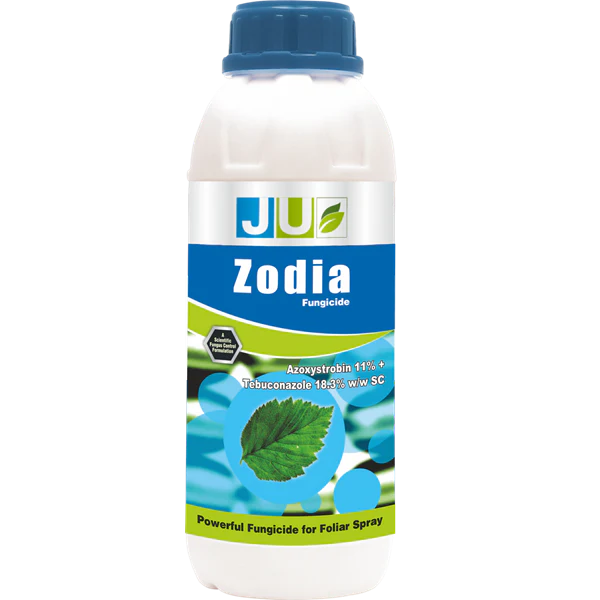
JU ZODIA
Contains Azoxystrobin + Tebuconazole.
Provides:
- Preventive action
- Curative action
- Long-lasting protection
Farmers can explore crop protection solutions from Gramiti.
Related Fungicide Solutions for Other Crops
Disease management is important across all farming systems.
Many growers also search for:
- fungicide for tomato farming
- fungicide for paddy crop
- fungicide for wheat rust
- fungicide for onion farming
- fungicide for sugarcane disease
- fungicide for cotton diseases
- fungicide for soybean rust
- fungicide for groundnut farming
- fungicide for chili plants
- fungicide for grape farming
- fungicide spray for banana crops
- best fungicide for pulses
- best fungicide for sugarcane
Integrated disease management principles apply across most crops.
Common Problems and Solutions in Late Blight Management
Problem: Disease Returns Quickly
Solution:
- Follow proper spray intervals
- Use fungicide rotation
- Improve field sanitation
Problem: Fungicide Failure
Solution:
- Apply correct dosage
- Improve spray coverage
- Use quality products
Problem: Heavy Disease Pressure
Solution:
- Combine preventive and systemic fungicides
- Increase field scouting frequency
- Follow weather-based spray schedules
Why Farmers Buy Fungicides Online
Many growers now prefer to buy fungicide online India due to:
- Product availability
- Convenient ordering
- Expert guidance
- Fast delivery
- Competitive pricing
Farmers looking for a cheap fungicide online India should prioritize quality and technical support rather than selecting products solely based on cost.
Gramiti NAP Information
Gramiti – A Trusted Place for Farmers
Address: 7th Floor, Express Trade Tower II, B-36, Sector 132, Noida, Gautam Buddha Nagar, Uttar Pradesh 201301, India
Phone: 993-997-9905
Website: https://gramiti.com/
Gramiti provides farmers with quality fungicides, herbicides, insecticides, crop protection products, and crop nutrition solutions supported by expert guidance and farmer-focused services.
Frequently Asked Questions
1. What is the best fungicide for potato late blight?
The best fungicide depends on disease pressure, weather conditions, and crop stage. Both preventive and systemic fungicides are commonly used.
2. How often should potato fields be sprayed for late blight?
Spray intervals typically range from 7 to 14 days depending on disease risk and product recommendations.
3. Can late blight spread rapidly?
Yes. Under cool and humid conditions, late blight can spread throughout a field within a few days.
4. What weather conditions favor late blight?
High humidity, rainfall, cloudy weather, and moderate temperatures encourage disease development.
5. Can integrated disease management reduce fungicide costs?
Yes. Combining cultural practices, crop monitoring, and preventive measures often reduces disease pressure and improves fungicide efficiency.
Conclusion
Late blight remains one of the most serious diseases affecting potato production worldwide. Effective disease management requires a combination of preventive practices, field monitoring, weather awareness, and selecting the right fungicide for potato late blight. Farmers who adopt integrated disease management strategies can reduce disease losses, improve crop health, and achieve higher marketable yields.
CTA
Looking for reliable crop protection solutions for potatoes and other crops? Explore fungicides, herbicides, insecticides, crop nutrition products, and expert farming support from Gramiti. Quality products, farmer-focused service, fast delivery, and practical crop protection solutions help growers achieve healthier crops and better harvests.