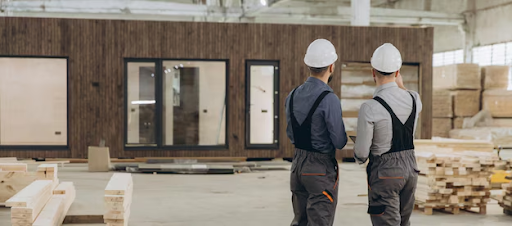
Most people walk into this thinking it’s just a smaller house project. A backyard build, quicker decisions, fewer headaches. Not quite. The truth is, ADU building & planning in Santa Rosa has its own weird little ecosystem of rules, delays, and “oh, nobody mentioned that” moments. It’s not impossible, not even close—but it’s rarely as clean as the Pinterest boards make it look. You don’t hear about the slow approvals, the design compromises, or the tiny decisions that somehow eat up whole weeks. That’s the stuff that actually shapes the project.
It Starts Simple… Then Gets Complicated Fast
At the beginning, everything feels straightforward. You sketch an idea, maybe browse a few layouts, talk to a contractor. Done, right? Not really. The moment you start translating ideas into something buildable, things shift. Setbacks, height limits, utility access—these aren’t optional details, they’re gatekeepers. And they don’t always play nice with your original vision. You might want big windows facing a certain direction, but zoning rules or privacy setbacks say otherwise. So now you’re adjusting. And adjusting again. That early excitement? It’s still there, just mixed with a bit of reality.
Permits Take Longer Than You Expect (Yes, Even Now)
Nobody likes talking about permits, so most people don’t. But this is where time quietly disappears. You submit plans thinking you’ll hear back in a couple weeks. Sometimes you do. Sometimes you don’t. Sometimes you get comments that send you right back to the drawing board. It’s not always about mistakes either—different departments have different priorities, and your ADU has to satisfy all of them. Fire access, drainage, energy compliance. It stacks up. You wait, respond, wait again. It’s normal, just not talked about enough.
Design Isn’t Just About Looks—It’s About Trade-Offs
Here’s something that catches people off guard: every design choice is a trade. Want higher ceilings? That might affect rooflines or cost more than expected. Prefer an open layout? You could lose storage space you didn’t realize you needed. Even something small, like window placement, can shift how the whole unit feels. The tricky part is you don’t always see the downside until later. Good planning means thinking a few steps ahead, not just picking what looks best in the moment. And yeah, you’ll probably second-guess a few things along the way. That’s part of it.
Budget Drift Is Real (Even If You Plan Well)
People will tell you to set a budget and stick to it. Sounds nice. In reality, budgets move. Materials fluctuate, labor shifts, and then there are those small upgrades that don’t seem like a big deal at the time. Better fixtures, slightly nicer finishes, an extra bit of electrical work—suddenly you’re over by more than you planned. It’s not always poor planning. Sometimes it’s just how projects evolve. The key is building in some breathing room from the start. If you don’t, the stress shows up later, and it’s not subtle.
Communication Can Make or Break the Whole Thing
This part doesn’t get enough attention. You can have a solid design and a decent budget, but if communication is off, things get messy. Misunderstandings happen fast in construction. A small assumption turns into a wrong install, then a delay, then extra cost. It’s frustrating, and avoidable, mostly. Clear conversations, regular check-ins, asking questions even when they feel obvious—that’s what keeps things moving. Not perfectly, but better. You don’t need to micromanage, but disappearing and hoping for the best? That rarely ends well.
Local Experience Matters More Than You Think
Here’s where things get a bit more grounded. Working with people who actually understand construction in Santa Rosa CA makes a noticeable difference. Not in a flashy way, but in all the small decisions that add up. They know the permitting quirks, the inspectors’ expectations, the soil conditions you won’t find in a brochure. It saves time. Sometimes money too. And honestly, it reduces that constant feeling of “are we doing this right?” which tends to creep in during longer projects.
The Timeline Is Flexible… Even When You Don’t Want It To Be
You’ll be given a timeline. It’ll look neat, structured, reassuring. And then things shift. Weather delays, permit revisions, material backorders—stuff happens. Not always dramatic, just enough to push things out a bit. Then a bit more. It’s frustrating, yeah, but also normal. The better mindset is to treat timelines as a guide, not a guarantee. Rigid expectations tend to crack under real-world conditions. Flexibility helps. Not endlessly, but enough to keep your sanity intact.
Conclusion
The ADU planning process isn’t broken. It just isn’t as simple as people expect. There are layers to it—some visible, some not until you’re already in the middle of it. If you go in thinking it’ll be smooth and predictable, you’ll probably feel blindsided. But if you expect a few bumps, a few revisions, a bit of back-and-forth, it starts to make more sense. And honestly, it becomes manageable. The goal isn’t perfection. It’s getting to a finished space that works, feels right, and holds up over time. The rest? That’s just part of the ride.