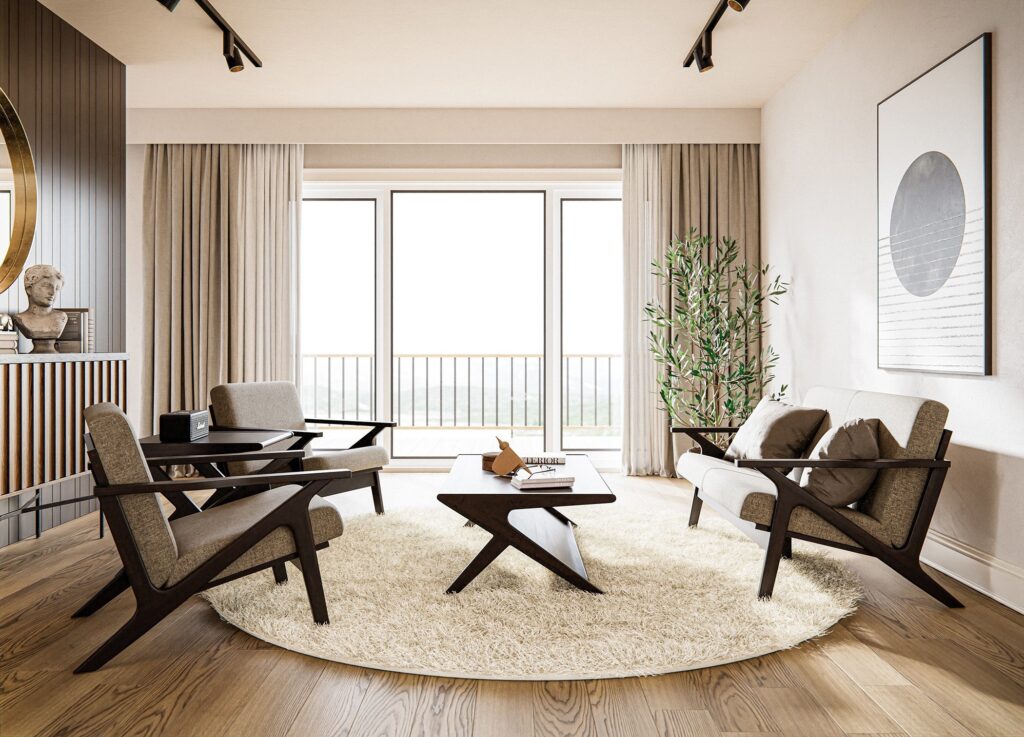
mid-century modern furniture
Many homeowners invest heavily in decorating only to realize that trendy pieces quickly look outdated. Replacing furniture every few years can become expensive and frustrating, especially when rooms fail to achieve a cohesive appearance. This challenge has led many Americans to search for styles that remain relevant regardless of changing trends. According to the U.S. Bureau of Economic Analysis, Americans spend billions annually on household furnishings, making durability and timeless appeal increasingly important. That is exactly why mid-century modern furniture continues to attract homeowners, interior designers, and collectors across the country.
The lasting popularity of this design style is not accidental. It offers clean lines, practical functionality, and a balanced aesthetic that works in both traditional and contemporary homes. I have personally seen homeowners transform outdated spaces simply by introducing a few carefully selected classic pieces. Instead of completely redesigning rooms every few years, they refresh décor while maintaining their core furnishings. This flexibility saves money over time and creates interiors that feel intentional rather than temporary. The combination of style, comfort, and practicality explains why this design movement remains influential decades after its introduction.
The Origins and Evolution of the Design Movement
The roots of this design movement can be traced to the period between the mid-1940s and the late 1960s. Following World War II, America experienced significant suburban growth, creating demand for affordable, functional, and attractive home furnishings. Designers responded by developing pieces that emphasized simplicity, efficiency, and comfort. Rather than focusing on excessive ornamentation, they embraced minimal forms and innovative manufacturing techniques. This approach perfectly suited modern families seeking practical yet stylish homes.
The movement also reflected broader cultural changes occurring throughout the United States. Advances in industrial production allowed manufacturers to experiment with new materials and mass-production methods. Designers began combining craftsmanship with technology to produce accessible furnishings for middle-class households. Companies such as Herman Miller and Knoll became major players by bringing innovative designs to American consumers. Today, many original pieces from that era remain highly valuable, demonstrating the enduring appeal of thoughtful, functional design.
Key Characteristics That Define the Style
Several defining characteristics distinguish this movement from other furniture styles. Clean lines, organic curves, and uncluttered silhouettes are among the most recognizable features. Designers prioritized functionality, ensuring that every piece served a practical purpose while maintaining visual appeal. Large, bulky furniture gave way to lighter forms that created open and airy living spaces. This emphasis on simplicity continues to resonate with homeowners seeking versatile interiors.
Another important characteristic is the connection between indoor and outdoor living. Large windows, open floor plans, and natural materials became central elements in postwar architecture and interior design. Furniture pieces were intentionally designed to complement these architectural features. Tapered legs, low profiles, and streamlined shapes contributed to a sense of spaciousness within homes. Even in modern apartments and urban residences, these principles remain highly relevant and adaptable.
Influential Designers Who Shaped the Industry
No discussion of mid-century modern furniture would be complete without recognizing the designers who defined the movement. Among the most celebrated figures are Charles and Ray Eames, whose innovative work transformed furniture manufacturing in America. Their molded plywood and fiberglass chairs remain among the most recognizable furniture designs ever created. The Eames Lounge Chair, introduced in 1956, continues to command premium prices and remains a symbol of sophisticated comfort. Many businesses, hotels, and executive offices throughout the United States still feature original or licensed Eames designs.
Another influential designer was Eero Saarinen, known for creating sculptural furniture that eliminated unnecessary visual clutter. His famous Tulip Table and Tulip Chair replaced traditional four-legged designs with elegant pedestal bases. George Nelson also played a major role by introducing practical storage systems and iconic seating designs. Meanwhile, Florence Knoll revolutionized workplace interiors by integrating architecture and furniture design. These innovators fundamentally changed how Americans furnished their homes and workplaces, leaving a legacy that continues to shape the modern furniture industry.
Materials That Defined a Design Era
The success of mid-century modern furniture was closely linked to experimentation with innovative materials. Designers frequently used teak, walnut, oak, and rosewood because these woods offered durability while showcasing attractive natural grain patterns. Wood surfaces were often finished in ways that highlighted their organic beauty rather than concealing it. This focus on natural materials helped create warm, inviting interiors that contrasted with the industrial environment outside the home. Even today, walnut and teak remain highly desirable choices among furniture buyers.
Manufacturers also embraced new industrial materials to improve affordability and functionality. Molded plywood, fiberglass, aluminum, steel, and tempered glass became widely used throughout the furniture industry. Charles and Ray Eames famously demonstrated how molded plywood could create ergonomic seating solutions while maintaining elegant forms. According to the Smithsonian Institution, these material innovations significantly influenced twentieth-century industrial design. The successful combination of traditional craftsmanship and modern manufacturing techniques helped establish this style as a lasting design movement.
Iconic Pieces Every Enthusiast Should Know
Certain furnishings have become universally recognized symbols of mid-century modern furniture. The Eames Lounge Chair and Ottoman remains one of the most iconic examples, combining luxurious leather upholstery with molded wood construction. Since its introduction in 1956, this chair has been continuously produced and remains highly sought after by collectors and homeowners alike. Original vintage models frequently sell for thousands of dollars at auctions, reflecting their enduring value and cultural significance. The chair continues to appear in executive offices, upscale residences, and design museums worldwide.
Equally important are pieces such as the Saarinen Tulip Table, the Nelson Platform Bench, and the Barcelona Chair. These furnishings demonstrate how designers successfully merged artistic expression with everyday functionality. Homeowners interested in entertaining often choose mid-century dining furniture because its streamlined appearance works well in both small and spacious dining areas. Dining tables featuring tapered legs and simple profiles remain particularly popular among American consumers. The continued demand for these designs proves that thoughtful craftsmanship never truly goes out of style.
Incorporating Classic Pieces Into Modern Homes
Many homeowners hesitate to introduce vintage-inspired furnishings because they fear creating spaces that look dated. In reality, these pieces blend remarkably well with contemporary interiors. A single statement chair, credenza, or coffee table can immediately elevate a room without overwhelming existing décor. Neutral color palettes and natural textures further enhance the versatility of these furnishings. Mixing old and new elements often produces interiors that feel both sophisticated and welcoming.
Dining areas offer especially strong opportunities for integration. Carefully selected mid-century dining furniture can bring warmth and character to open-concept homes while maintaining a clean and uncluttered appearance. I recently visited a renovated suburban home where a walnut dining set transformed an otherwise ordinary space into the home’s focal point. The owners combined vintage-inspired seating with contemporary lighting, creating an inviting atmosphere that felt balanced and practical. This approach demonstrates how classic design principles continue to complement modern lifestyles.
Market Trends and Business Impact in the United States
The American furniture market continues to show strong interest in vintage-inspired styles. Research from Grand View Research indicates that the U.S. furniture market is expected to maintain steady growth due to rising consumer spending and increasing demand for quality furnishings. Many retailers now offer collections inspired by classic twentieth-century designs because consumers value both aesthetics and durability. Businesses ranging from boutique hotels to corporate offices frequently incorporate these pieces to create professional yet comfortable environments. This sustained commercial demand highlights the enduring economic influence of the movement.
Large American companies such as Herman Miller and Knoll continue manufacturing licensed classics while introducing updated interpretations for modern consumers. Meanwhile, online marketplaces have created thriving resale opportunities for collectors seeking authentic vintage pieces. The growing popularity of sustainable consumption has also increased interest in restoring older furnishings rather than purchasing disposable alternatives. As environmental concerns influence buying decisions, timeless furniture styles that emphasize longevity are likely to remain highly desirable. These market trends suggest that classic modern design will continue shaping the industry for years to come.
Conclusion
The continued success of mid-century modern furniture demonstrates that thoughtful design never loses relevance. Clean lines, practical functionality, innovative materials, and exceptional craftsmanship have allowed these pieces to remain desirable across generations. Influential designers such as Charles and Ray Eames, Eero Saarinen, George Nelson, and Florence Knoll established principles that continue guiding furniture design today. Their work proves that beautiful furnishings can also be practical, durable, and accessible.
Whether you are furnishing an entire home or simply adding a statement piece, classic modern designs offer remarkable versatility. From living rooms to dining spaces featuring carefully selected mid-century dining furniture, these timeless creations adapt effortlessly to changing lifestyles and design preferences. Investing in well-crafted pieces not only enhances everyday living but also provides long-term value. For homeowners seeking a balance of style, comfort, and durability, this enduring design movement remains an excellent choice.