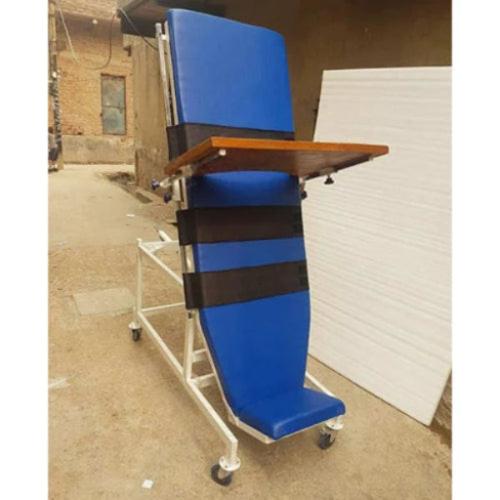
A manual tilt table is an essential rehabilitation device used in physiotherapy, hospitals, and rehabilitation centers to help patients gradually move from a lying position to a standing posture. It is specifically designed for individuals who have limited mobility due to neurological disorders, spinal cord injuries, orthopedic conditions, or prolonged bed rest. By providing controlled standing therapy, a manual tilt table helps improve circulation, muscle strength, balance, and overall physical function.
Healthcare professionals rely on a manual tilt table as an effective and economical rehabilitation tool that supports patient recovery while ensuring safety and comfort during therapy sessions.
What Is a Manual Tilt Table?
A manual tilt table is a specially designed therapy table that can be adjusted manually to different angles, allowing patients to transition gradually from a horizontal position to an upright standing position. The table is equipped with safety straps, a supportive footboard, and a sturdy frame to keep the patient secure throughout the therapy session.
Unlike motorized models, the manual tilt table is operated using a mechanical adjustment system, making it a practical option for clinics and rehabilitation facilities looking for reliable equipment with minimal maintenance requirements.
Importance of a Manual Tilt Table in Rehabilitation
Standing therapy is a key part of many rehabilitation programs because it helps restore physical function and prevents complications caused by prolonged immobility. A manual tilt table allows patients to experience weight-bearing activities in a safe and controlled manner.
Regular use of a manual tilt table may help:
- Improve blood circulation
- Reduce muscle stiffness
- Prevent joint contractures
- Enhance bone health through weight-bearing
- Improve balance and postural control
- Increase standing tolerance
- Support functional recovery
These benefits make it an important device for patients undergoing long-term rehabilitation.
Key Features of a Manual Tilt Table
Modern manual tilt table models include several features that enhance both patient safety and therapist convenience.
Adjustable Tilt Angles
The table can be manually positioned at various angles to match the patient’s rehabilitation progress and comfort level.
Safety Support System
Multiple straps secure the chest, pelvis, knees, and feet, helping maintain proper body alignment throughout therapy.
Comfortable Padded Surface
High-density cushioning provides comfort during extended rehabilitation sessions.
Strong Footboard
The foot platform supports weight-bearing exercises while ensuring stability in standing positions.
Durable Frame Construction
A heavy-duty steel frame offers excellent stability, durability, and long service life in clinical environments.
Benefits of Using a Manual Tilt Table
Using a manual tilt table provides several advantages for both patients and healthcare professionals.
Supports Gradual Standing
Patients can safely adapt to upright positions without sudden changes that may cause dizziness or discomfort.
Improves Muscle Activation
Weight-bearing exercises stimulate muscles and help maintain lower limb strength.
Enhances Circulation
Standing promotes healthy blood flow and supports cardiovascular function.
Cost-Effective Rehabilitation Equipment
Manual systems are generally more affordable while still delivering effective rehabilitation outcomes.
Easy Maintenance
The simple mechanical design reduces servicing requirements and ensures reliable long-term performance.
Applications of a Manual Tilt Table
A manual tilt table is commonly used in a variety of healthcare settings, including:
- Physiotherapy clinics
- Rehabilitation centers
- Neurological rehabilitation units
- Orthopedic hospitals
- Long-term care facilities
- Home rehabilitation programs under professional supervision
It is suitable for patients recovering from stroke, spinal cord injuries, traumatic brain injuries, multiple sclerosis, orthopedic surgeries, and other conditions affecting mobility.
Choosing the Right Manual Tilt Table
When selecting a manual tilt table, consider important factors such as:
- Adjustable tilt range
- Strong frame construction
- Comfortable upholstery
- Reliable safety straps
- Appropriate weight capacity
- Ease of operation
- Low maintenance requirements
Choosing high-quality equipment helps ensure patient safety and supports effective rehabilitation.
Conclusion
A manual tilt table is an essential rehabilitation device that helps patients safely regain standing ability, improve circulation, and strengthen muscles. Its simple operation, durable construction, and therapeutic benefits make it a valuable addition to physiotherapy clinics, hospitals, and rehabilitation centers.
By incorporating a manual tilt table into rehabilitation programs, healthcare professionals can provide safe, structured standing therapy that promotes mobility, independence, and improved quality of life for patients recovering from various physical and neurological conditions.