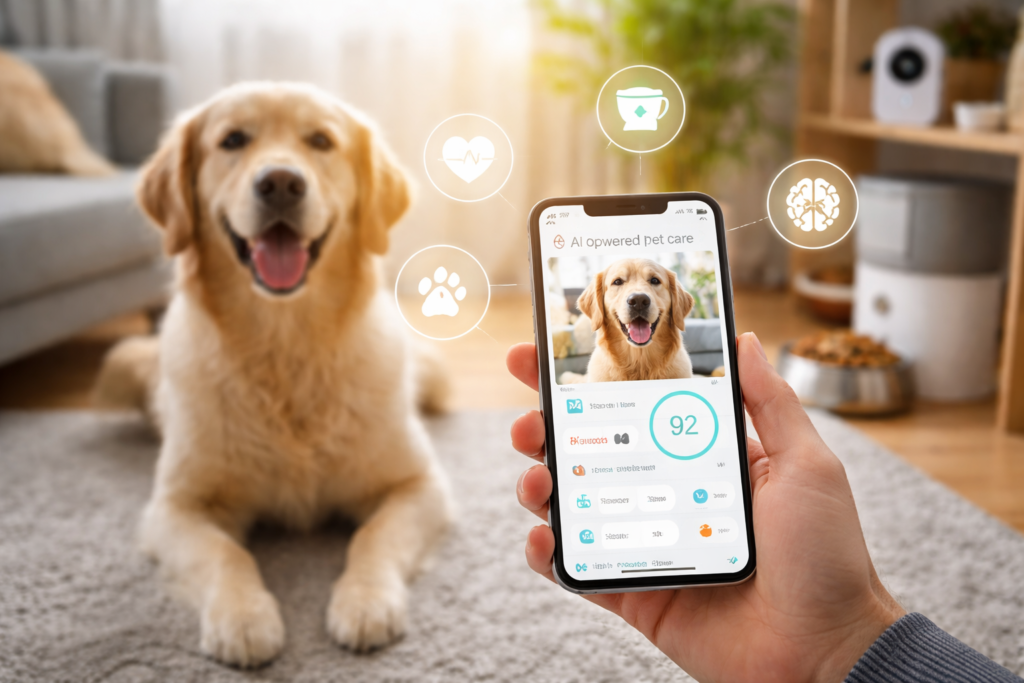
Pet ownership has evolved significantly in recent years, driven in part by advances in artificial intelligence (AI) and smart technology. Today, AI-powered pet care apps are helping pet owners monitor health, manage daily routines, and better understand their animals’ behavior. These tools are not replacing traditional veterinary care or human interaction; rather, they are enhancing how people care for their pets.
From activity tracking to AI-driven health insights, smart pet technology is reshaping the modern pet care experience. This article explores how AI-powered pet care apps work, their key features, benefits, and the broader impact they are having on pet ownership.
Understanding AI-Powered Pet Care Apps
AI-powered pet care apps use machine learning algorithms, data analytics, and connected devices to collect and interpret information about pets. These apps often sync with wearable devices, smart feeders, cameras, and sensors to track a pet’s behavior, activity levels, eating habits, and even sleep patterns.
By analyzing this data, the apps generate insights that help owners make informed decisions about their pets’ well-being. For example, a sudden drop in activity or changes in eating patterns may signal a potential health concern. Early detection allows owners to seek veterinary advice before minor issues become serious.
Unlike traditional pet care tools, AI-based systems continuously learn from patterns in data. Over time, they become more accurate in recognizing what is normal for an individual pet. This personalized approach makes it easier to tailor care routines and respond to subtle behavioral changes that might otherwise go unnoticed.
Key Features of Smart Pet Technology
AI-powered pet care apps offer a wide range of features designed to simplify daily pet management and improve health monitoring. These tools combine real-time data collection with intelligent analysis to provide actionable insights.
Health and Activity Tracking
Many smart pet devices function similarly to fitness trackers for humans. They monitor steps taken, calories burned, rest periods, and overall activity levels. AI algorithms analyze this information to identify trends and deviations from a pet’s normal routine.
Some advanced systems can detect subtle behavioral changes that may indicate stress, pain, or illness. For instance, reduced movement or irregular sleep patterns can trigger alerts within the app. These notifications encourage owners to observe their pets more closely and seek professional advice if needed.
Continuous tracking also helps establish long-term health baselines. This historical data can be valuable during veterinary visits, offering a clearer picture of a pet’s lifestyle and physical condition.
AI-Based Nutrition Management
Proper nutrition plays a central role in pet health. AI-powered pet care apps increasingly support feeding management through smart feeders and digital meal tracking. These systems can dispense precise portions at scheduled times, helping maintain consistency in a pet’s diet.
Many apps use AI to recommend feeding guidelines based on factors such as breed, age, weight, and activity level. By monitoring calorie intake and weight trends, owners can reduce the risk of obesity and related health problems. Some platforms also allow owners to log treats and special meals, creating a comprehensive dietary record.
This structured approach to nutrition supports healthier habits and makes it easier to adjust feeding plans as a pet’s needs change over time.
Behavior Monitoring and Training Support
Behavioral issues are a common concern among pet owners. AI-enabled cameras and monitoring apps can observe pets when owners are away, analyzing movement, sounds, and interactions with their surroundings.
These systems may identify patterns such as excessive barking, pacing, or signs of separation anxiety. Based on the collected data, the app can provide insights into triggers and suggest structured training strategies.
Some platforms include guided training modules developed with input from animal behavior specialists. These resources help owners address common challenges using consistent, evidence-based methods. Over time, behavior tracking can reveal improvements and highlight areas that may require additional attention.
Telehealth and Virtual Vet Assistance
Digital pet care increasingly includes telehealth features that connect owners with veterinary professionals. Many AI-powered apps offer symptom checkers, virtual consultations, and educational resources.
Symptom assessment tools use AI to analyze reported signs and suggest possible next steps. While these tools are not a substitute for in-person examinations, they can help owners evaluate minor concerns and decide whether a clinic visit is necessary.
Virtual consultations provide convenient access to general advice, follow-up care, and preventive guidance. For routine questions, telehealth services can save time while ensuring that pets receive timely attention.
Benefits of AI-Powered Pet Care for Owners and Pets
The integration of AI into pet care delivers measurable advantages for both animals and their caregivers. These benefits extend beyond convenience, influencing health outcomes and daily routines.
Early Detection of Health Issues
Continuous monitoring allows for early recognition of abnormal patterns in activity, appetite, or behavior. Identifying potential problems at an early stage increases the likelihood of effective treatment.
For pets with chronic conditions, AI-powered tracking supports ongoing management by documenting progress and highlighting fluctuations. This data-driven approach helps veterinarians and owners make more informed decisions.
Personalized Care and Routine Optimization
Every pet has unique physical and behavioral needs. AI-driven insights enable owners to customize exercise plans, feeding schedules, and training routines. Personalized care contributes to improved overall well-being and a more balanced lifestyle.
Adaptive systems that learn from a pet’s habits can refine recommendations over time. This ongoing adjustment ensures that care strategies remain relevant as pets age or experience lifestyle changes.
Convenience and Time Management
Modern schedules can make consistent pet care challenging. Smart pet technology automates reminders for feeding, medication, and exercise. Centralized dashboards within pet care apps allow owners to manage multiple aspects of care in one place.
This level of organization reduces the likelihood of missed routines and helps maintain stability for pets. Automated tracking also minimizes the need for manual record-keeping.
Strengthened Owner-Pet Relationships
Access to detailed insights about a pet’s habits encourages greater awareness and engagement. Owners become more attentive to subtle signals and behavioral patterns.
By understanding their pets more deeply, caregivers can respond more effectively to needs and preferences. This informed interaction often leads to stronger bonds and improved communication between pets and their owners.
The Role of Data and Privacy in Smart Pet Apps
As AI-powered pet care apps collect extensive data, privacy and security become important considerations. These platforms may gather information about pet behavior, home environments, and usage patterns.
Responsible developers implement encryption and secure storage practices to protect user data. Pet owners should review privacy policies to understand how their information is handled. Transparency regarding data collection and sharing is essential for building trust in smart pet technology.
Awareness of privacy settings allows users to control what information is stored and how it is used. Informed decisions help balance the benefits of connected devices with the need for data protection.
Limitations and Challenges of AI in Pet Care
Despite their advantages, AI-powered pet care apps have practical limitations. Technology cannot replace the clinical expertise of veterinarians or the nuanced understanding that comes from direct human observation.
AI systems depend on accurate sensors and reliable connectivity. Device malfunctions or incorrect readings may produce misleading insights. Owners should treat app-generated recommendations as supportive tools rather than definitive diagnoses.
Cost can also be a barrier. High-quality smart pet devices and subscription services may not be accessible to all households. Additionally, excessive reliance on technology could lead some owners to overlook traditional signs of discomfort or illness.
Balancing digital tools with attentive, hands-on care remains essential for responsible pet ownership.
The Future of AI-Powered Pet Care
The future of AI-powered pet care apps is likely to involve deeper integration with veterinary medicine and advances in predictive analytics. Emerging technologies may enable earlier detection of diseases through sophisticated biometric monitoring.
Improved machine learning models could deliver more accurate behavioral analysis and highly customized care recommendations. Collaboration between technology companies and veterinary professionals will play a key role in ensuring reliability and ethical development.
Smart home ecosystems may also become more closely linked with pet care systems. Automated adjustments to lighting, temperature, and feeding schedules could create environments optimized for animal comfort and health.
As innovation continues, AI-driven pet care solutions are expected to become more refined, accessible, and responsive to the diverse needs of pets and their owners.