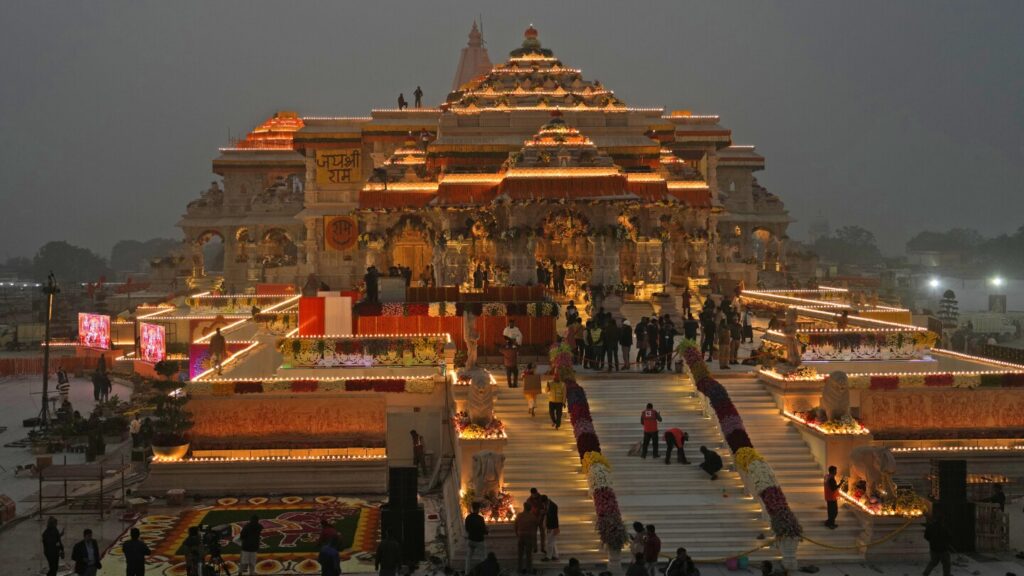
Ayodhya, located on the banks of the Sarayu River in Uttar Pradesh, is one of the most revered cities in India. Exploring Ayodhya visiting places is not just about temples—it’s about immersing yourself in centuries of heritage, mythology, and tradition.
Known as the birthplace of Lord Rama, it holds immense spiritual, cultural, and historical significance. With the grand Ram Mandir now standing as a symbol of devotion, Ayodhya has become a global attraction for pilgrims and tourists alike.
🌿 Why Ayodhya is Special
- Spiritual Capital: Ayodhya is one of the seven most sacred cities (Sapta Puri) in Hinduism.
- Cultural Heritage: The city is home to temples, ghats, and monuments that reflect India’s rich traditions.
- Festivals: Events like Deepotsav and Ram Navami light up the city with grandeur.
- Tourism Growth: With the Ram Mandir inauguration, Ayodhya has become a global pilgrimage hub.
🕉️ Top Ayodhya Visiting Places
1. Ram Janmabhoomi Temple
- The most important site among all Ayodhya visiting places.
- Believed to be the birthplace of Lord Rama.
- The newly constructed Ram Mandir is a magnificent structure attracting millions of devotees.
- A must-visit for pilgrims and tourists seeking spiritual fulfillment.
2. Hanuman Garhi
- A fortress-like temple dedicated to Lord Hanuman.
- Located in the heart of the city, offering panoramic views of Ayodhya.
- Devotees believe visiting Hanuman Garhi is essential before Ram Janmabhoomi.
3. Kanak Bhawan
- A temple gifted to Sita by Queen Kaikeyi after her marriage to Lord Rama.
- Known for its golden idols of Rama and Sita.
- A serene and spiritually uplifting destination.
4. Nageshwarnath Temple
- Dedicated to Lord Shiva, believed to have been built by Kush, son of Rama.
- Famous for the Shivratri festival.
- Adds diversity to Ayodhya’s spiritual landscape.
5. Dashrath Bhavan
- The royal palace where King Dashrath, father of Lord Rama, lived.
- Now a temple with daily prayers and bhajans.
- A cultural landmark in Ayodhya.
6. Ram Ki Paidi
- A series of ghats along the Sarayu River.
- Pilgrims take holy dips here, especially during festivals.
- Evening aarti at the ghats is a mesmerizing experience.
7. Sita Rasoi
- Believed to be the kitchen of Goddess Sita.
- A small temple showcasing utensils and artifacts.
- Symbolizes domestic and divine life.
8. Tulsi Smarak Bhavan
- Dedicated to poet Tulsidas, who wrote the Ramcharitmanas.
- Hosts cultural programs and exhibitions.
- A must-visit for literature and history enthusiasts.
9. Gulab Bari
- A beautiful garden and tomb of Nawab Shuja-ud-Daula.
- Known for its Mughal-style architecture.
- Adds a historical dimension to Ayodhya’s attractions.
10. Imambada
- Reflects the city’s syncretic culture.
- A peaceful site showcasing Islamic architecture.
🐾 Other Notable Ayodhya Visiting Places
- Treta Ke Thakur Temple: Believed to house idols installed by King Vikramaditya.
- Mani Parvat: A hillock associated with Hanuman carrying the Sanjeevani mountain.
- Chhoti Chhawni: A heritage site with caves and temples.
- Guptar Ghat: Believed to be the place where Lord Rama took Jal Samadhi.
🧭 Activities in Ayodhya
Exploring Ayodhya visiting places is not limited to temple visits. Travelers can engage in:
- Pilgrimage: Visiting sacred sites tied to Lord Rama’s life.
- Cultural Exploration: Experience local food, festivals, and traditions.
- Photography: Capture stunning temples, ghats, and landscapes.
- River Aarti: Witness the evening rituals at Sarayu ghats.
- Shopping: Buy souvenirs, handicrafts, and religious artifacts.
🌱 Role of Ayodhya Visiting Places in Tourism
These sites play a vital role in:
- Promoting Faith Tourism: Attracting millions of pilgrims annually.
- Boosting Local Economy: Supporting artisans, hotels, and businesses.
- Preserving Heritage: Safeguarding traditions and monuments.
- Global Recognition: Positioning Ayodhya as a spiritual capital.
🏞️ Festivals in Ayodhya
- Deepotsav: Millions of lamps light up Ayodhya during Diwali.
- Ram Navami: Celebrated with grandeur at Ram Janmabhoomi.
- Makar Sankranti & Shivratri: Special rituals at temples and ghats.
🧳 Travel Tips for Ayodhya
- Best Time to Visit: October to March for pleasant weather.
- Local Transport: Rickshaws, taxis, and buses are easily available.
- Stay Options: From budget lodges to luxury hotels.
- Food: Try local vegetarian delicacies and sweets.
- Respect Traditions: Dress modestly and follow temple rules.
📸 Ayodhya Visiting Places for Photography Enthusiasts
For photographers, Ayodhya is a treasure:
- Sunrise at Ram Ki Paidi.
- Evening aarti on Sarayu ghats.
- Golden idols at Kanak Bhawan.
- Architectural beauty of Gulab Bari.
- Festive lights during Deepotsav.
🌐 Eco-Friendly Practices in Ayodhya
Sustainability is essential:
- Avoid plastic waste at pilgrimage sites.
- Support local eco-tourism initiatives.
- Respect wildlife and natural surroundings.
- Participate in community clean-up drives.
🌟 Conclusion
Exploring Ayodhya visiting places is a journey into India’s spiritual and cultural heart. From the grandeur of Ram Janmabhoomi to the serenity of Sarayu ghats, from Hanuman Garhi’s devotion to Gulab Bari’s Mughal charm, Ayodhya offers a blend of faith, history, and beauty.
So, whether you are a pilgrim seeking blessings or a traveler exploring heritage, Ayodhya promises an unforgettable experience.