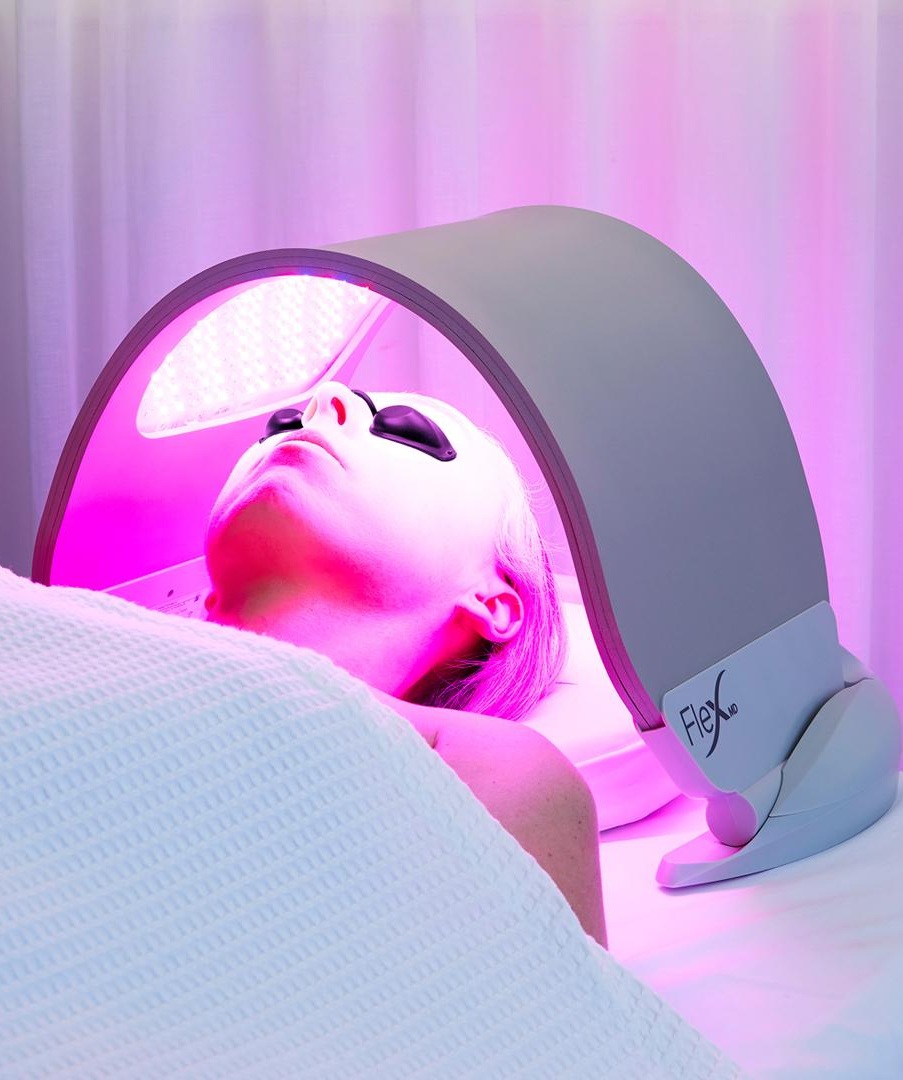
LED light therapy has become a popular addition to professional skin treatments, and one technology that stands out is Dermalux. Whether used after microneedling, chemical peels, laser procedures or injectable treatments, Dermalux LED sessions are now widely recommended to support faster and more comfortable healing. But does it truly help? This article explores how Dermalux works and why it may improve post-treatment recovery.
What Is Dermalux?
Dermalux is a non-invasive LED phototherapy system that uses clinically proven wavelengths of light to stimulate natural skin repair. It usually combines three therapeutic wavelengths:
- Blue light (415nm) – targets acne-causing bacteria.
- Red light (633nm) – reduces inflammation and boosts cell regeneration.
- Near-infrared light (830nm) – supports deep-level healing and strengthens tissue.
Unlike heat-based devices or lasers, LED light does not damage the skin. Instead, it triggers biochemical reactions within cells that enhance repair, hydration and collagen activity.
Why the Skin Needs Support After Treatments
Most advanced skin procedures create controlled micro-injuries or exfoliation to stimulate renewal. This is essential for improving texture, pigmentation, and fine lines, but it also means:
The skin becomes more sensitive, inflammation increases temporarily, and the barrier may take time to recover. Supporting this phase is crucial because it influences how quickly results appear and how comfortable the healing process feels.
How Dermalux Supports Skin Healing
1. Reduces Redness and Inflammation
Red light is known for its calming, anti-inflammatory benefits. After microneedling, chemical peels or laser resurfacing, the skin often appears flushed or irritated. Dermalux helps minimise this response by reducing swelling and improving circulation, allowing redness to fade more quickly.
2. Accelerates Cell Regeneration
Red and near-infrared wavelengths boost ATP (cellular energy) production, speeding up tissue repair. This makes Dermalux especially helpful immediately after microneedling, enhancing the body’s wound-healing response for smoother results.
3. Supports Collagen Formation
Dermalux stimulates fibroblasts—the cells responsible for making collagen and elastin. Using it during recovery strengthens the skin, supporting long-term rejuvenation.
4. Strengthens the Skin Barrier
Procedures like peels or dermaplaning can temporarily weaken the barrier. LED therapy helps improve moisture retention and barrier recovery, keeping the skin better protected during healing.
5. Minimises Downtime
Because Dermalux helps inflammation subside faster and supports efficient cellular repair, many clients experience shorter downtime and visibly calmer skin within hours.
When Is Dermalux Most Beneficial?
Dermalux can be safely used after treatments such as:
- Microneedling
- Chemical Peels
- Laser Treatments
- Injectable treatments (LED-safe)
- Hydrafacial or similar treatments
- Dermaplaning
It is especially helpful for clients who experience sensitivity, redness or slow healing.
Is It Safe for All Skin Types?
Yes. Dermalux is gentle, non-invasive and clinically tested. It is suitable for sensitive skin, rosacea-prone skin, dehydration, or compromised skin barriers. The risk of side effects is extremely low.
How Many Sessions Are Needed?
For post-treatment healing, clinics often recommend one Dermalux session immediately after the procedure, followed by 1–2 sessions over the next week. For long-term skin conditions, a course of 6–12 sessions may be suggested.
What Results Can You Expect?
Most people report:
- Reduced redness within hours
- Less post-treatment discomfort
- Faster recovery time
- Brighter, more even skin
- Improved hydration
- Smoother texture as healing progresses
Final Verdict: Can Dermalux Improve Skin Healing?
Yes Dermalux can significantly improve skin healing after aesthetic treatments. By reducing inflammation, accelerating repair, supporting collagen production and restoring the barrier, it enhances both comfort and treatment outcomes. For anyone undergoing regular skin procedures, LED phototherapy can be a powerful addition to their recovery plan. learn more here – https://drkasia.co.uk/treatments/dermalux