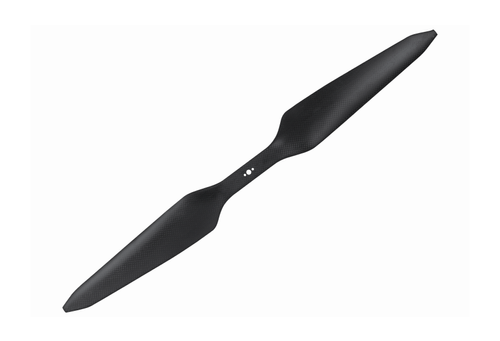
Best Propeller For Drone
In the fast-paced world of drone technology, picking the right components for your UAV (Unmanned Aerial Vehicle) is vital for boosting performance and ensuring safety. One of the most critical components is the best propeller for drone. Whether you’re an enthusiastic hobbyist, a professional drone operator, or involved in manufacturing, grasping the nuances of selecting the best propeller for your drone can have a huge impact on how efficiently and stably it flies.
Understanding Propeller Basics
Think of a drone propeller as a fan that transforms rotational motion into thrust. This thrust is what lifts the drone, helps it maneuver, and keeps it stable in the air. The propeller’s efficiency and effectiveness are key players in your UAV’s overall performance. With so many shapes, sizes, materials, and configurations available, each propeller will affect your drone’s flying characteristics in unique ways.
Key Factors in Selecting the Best Propeller for Your Drone
Finding the right propeller for your drone means considering several essential factors. These elements will influence how well the propeller performs under different conditions and for various applications.
- Size and Pitch
The size of a propeller usually refers to its diameter. Bigger propellers can generate more thrust, making them ideal for heftier drones. However, they also need more power and might not be as efficient at high speeds. The pitch of a propeller describes the angle of the blades, affecting how much air they push with each rotation. A higher pitch can boost speed but demands more power, while a lower pitch provides better control and efficiency.
- Material Composition
Propellers are typically made from materials like plastic, carbon fiber, and wood. Each has its pros and cons. Plastic propellers are budget-friendly and flexible, making them great for beginners. On the other hand, carbon fiber propellers are strong and lightweight, delivering excellent performance and durability, which is why many professionals prefer them. Wood propellers offer a classic look and a smooth flying experience, but they’re not as common in today’s drones.
- Number of Blades
While most drone propellers come with two blades, you can also find three or four-blade options. More blades can enhance lift and stability, but they can also add weight and drag, which might reduce efficiency. Two-blade propellers tend to be more efficient and easier to balance, while three or four-blade designs can provide greater thrust and improved performance, especially in windy conditions.
Improving UAV Performance with the Right Propeller
Choosing the right propeller for your drone can really boost its performance. Here’s how:
– Increased Efficiency: Picking the right size and pitch helps strike a balance between speed and power use, which can lead to longer flight times.
– Stability and Control: Well-matched propellers enhance maneuverability and stability—critical for capturing stunning aerial footage or executing complex flight patterns.
– Noise Reduction: Certain propeller designs and materials can help lower noise levels, making your drone operation less intrusive.
Safety Considerations
Safety should always be a top priority in aviation, and that includes propellers. Using incorrectly sized or poorly made propellers can cause vibrations, loss of control, or even disastrous failures. Always make sure your propellers are well-balanced and securely attached to keep accidents at bay.
Future Trends in Drone Propeller Technology
As drone technology continues to progress, so do propeller designs and innovations. Here are some trends to keep an eye on:
– Advanced Materials: New composite materials are being developed to create lighter, stronger, and more efficient propellers, which will enhance drone performance.
– Smart Propellers: The future may bring sensors and smart technologies integrated into propellers, offering real-time data on performance and health, and enabling proactive maintenance and optimization.
– Environmentally Friendly Options: With sustainability becoming a priority, we might see more biodegradable and recyclable propellers, helping to reduce the environmental impact of drone operations.
Conclusion
Choosing the right propeller for your drone is a crucial step in unlocking its full potential, whether you’re flying for fun, commercial purposes, or industrial applications. By grasping the key factors like size, pitch, material, and the number of blades, you can make informed choices that will enhance flight efficiency, stability, and safety. As technology keeps advancing, staying updated on new trends will help you stay ahead in the ever-evolving world of drones.