Have you been staring at your tired, stained concrete floors, wondering what to do with them? Perhaps you’re building a new home and want flooring that can handle Australia’s harsh conditions? Or maybe you’ve heard about epoxy flooring for homes but aren’t sure if it’s the right choice for your space?
You’re not alone. Epoxy flooring for residential applications has exploded in popularity across Australia over recent years. Homeowners are discovering that this durable, attractive flooring option offers brilliant value for money. From garages to kitchens, living areas to bathrooms, residential epoxy flooring is transforming how Australians think about concrete surfaces.
In this guide, we’ll walk you through everything you need to know about choosing the right epoxy concrete coating in Melbourne. You’ll learn about the different types of epoxy flooring available, understand how thickness affects performance, and discover which option works best for each room in your home. We’ll also tackle the age-old question of whether to paint or epoxy your garage floor, plus give you realistic expectations about resin flooring for residential use. By the end, you’ll feel confident making the right choice for your space.
Understanding the Different Types of Epoxy Flooring
When it comes to epoxy flooring type options, not all coatings are created equal. Understanding the differences will help you pick the perfect product for your needs.
Water-Based Epoxy Coatings
Water-based epoxy coatings are the entry-level option for home epoxy flooring. They’re easier to apply, have low odour, and clean up with just water. These coatings work well for light-duty areas and offer decent protection for residential spaces. However, they’re thinner and less durable than other options.
Solvent-Based Epoxy Coatings
Solvent-based options sit in the middle ground. They penetrate concrete better than water-based alternatives and provide improved adhesion. The trade-off? Stronger fumes during application and longer curing times. Proper ventilation is essential when using these products.
100% Solid Epoxy Coatings
For maximum durability, 100% solid epoxy coatings are the gold standard. They contain no solvents or water, meaning what you apply is what remains after curing. This type of epoxy flooring offers superior thickness, chemical resistance, and longevity. Professional installers typically use this option for high-traffic areas.
Poured Epoxy Flooring for Residential Use
Poured epoxy flooring in residential applications creates stunning, seamless surfaces. This method involves pouring a self-levelling epoxy mixture that flows across the floor, creating a perfectly smooth finish. It’s particularly popular for creating decorative metallic or marble-effect floors in living spaces.
Is It Better to Paint or Epoxy Your Garage Floor?
This question pops up constantly among Australian homeowners, and it’s a fair one. Both options improve the look of concrete, but they perform quite differently.
Comparing Durability and Longevity
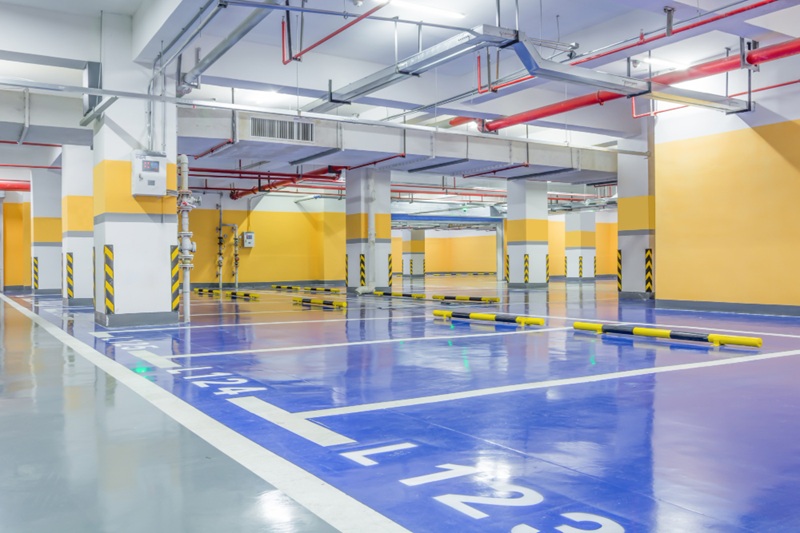
When comparing the best garage floor paints versus epoxy, durability is where epoxy shines. Painting garage floor epoxy creates a chemical bond with concrete that simple paint cannot match. While good concrete paint might last 2-3 years in a garage, quality epoxy can protect your floor for 10-20 years with proper care.
Epoxy resists tyre marks, oil stains, and chemical spills far better than paint. It won’t peel or flake under the weight of vehicles or heavy equipment. For Australian garages that double as workshops, this durability matters enormously.
Cost Differences: Best Garage Floor Paints vs Epoxy
Yes, the best concrete paint Australia offers costs less upfront than epoxy. A quality concrete paint might run $50-100 for a single-car garage, while epoxy kits start around $200-400. However, factor in reapplication costs for paint every few years, and epoxy often wins on long-term value.
Which Option Suits Australian Conditions?
Australian conditions are tough on flooring. Extreme heat, UV exposure, and temperature fluctuations test any coating. Epoxy handles these challenges better than paint, making it the smarter choice for most Australian garages. If you’re asking, “Is it better to paint or epoxy garage floor?” the answer is usually epoxy—unless budget constraints are significant.
Epoxy Flooring Thickness: What You Need to Know
Epoxy coating thickness directly impacts performance, appearance, and cost. Getting this right is crucial for a successful project.
Standard Epoxy Coating Thickness for Different Applications
Epoxy flooring thickness varies depending on the intended use. For residential applications, here’s what to expect:
- Light-duty areas: 150-300 microns (0.15-0.3mm)
- Standard residential: 300-500 microns (0.3-0.5mm)
- Heavy-duty garages: 500-1000 microns (0.5-1mm)
- Industrial applications: 1000+ microns (1mm+)
Most home epoxy flooring falls in the 300-500 micron range, providing excellent durability without high cost.
How Thickness Affects Performance and Cost?
Thicker coatings offer better impact resistance, chemical protection, and longevity. They also hide minor concrete imperfections more effectively. However, increased thickness means more material and higher costs. Finding the right balance between performance requirements and budget is key.
Room-by-Room Guide to Indoor Epoxy Flooring
Indoor epoxy flooring isn’t just for garages anymore. Let’s explore how epoxy interior floor applications work in different spaces.
Epoxy Flooring in Kitchens: Practical Considerations
Epoxy flooring in kitchen spaces offers fantastic benefits. It’s seamless, meaning no grout lines to trap food particles or bacteria. Epoxy kitchen floor residential applications resist stains from wine, oil, and food spills. Cleaning is a breeze—just mop and go.
However, epoxy flooring on kitchen surfaces can be slippery when wet. Adding anti-slip additives solves this problem nicely. Also, dropped items may chip or crack, so consider rugs in high-drop zones.
Residential Epoxy Bathroom Floors: Pros and Cons
A residential epoxy bathroom floor creates a stunning, waterproof surface. The seamless nature eliminates mould-prone grout lines. Plus, decorative options like metallic or flake finishes add serious wow factor.
On the flip side, bathrooms require careful surface preparation and proper drainage considerations. Moisture trapped beneath epoxy can cause failure, so professional installation is often worthwhile here.
Interior Epoxy Flooring for Living Areas
Interior epoxy flooring transforms living rooms, dining areas, and bedrooms. Modern decorative techniques create floors resembling polished concrete, marble, or even custom artistic designs. The result? A unique, durable surface that becomes a conversation piece.
For epoxy flooring interior applications in living spaces, comfort underfoot matters. Epoxy is harder than carpet or timber, so rugs and furniture placement become important considerations.
Garage and Workshop Applications
Garages remain the most popular spot for epoxy flooring in houses. The combination of durability, chemical resistance, and easy cleaning makes it ideal. Workshop areas benefit from epoxy’s ability to handle dropped tools, rolling equipment, and various spills without permanent damage.
Resin Flooring Residential Cost: What to Budget For
Understanding resin flooring for residential use helps set realistic expectations for your project.
Factors That Influence Pricing in Australia
Several factors affect epoxy resin flooring residential pricing:
- Floor size: Larger areas reduce per-square-metre costs
- Concrete condition: Damaged or uneven concrete needs preparation work
- Epoxy type: 100% solids cost more than water-based options
- Decorative finishes: Metallic, flake, or custom designs increase prices
- DIY vs professional: Professional installation adds labour costs
Epoxy Resin Flooring for Homes: Value for Money
When evaluating epoxy resin flooring for homes, consider the total cost of ownership. A professionally installed epoxy floor lasting 15-20 years often costs less per year than cheaper alternatives requiring frequent replacement. Plus, epoxy can increase property value and appeal to future buyers.
Choosing the Best Concrete Paint in Australia
Sometimes epoxy isn’t the answer. Understanding when paint makes sense helps you make informed decisions.
What Makes a Good Concrete Paint?
The best concrete paint Australia products share certain qualities. They bond well to concrete, resist UV damage, handle foot traffic, and apply easily. Look for paints specifically formulated for concrete rather than general-purpose options.
Good concrete paint should also offer reasonable coverage rates and dry times suitable for Australian conditions. Water-based options with low VOCs are increasingly popular for their environmental and health benefits.
When to Choose Paint Over Epoxy?
Paint makes sense for low-traffic areas, temporary solutions, or extremely tight budgets. Outdoor areas sometimes suit specialised concrete paints better than epoxy, which can yellow with UV exposure. Rental properties where landlord approval for epoxy might be difficult also benefit from removable paint options.
Key Factors to Consider Before Installing Epoxy Flooring in Houses
Before jumping into epoxy floor residential installation, consider these crucial factors:
- Concrete moisture: Excess moisture causes epoxy failure. Test before proceeding.
- Temperature requirements: Most epoxies need 10-30°C for proper curing.
- Downtime: Floors need 24-72 hours before light use, longer for vehicles.
- Surface preparation: Proper cleaning, repairs, and etching are essential.
- Plans: Consider how flooring choices affect potential renovations.
Taking time to address these factors upfront prevents costly mistakes and ensures your epoxy flooring for homes performs as expected.
Making the Right Choice for Your Space
Choosing the right epoxy concrete coating doesn’t have to feel overwhelming. We’ve covered the main types of epoxy flooring, from budget-friendly water-based options to premium 100% solids. You now understand how epoxy coating thickness affects performance and why epoxy typically beats paint for garage applications.
The beauty of epoxy flooring for home applications lies in its versatility. Whether you want a practical garage surface, a stunning kitchen floor, or a unique living area feature, there’s an epoxy solution that fits. Consider your specific needs, budget, and how each space will be used when making your decision.
My recommendation? For most Australian homes, investing in quality epoxy flooring pays dividends over time. The durability, easy maintenance, and aesthetic options make it a smart choice. Start with your garage to gain confidence, then consider expanding to other areas. Whatever you choose, proper preparation and realistic expectations will ensure you’re thrilled with the results for years to come.