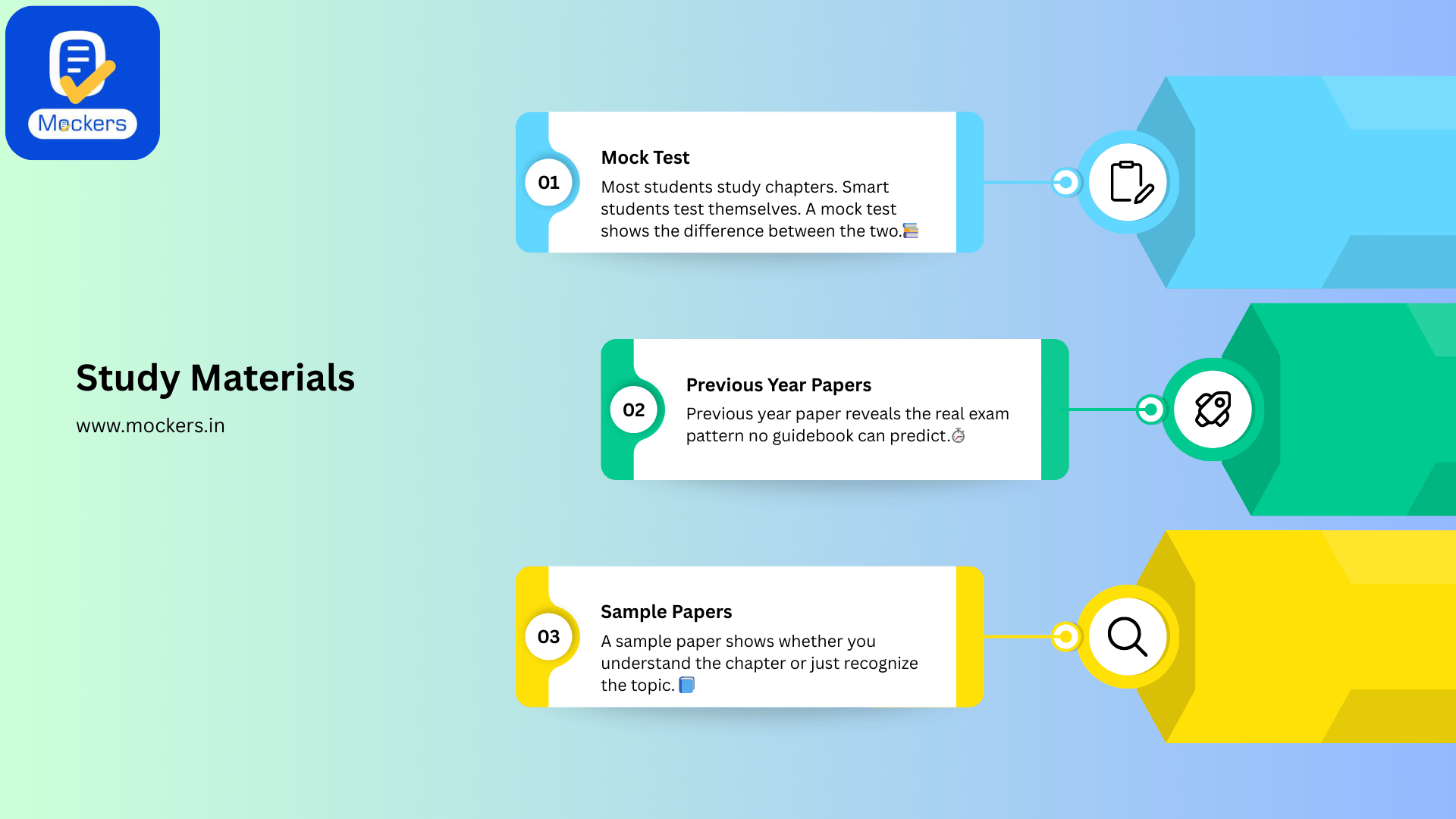
But here is the problem most people ignore. Progress in preparation is not measured by how much you cover. It is measured by how well you perform under exam conditions. And that reality only becomes clear when a student attempts a CUET PG Mock Test seriously.
There is a pattern seen every year in postgraduate entrance preparation. Students begin with strong intent. They collect resources, follow a study plan, and keep pushing through the syllabus. Parents see consistency and assume progress is happening.
The Comfort Zone That Slows You Down
Studying at your own pace creates a comfort zone. You read a topic, understand it, and feel confident. If a question feels difficult, you take extra time or check the solution. This is not how the actual exam works.
In the real test, you do not get extra time. You cannot pause and think endlessly. You must decide quickly whether to attempt or skip. That pressure changes everything. A CUET PG Mock Test removes that comfort. It forces you to operate within limits. It shows whether your preparation can handle real constraints.
Why Most Students Start Testing Too Late
One of the biggest mistakes is delaying mock tests. Students think they should “complete the syllabus first” and then start testing. That sounds logical, but it is inefficient. By the time they start giving mocks, there is very little time left to improve.
When they finally attempt a test, they realise issues like slow speed, weak accuracy, or poor time allocation. Fixing these problems takes time. Starting early with a CUET PG Mock Test gives you that time. You identify weaknesses sooner and adjust your preparation while there is still room to improve.
The Real Value of CUET PG Sample Paper
Many students treat a CUET PG Sample Paper as optional practice. That mindset is flawed. Sample papers are not just for practice. They are tools to train your brain for the exam format. They show how different topics are combined in a single paper and how question difficulty can vary. More importantly, they help build focus.
A long exam requires sustained concentration. Without practice, students often lose attention midway, even if they know the answers. Regular practice with a CUET PG Sample Paper improves this endurance.
What Mock Tests Actually Teach You
Mock tests do more than check your knowledge. They teach you:
- How to handle pressure
- How to decide quickly
- How to manage time across sections
- How to avoid negative marking
These are performance skills, not theoretical concepts. And they can only be developed through repeated testing. Students who rely only on notes and revision miss this entire layer of preparation.
The Brutal Truth About Scores
Many students avoid mock tests because they fear low scores. That is a mistake. A low score early in preparation is useful. It tells you exactly what is wrong. A low score in the actual exam is not.
A CUET PG Mock Test gives you a safe environment to fail, learn, and improve. Avoiding it only delays the problem. Parents should also understand this clearly. Mock scores are not final results. They are feedback. The goal is not to score high immediately. The goal is to improve consistently.
From Random Effort to Structured Strategy
Without testing, preparation remains random. Students keep studying without knowing whether it is effective. With regular mock tests, preparation becomes structured.
Students start planning their attempts. They understand their strengths and weaknesses. They refine their approach after every test. This shift from random effort to structured strategy is what separates serious aspirants from average ones.
Conclusion
Postgraduate entrance exams are not just about knowledge. They are about performance under pressure. A CUET PG Mock Test exposes real preparation levels and builds decision-making skills. A CUET PG Sample Paper strengthens execution and improves focus during long tests. Together, they turn preparation into a measurable and improvable process.