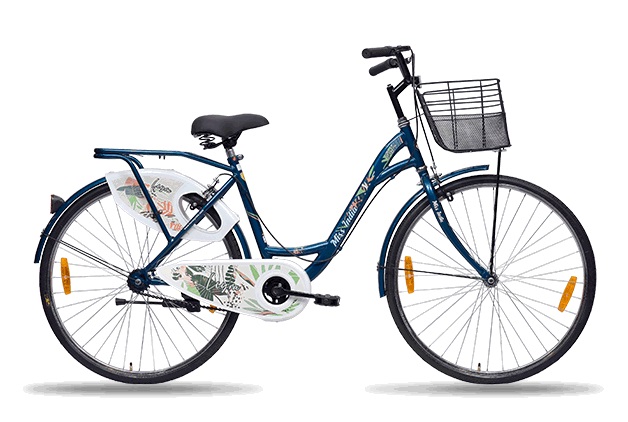
Cycling has become one of the most popular activities for fitness, recreation, and daily commuting. For women who are just beginning their cycling journey, the experience can be both exciting and empowering. Riding a bicycle offers freedom, improves physical health, and provides an enjoyable way to explore the outdoors. However, starting something new can feel challenging without the right guidance.
Understanding the basics of equipment, safety, riding techniques, and maintenance can make the transition into cycling much smoother. With the right preparation and mindset, beginners can quickly build confidence and develop a lifelong passion for riding. Today, many beginners are exploring cycles for women that are designed to provide comfort, stability, and ease of use for new riders.
Why Cycling Is a Great Choice for Beginners
Cycling is one of the most accessible forms of exercise. Unlike many sports that require extensive training or expensive equipment, riding a bicycle is relatively simple to learn and adaptable to different fitness levels.
Health Benefits
Regular cycling can offer several health advantages:
- Improved cardiovascular fitness
- Increased muscle strength and flexibility
- Better joint mobility
- Reduced stress levels
- Enhanced overall endurance
Cycling also helps maintain a healthy weight while improving mental well-being. Spending time outdoors while riding can boost mood and reduce anxiety.
Choosing the Right Bicycle
Selecting the right bike is the first step toward a comfortable riding experience. Different models are designed for specific purposes such as commuting, leisure rides, or off-road adventures.
Key Factors to Consider
Frame Size
A properly sized frame ensures comfort and control. Riders should be able to stand over the frame with both feet flat on the ground.
Weight
Lightweight bikes are easier to handle and maneuver, especially for beginners.
Handlebar Design
Flat handlebars provide better balance and control compared to racing-style drop handlebars.
Many beginners prefer cycles for women because they often feature step-through frames and ergonomic designs that make mounting and riding easier.
Understanding Basic Bicycle Components
Before starting your first ride, it’s helpful to understand the main parts of a bicycle.
Important Components
Frame:
The main structure that holds the bike together.
Wheels and Tires:
Provide traction and stability on different surfaces.
Brakes:
Allow riders to slow down or stop safely.
Chain and Gears:
Help transfer pedaling power to the wheels.
Learning these components will make maintenance and troubleshooting much easier.
Essential Safety Gear
Safety should always be a priority when cycling. Wearing proper protective gear can significantly reduce the risk of injury.
Must-Have Safety Equipment
- Helmet
- Gloves
- Reflective clothing
- Front and rear lights
- Bell or horn
A well-fitted helmet is especially important because it protects the head in case of a fall.
Start with Short and Easy Rides
Beginners should start with short rides on flat and quiet roads. This allows riders to focus on balance and control without dealing with traffic or challenging terrain.
Beginner Riding Plan
Week 1:
Ride for 10-15 minutes on smooth surfaces.
Week 2:
Increase ride duration to 20-30 minutes.
Week 3 and beyond:
Gradually explore longer routes and different terrains.
Consistency is more important than intensity when building endurance.
Learn Proper Riding Posture
Good posture improves comfort and prevents fatigue.
Correct Cycling Position
- Keep your back straight but relaxed.
- Slightly bend your elbows to absorb shocks.
- Position the saddle so your knees are slightly bent when pedaling.
Proper posture helps reduce strain on the neck, shoulders, and lower back.
Practice Braking Techniques
Learning how to brake smoothly is an essential skill.
Braking Tips for Beginners
- Use both front and rear brakes together.
- Avoid sudden braking, especially on wet roads.
- Slow down gradually before stopping.
Practicing braking in a safe area can help build confidence before riding in busier environments.
Understand Gear Shifting
Many bicycles include gears that help riders manage different terrains.
When to Use Different Gears
- Lower gears for climbing hills
- Higher gears for flat roads
- Medium gears for moderate slopes
Changing gears smoothly prevents unnecessary strain on the bike and the rider.
Stay Hydrated and Energized
Even short rides require proper hydration. Carrying a water bottle ensures that you stay refreshed during your ride.
For longer rides, consider bringing light snacks such as fruits, nuts, or energy bars.
Proper nutrition helps maintain energy levels and prevents fatigue.
Join a Cycling Community
Cycling with others can make the experience more enjoyable and motivating.
Benefits of Riding in Groups
- Increased safety
- Opportunities to learn from experienced riders
- Social interaction and encouragement
Local cycling groups often organize beginner-friendly rides that help new cyclists gain confidence.
Learn Basic Bicycle Maintenance
Basic maintenance skills ensure that your bike stays in good condition.
Simple Maintenance Tasks
- Checking tire pressure
- Lubricating the chain
- Inspecting brakes
- Tightening bolts
Performing these small checks regularly prevents mechanical problems and keeps rides safe.
Encouraging More Women to Ride
In recent years, cycling communities have been actively encouraging more women to participate in the sport.
Supportive environments, beginner workshops, and improved bicycle designs have made cycling more accessible than ever.
Choosing comfortable cycles for women can help beginners feel more confident and supported during their early rides.
Starting a cycling journey can be one of the most rewarding lifestyle changes a person can make. It combines fitness, freedom, and adventure while promoting both physical and mental well-being. With the right equipment, safety practices, and gradual learning approach, beginners can quickly develop the confidence needed to enjoy regular rides.
Understanding the basics such as proper posture, safe braking, and simple bike maintenance helps new riders avoid common mistakes and build strong foundations. Whether cycling for health, leisure, or commuting, beginners will find that regular riding becomes easier and more enjoyable over time.