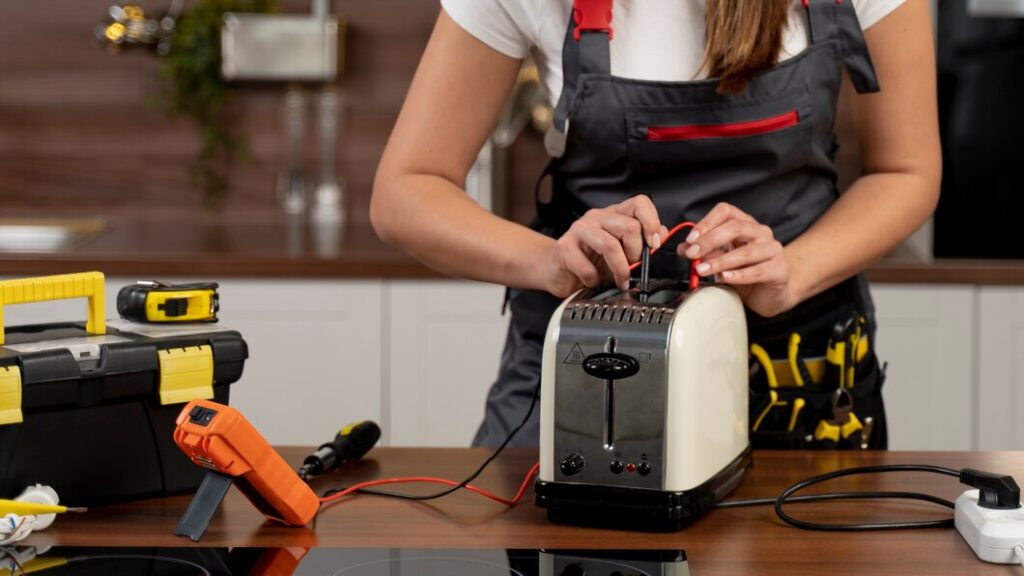
In a world driven by convenience and fast consumption, broken items are often tossed aside and replaced without a second thought. From clothing and electronics to furniture and household tools, many products end up in landfills long before they truly reach the end of their useful life. Learning DIY repair skills is a powerful way to break this cycle—helping you cut waste, save money, and become more self-reliant.
DIY repairs aren’t just about fixing things; they’re about changing how we value what we own. With a few basic skills and the right mindset, small repairs can make a big difference for both your wallet and the planet.
Why DIY Repair Skills Matter
Modern consumer culture encourages replacement over repair. Products are often designed to be disposable, and professional repair services can seem expensive or inconvenient. As a result, perfectly fixable items are discarded, contributing to environmental pollution and unnecessary spending.
DIY repair skills matter because they:
-
Reduce household waste and landfill contributions
-
Lower the demand for new products and raw materials
-
Save money on replacements and service fees
-
Extend the lifespan of everyday items
-
Build confidence, independence, and problem-solving skills
Repairing instead of replacing is one of the most practical ways to live more sustainably without sacrificing comfort or convenience.
Basic Clothing Repair Skills Everyone Should Know
Clothing is one of the biggest contributors to household waste, yet it’s also one of the easiest categories to repair at home. Learning a few basic sewing skills can significantly extend the life of your wardrobe.
Essential clothing repair skills include:
-
Sewing on buttons
-
Fixing small tears or loose seams
-
Hemming pants or skirts
-
Repairing zippers
-
Mending worn elbows or knees
These simple repairs require minimal tools—needle, thread, scissors—and can save you from constantly buying new clothes. Over time, clothing repair reduces textile waste and helps you get more value from what you already own.
Furniture Repair That Saves Big Money
Furniture replacements can be costly, but many common issues are surprisingly easy to fix. Wobbly chairs, scratched tables, and loose joints don’t always mean the furniture is beyond saving.
DIY furniture repair skills include:
-
Tightening loose screws and joints
-
Using wood glue to stabilize frames
-
Sanding and refinishing scratched surfaces
-
Replacing damaged drawer handles or hinges
-
Reinforcing weak chair legs
These small fixes can restore functionality and appearance without the expense of buying new furniture. Repairing furniture also prevents bulky items from ending up in landfills.
Simple Home Repairs That Reduce Waste
Many homeowners and renters call professionals for minor issues that could be handled with basic DIY knowledge. While complex repairs should be left to experts, simple home maintenance skills can prevent unnecessary replacements.
Useful DIY home repair skills:
-
Fixing leaky faucets
-
Replacing worn washers or seals
-
Patching small wall holes
-
Tightening cabinet doors
-
Fixing squeaky hinges
These repairs not only save money but also prevent small problems from escalating into larger, more expensive ones.
Electronics Repair: When to Fix Instead of Replace
Electronic waste is one of the fastest-growing waste streams globally. While not all electronics can or should be repaired at home, many common issues are surprisingly manageable.
Beginner-friendly electronics repair skills include:
-
Replacing phone or laptop batteries
-
Fixing loose charging ports
-
Replacing broken screens with repair kits
-
Cleaning dust from devices to prevent overheating
-
Replacing worn cables instead of entire devices
Learning when a repair is feasible helps you avoid unnecessary upgrades and reduces e-waste. Even extending a device’s life by one or two years has a meaningful environmental impact.
Appliance Repairs That Pay Off
Small household appliances often get discarded due to minor faults. However, many issues stem from simple wear-and-tear parts rather than complete failure.
DIY appliance repair skills may include:
-
Replacing filters in vacuum cleaners
-
Fixing broken switches or knobs
-
Clearing blockages in washing machines
-
Replacing worn belts or hoses
-
Resetting tripped safety mechanisms
By repairing instead of replacing, you save money and reduce the energy and materials needed to manufacture new appliances.
The Financial Benefits of DIY Repair Skills
One of the biggest motivations for learning DIY repair skills is cost savings. Repairing an item usually costs a fraction of what replacement would, especially when labor fees are eliminated.
Financial benefits include:
-
Lower household expenses
-
Fewer impulse purchases
-
Reduced reliance on professional services
-
Better budgeting and long-term savings
Over time, the savings from DIY repairs can add up significantly, making repair skills a smart financial investment.
Environmental Impact of Repairing Instead of Replacing
Every repaired item represents resources saved—raw materials, energy, water, and transportation emissions. Repairing reduces demand for new manufacturing and helps combat the throwaway culture.
Environmental benefits of DIY repairs:
-
Less waste sent to landfills
-
Reduced carbon footprint
-
Conservation of natural resources
-
Support for a circular economy
DIY repair skills align perfectly with sustainable living by encouraging reuse, responsibility, and mindful consumption.
How to Start Learning DIY Repair Skills
Getting started doesn’t require advanced tools or technical expertise. Begin with simple projects and gradually build confidence.
Tips for beginners:
-
Start with low-risk repairs
-
Watch tutorials and step-by-step guides
-
Invest in basic tools
-
Practice patience and trial-and-error
-
Learn from mistakes
Repair cafés, online communities, and how-to guides make learning more accessible than ever.
Final Thoughts: Repair as a Lifestyle Choice
DIY repair skills that cut waste and save money are about more than fixing broken items—they represent a shift in mindset. Choosing to repair fosters appreciation for what you own and encourages a more sustainable way of living.
By learning how to mend, fix, tighten, and restore, you reduce waste, save money, and contribute to a healthier planet. In a world that encourages replacement, choosing repair is a powerful act of sustainability and self-reliance.