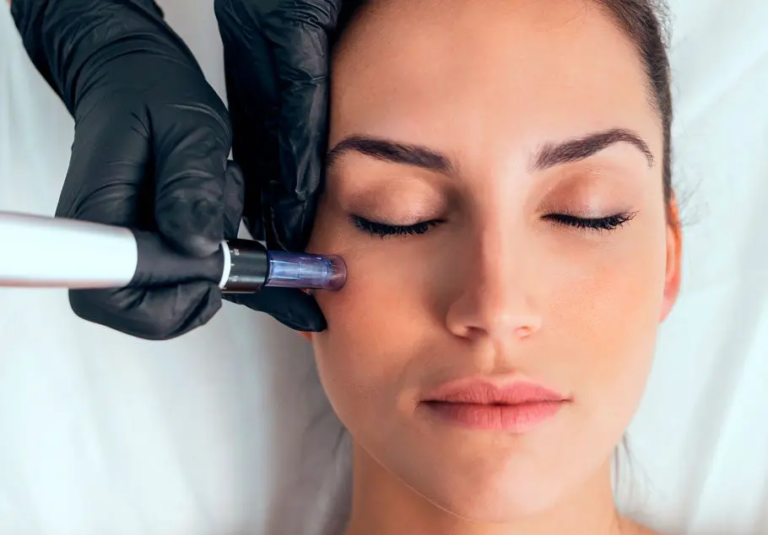
How Microneedling Works
Microneedling involves creating tiny, controlled micro-channels in the skin using fine needles. These micro-injuries trigger the body’s natural healing process, which stimulates the production of collagen and elastin. Collagen strengthens the skin’s structure, while elastin maintains its elasticity, both of which are essential for reducing the appearance of fine lines.
By promoting the skin’s natural repair mechanisms, microneedling improves texture, firmness, and smoothness over time. The procedure also enhances the penetration of topical products, allowing nourishing ingredients to reach deeper layers for added support.
The Mechanism Behind Fine Line Reduction
Fine lines occur when the skin loses its natural collagen and elastin, often due to aging, sun exposure, or environmental factors. Microneedling helps counteract this process by stimulating collagen production, filling in the tiny depressions that contribute to visible lines.
The micro-injuries also encourage cellular turnover, leading to a fresher, more youthful surface. Over multiple sessions, the cumulative effect of collagen remodeling gradually smooths fine lines and improves skin elasticity.
Immediate and Long-Term Effects
Immediately after treatment, the skin may appear refreshed and slightly plumper due to increased circulation and temporary swelling. These short-term changes can create a subtle improvement in the appearance of fine lines.
Long-term effects develop as collagen and elastin accumulate in the deeper layers of the skin. Repeated treatments strengthen the skin’s structure, making fine lines less noticeable. With consistent sessions, many individuals observe gradual smoothing, improved firmness, and enhanced overall texture.
Factors Affecting Fine Line Reduction
Skin Type and Sensitivity
Different skin types respond differently to microneedling. Sensitive skin may require gentler treatments and slightly longer intervals between sessions, while resilient skin can often tolerate deeper treatments for more pronounced results.
Depth and Frequency of Treatment
The depth of the needles and the frequency of sessions significantly influence outcomes. Deeper treatments targeting structural layers of the skin can stimulate more collagen production, while appropriately spaced sessions allow the skin to heal and strengthen between treatments.
Age and Skin Condition
Younger skin with mild fine lines may respond more quickly to microneedling, while older skin or areas with more pronounced lines may require multiple sessions for noticeable improvements. Overall skin health, hydration, and elasticity also play a role in results.
Supporting Fine Line Reduction
To maximize the effects of microneedling, supporting the skin with proper care is important. Hydration, gentle skincare, and nutrient-rich products can enhance healing and encourage collagen formation. Proper post-treatment care helps maintain the skin’s improved texture and ensures sustained benefits.
Consistency is key. While a single session may provide minor improvements, repeated treatments over time lead to more significant reduction of fine lines and overall rejuvenation.
Areas Most Affected by Fine Lines
Microneedling can be used on various areas of the face and body where fine lines appear, including around the eyes, forehead, and mouth. Areas with thinner skin may respond more sensitively, requiring careful adjustment of needle depth and technique.
Over time, the cumulative effect of collagen stimulation helps smooth these areas, resulting in a more youthful and even appearance.
Frequently Asked Questions
Can microneedling completely eliminate fine lines?
Microneedling improves fine lines effectively, especially early signs of aging. Deep lines may require additional treatments or complementary procedures for optimal results.
How many sessions are needed to see improvements?
Visible improvements often appear after a few sessions, while more significant reduction develops over multiple treatments spaced appropriately.
Is the procedure painful when targeting fine lines?
Most people experience mild prickling or tingling. Numbing creams or gentle techniques can enhance comfort, particularly in sensitive areas.
How long does it take for collagen production to affect fine lines?
Collagen production continues over several weeks, so noticeable smoothing often appears gradually after each session.
Does skin type affect how well microneedling works for fine lines?
Yes, sensitive or delicate skin may require gentler treatments, while resilient skin can tolerate deeper sessions for faster improvement.
Can microneedling be combined with skincare for better results?
Yes, enhanced absorption of serums or hydrating products after treatment supports collagen formation and helps reduce fine lines more effectively.
Are results permanent?
Results are long-lasting with consistent care and maintenance, though natural aging will continue to affect the skin over time.
Is microneedling effective for fine lines on all areas of the face?
Yes, it can improve fine lines in most facial areas, including delicate regions like around the eyes and mouth, when performed with appropriate techniques.
Conclusion
Microneedling is an effective option for reducing fine lines, particularly early signs of aging. By stimulating collagen and elastin production, encouraging cellular turnover, and supporting skin renewal, it gradually smooths lines and improves overall texture. Results develop over multiple sessions and are enhanced with proper post-treatment care and hydration. While deep lines may require additional strategies, microneedling remains a reliable and minimally invasive method for achieving smoother, firmer, and more youthful-looking skin.