What Is Dental Plaque
Dental plaque is a soft, sticky film made up of bacteria, food particles, and saliva. It forms continuously on the surfaces of teeth and along the gumline. When sugars and carbohydrates are consumed, bacteria in plaque produce acids that can weaken tooth enamel. If plaque is not removed promptly, it can harden into tartar, which is more difficult to eliminate.
Plaque is not always visible, especially in the early stages. It can accumulate between teeth and beneath the gumline, areas that are difficult to reach with a toothbrush alone. This is why consistent oral hygiene and professional cleaning are both essential components of maintaining healthy teeth and gums.
How Professional Teeth Cleaning Works
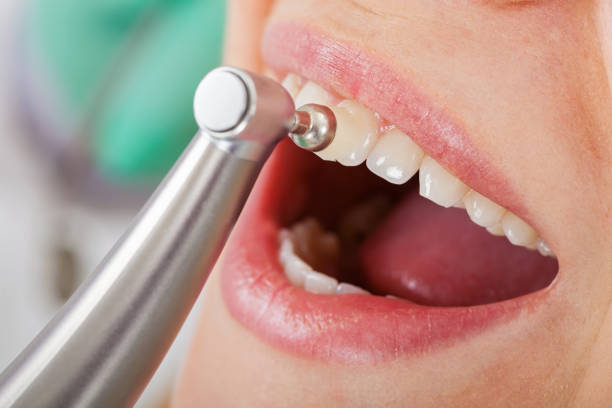
Professional teeth cleaning is designed to remove plaque and tartar that accumulate over time. During the procedure, specialized instruments are used to carefully scale the surfaces of the teeth and remove hardened deposits. This includes cleaning along the gumline and between teeth where plaque tends to collect.
After scaling, teeth are polished to remove surface stains and smooth the enamel. Polishing also helps reduce the likelihood of plaque sticking to teeth in the near future. The thorough nature of professional cleaning ensures that areas missed during daily brushing are properly addressed.
Does Cleaning Remove All Plaque
Professional teeth cleaning is highly effective at removing existing plaque and tartar at the time of the appointment. It targets both visible and hidden buildup, including areas that are difficult to access at home. However, plaque begins forming again shortly after cleaning because it is a natural process in the mouth.
While professional cleaning removes accumulated plaque thoroughly, it does not permanently prevent new plaque from forming. This is why maintaining daily oral hygiene practices is essential. Brushing twice a day and flossing regularly help control plaque between professional visits.
The Difference Between Plaque and Tartar
Understanding the difference between plaque and tartar is important when discussing effectiveness. Plaque is soft and can usually be removed through proper brushing and flossing. Tartar, on the other hand, forms when plaque hardens due to mineral deposits from saliva. Once tartar forms, it cannot be removed with regular brushing.
Professional teeth cleaning effectively removes both plaque and tartar. The removal of tartar is particularly important because it creates a rough surface where more plaque can accumulate, increasing the risk of gum disease and tooth decay.
Areas That Require Special Attention
Certain areas of the mouth are more prone to plaque buildup. The back molars, the spaces between teeth, and the gumline are common spots where plaque accumulates. Individuals with crowded or misaligned teeth may experience additional challenges in keeping these areas clean.
Professional cleaning focuses on these high-risk areas to ensure thorough removal of plaque and tartar. By addressing these zones, cleaning significantly reduces the risk of cavities and gum inflammation.
Limitations of Teeth Cleaning
Although professional teeth cleaning is very effective, it has natural limitations. Cleaning removes current plaque and tartar but does not eliminate the bacteria permanently. Without consistent daily oral care, plaque can quickly reappear.
Additionally, individuals with advanced gum disease may require more specialized cleaning techniques to address deeper pockets beneath the gums. Routine cleanings are most effective when performed regularly before significant buildup occurs.
How Often Should Cleaning Be Done
For most adults, professional teeth cleaning every six months is sufficient to maintain oral health and control plaque buildup. However, some individuals may require more frequent cleanings depending on their oral health status and risk factors.
Those who are prone to heavy plaque accumulation or gum inflammation may benefit from shorter intervals between cleanings. A personalized schedule helps ensure that plaque does not progress into more serious dental concerns.
The Role of Daily Oral Hygiene
Professional cleaning works best when combined with consistent home care. Brushing with proper technique removes plaque before it hardens. Flossing helps eliminate debris and bacteria from between teeth. Using appropriate oral hygiene tools further supports plaque control.
Daily habits significantly influence how quickly plaque returns after cleaning. Individuals who maintain good oral hygiene are likely to experience longer-lasting benefits from professional cleaning.
Long-Term Benefits of Plaque Removal
Effective plaque removal contributes to long-term oral health. It reduces the risk of cavities, supports healthy gums, and helps preserve natural teeth. Consistent cleaning also improves the appearance of teeth by preventing stain buildup.
Maintaining a plaque-free environment promotes fresher breath and greater comfort while eating and speaking. Over time, regular cleaning combined with strong home care habits leads to stronger teeth and healthier gums.
Frequently Asked Questions About Plaque Removal and Teeth Cleaning
Does professional cleaning remove all plaque completely
Yes, professional cleaning removes all visible and hardened plaque present at the time of the appointment. However, plaque naturally begins forming again soon after, which makes daily care essential.
Can brushing alone remove all plaque
Brushing is effective for removing soft plaque on accessible surfaces, but it may not fully reach tight spaces between teeth or along the gumline. Flossing and professional cleaning are necessary for complete plaque control.
How long does it take for plaque to form again after cleaning
Plaque can begin forming within hours after eating. This is why brushing and flossing daily are important even after a professional cleaning.
Is tartar the same as plaque
No, tartar is hardened plaque. While plaque can be removed at home with proper brushing and flossing, tartar requires professional removal.
Can regular cleaning prevent cavities
Yes, by removing plaque and tartar, professional cleaning significantly reduces the risk of cavities and supports stronger enamel.
Why do I still get plaque even after cleaning
Plaque forms naturally in the mouth due to bacteria and food particles. Regular cleaning removes buildup, but ongoing oral hygiene is needed to control new plaque formation.
Does professional cleaning clean under the gums
Routine cleaning addresses plaque along the gumline. If deeper cleaning is required due to gum issues, additional procedures may be recommended to target areas beneath the gums.


