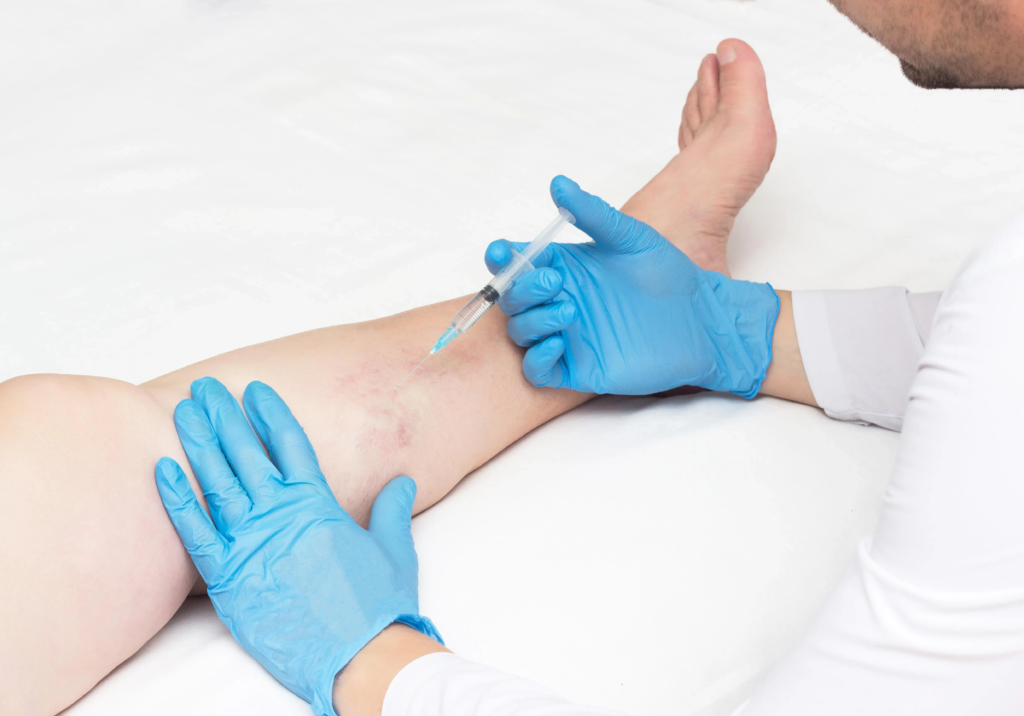
Understanding the Development of Varicose Veins
Varicose veins develop when the valves inside veins fail to function properly. Blood can pool in the lower limbs, causing veins to enlarge and become visible. Factors such as genetics, age, hormonal changes, prolonged standing, and lifestyle habits can contribute to their development.
Treatment focuses on addressing the veins that are already problematic. While it improves circulation and relieves symptoms, it cannot fully stop new veins from developing, as some risk factors remain.
How Treatment Addresses Existing Veins
Modern varicose veins treatments aim to:
-
Reduce discomfort, swelling, and heaviness in the legs
-
Improve circulation by closing or shrinking affected veins
-
Enhance the appearance of the legs
Procedures such as minimally invasive closure techniques or injectable therapies reroute blood flow through healthier veins, relieving pressure on damaged veins. While this treatment helps prevent the progression of existing veins, it does not eliminate underlying risk factors that could lead to new veins.
Supporting Healthy Vein Function
Although treatment cannot guarantee that new varicose veins will never form, it does improve overall leg circulation and vein health. By reducing pressure in weakened veins and enhancing blood flow, the legs are less likely to experience rapid deterioration of nearby veins.
Supportive strategies that can complement treatment include:
-
Regular walking or light exercise to improve circulation
-
Elevating the legs to reduce pooling
-
Using compression garments during long periods of standing or sitting
-
Maintaining a healthy weight to reduce stress on veins
These measures help minimize the risk of future vein issues and prolong the benefits of treatment.
Factors That Influence the Formation of New Veins
Several factors determine whether new veins may develop after treatment:
-
Genetics: Family history plays a significant role in vein health.
-
Age: Vein walls weaken over time, increasing susceptibility.
-
Hormonal Changes: Pregnancy or hormonal therapies can impact vein function.
-
Lifestyle: Prolonged standing or sitting and limited movement can contribute to new vein formation.
Being aware of these factors allows individuals to take proactive steps to maintain leg health after treatment.
Long-Term Management
Ongoing management is essential to maximize the benefits of varicose veins treatment. Even after successful treatment, incorporating circulation-supportive habits helps preserve leg health and reduce the likelihood of new veins forming. Regular check-ups or monitoring may also help detect and address new veins early.
FAQs About Preventing Future Varicose Veins
Can treatment guarantee that no new veins will form?
No. While treatment addresses existing veins and improves circulation, it cannot eliminate all risk factors that lead to new veins.
Does improving circulation help prevent new veins?
Yes. Better circulation reduces pressure on veins and supports overall vein health, which can slow the development of new veins.
Do men and women have different risks for new veins?
Both men and women can develop new veins. Hormonal changes in women or lifestyle factors in both genders influence risk.
Can lifestyle habits reduce the risk of future veins?
Yes. Exercise, leg elevation, and supportive garments can help reduce stress on veins and minimize new vein formation.
How soon should I follow up after treatment?
Monitoring and follow-up may vary by individual, but checking circulation and leg health regularly helps maintain results.
Does treatment help with cosmetic appearance if new veins form later?
Yes. Future veins can be treated if they develop, and ongoing care can maintain both comfort and appearance.
Conclusion
Varicose veins treatment effectively addresses existing veins, improves circulation, reduces discomfort, and enhances leg appearance. However, it does not fully prevent new veins from forming, as genetics, age, hormones, and lifestyle factors continue to influence vein health. Combining treatment with healthy habits—such as exercise, leg elevation, and supportive garments—supports long-term leg wellness and minimizes the risk of future vein issues.