Dental problems can happen unexpectedly and often bring intense pain, discomfort, or anxiety. While some dental issues can wait for a routine appointment, others need immediate professional attention.
Knowing when to seek urgent care can help prevent complications, reduce pain, and even save a tooth. Understanding the situations that require an Emergency Dental Service ensures you act quickly when it matters most.
Severe Toothache or Persistent Pain
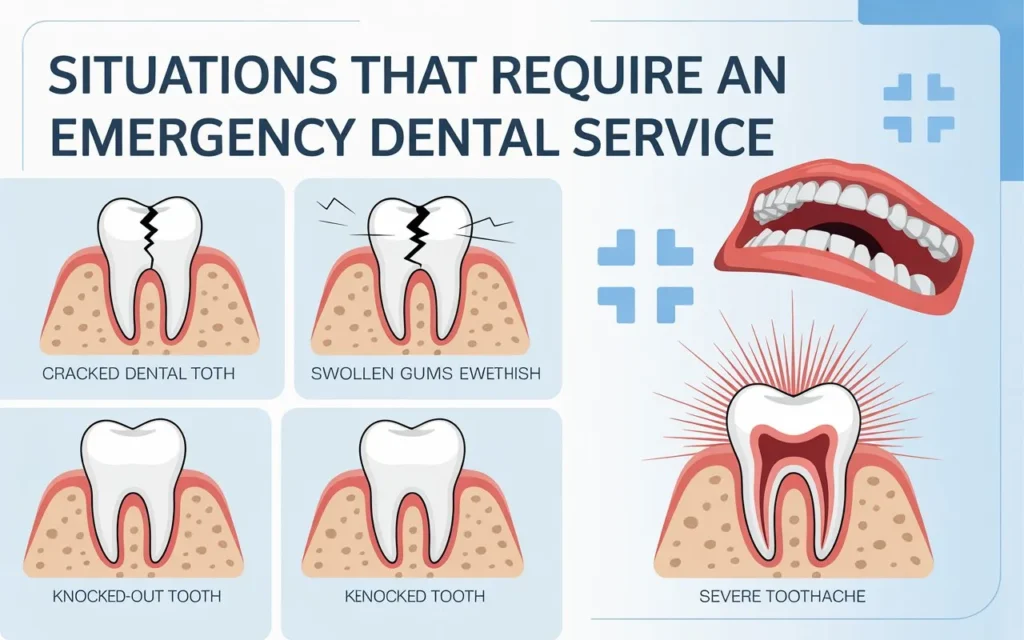
A sudden, intense toothache is one of the most common reasons people seek emergency dental care. Persistent pain may indicate deep decay, an infected nerve, or a dental abscess. Ignoring such pain can allow infection to spread to surrounding tissues or even into the bloodstream. If pain doesn’t subside with basic home remedies or worsens over time, it’s a clear sign you need immediate attention.
Knocked-Out Tooth
Accidents during sports, falls, or collisions can result in a knocked-out tooth. This is a true dental emergency, and timing is critical. If treated within an hour, there’s a high chance the tooth can be saved. Keeping the tooth moist and reaching a dentist immediately increases the likelihood of successful reimplantation. This situation requires quick action and professional expertise.
Broken, Cracked, or Chipped Teeth
While small chips may not always be urgent, a cracked or broken tooth accompanied by pain, bleeding, or sharp edges requires prompt care. Damage that exposes the inner layers of the tooth can lead to infection and sensitivity. Emergency treatment helps stabilize the tooth, relieve pain, and prevent further damage.
Dental Abscess or Swelling
A dental abscess is a serious infection that forms around the root of a tooth or in the gums. It often causes swelling, fever, foul taste, and severe pain. Swelling that spreads to the face, jaw, or neck can become dangerous if left untreated. Immediate dental intervention is essential to drain the infection and protect overall health.
Uncontrolled Bleeding
Bleeding that doesn’t stop after an injury, extraction, or dental procedure is a warning sign. Excessive or continuous bleeding may indicate trauma or an underlying condition that needs urgent care. Applying gentle pressure can help temporarily, but professional treatment is necessary to prevent complications.
Lost or Loose Fillings and Crowns
A lost dental filling treatment or crown may seem minor at first, but it can quickly expose the tooth to bacteria, causing pain and sensitivity. In some cases, the tooth may fracture without proper protection. Seeking an Emergency Dental Service can restore the filling or crown and protect the tooth from further harm.
Gum Infections and Sudden Swelling
Swollen, painful gums or sudden gum infections can signal serious periodontal issues or abscessformation. These conditions may cause difficulty eating, speaking, or opening the mouth. Emergency treatment helps manage infection, reduce inflammation, and prevent long-term damage to gums and supporting bone.
Jaw Pain or Trauma
Jaw pain following an accident or injury should never be ignored. It may indicate a fracture, dislocation, or severe joint issue. Immediate dental or medical care ensures proper diagnosis and treatment, preventing lasting damage to the jaw structure.
When Pain Interferes With Daily Life
Any dental issue that disrupts sleep, eating, or normal activities is considered urgent. Persistent discomfort affects quality of life and often signals a deeper problem. Seeking prompt care helps relieve pain and address the root cause before it worsens.
Using an Emergency Dental Service at the right time can mean the difference between saving and losing a tooth. Quick professional care not only relieves pain but also protects long-term oral and overall health.
Conclusion
Dental emergencies can occur without warning, and knowing how to respond is essential for protecting your oral health. From severe toothaches to accidents and infections, prompt treatment prevents complications and relieves pain effectively.
Seeking professional care at the right moment ensures faster recovery and better outcomes. When urgent dental problems arise, choosing a trusted Emergency Dental Service provides peace of mind and immediate relief when you need it most.
FAQs
1. How do I know if my dental issue is an emergency?
If you experience severe pain, swelling, bleeding, trauma, or a knocked-out tooth, it is considered a dental emergency and requires immediate care.
2. Can I wait until morning for dental pain?
Mild discomfort may wait, but intense or worsening pain should be addressed immediately to prevent infection or permanent damage.
3. What should I do before reaching a dentist in an emergency?
Rinse your mouth with warm water, apply a cold compress to reduce swelling, avoid chewing on the affected side, and seek professional help as soon as possible.