eyebrow hair transplant
Thin, uneven, or patchy eyebrows can subtly change how a face is perceived. Because brows frame the eyes and influence expressions, even small gaps may draw unwanted attention. Over time, people have turned to pencils, powders, serums, and semi-permanent techniques to fill in missing hair. While these options can help temporarily, they often demand constant upkeep and don’t always look natural in every light. As understanding of hair restoration has grown, so has interest in more lasting solutions. An eyebrow hair transplant offers a way to restore natural brow hair using your own follicles, creating results that grow and blend naturally. To make an informed decision, it helps to understand how the treatment works, step by step, from planning to final results.
What Is an Eyebrow Hair Transplant?
An eyebrow hair transplant is a minimally invasive strategy that involves transferring healthy hair follicles from a donor area, usually behind the ears, to the eyebrow region. These donor hairs are chosen carefully because their texture and growth pattern closely resemble natural eyebrow hair. Once implanted, the follicles establish a blood supply in their new location and begin to grow just like normal brow hair.
Unlike cosmetic tattooing or microblading, this approach uses real hair, which means the brows respond naturally to washing, grooming, and facial movement. The goal isn’t to create dramatic change overnight but to rebuild density and shape in a way that complements facial features over time.
The Importance of Consultation and Planning
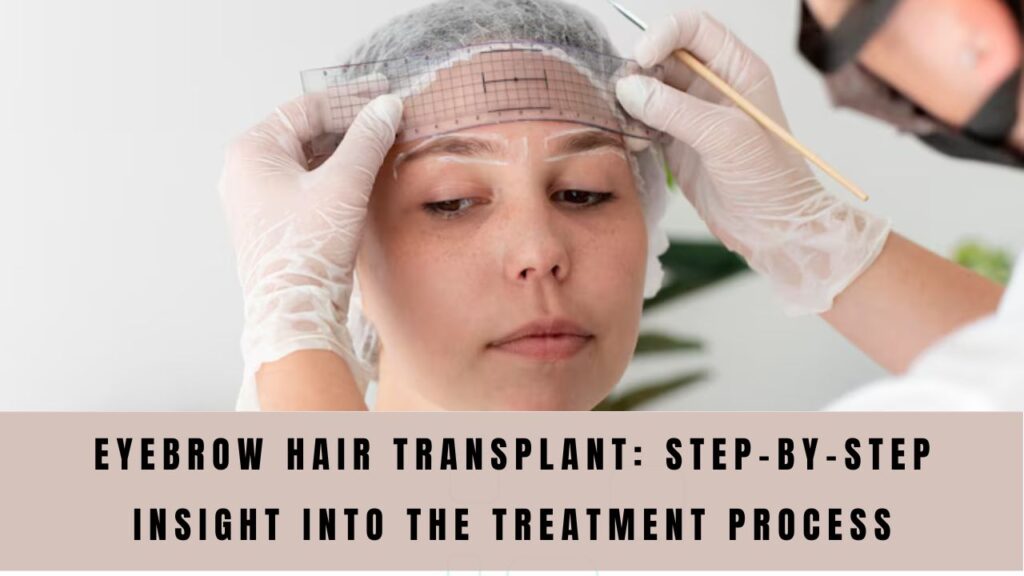
Before the procedure, a detailed consultation is critical. During this stage, the specialist evaluates brow shape, facial symmetry, skin type, and the extent of hair loss. The direction and angle of each transplanted hair are carefully mapped because eyebrow hairs grow at very specific angles.
This planning phase is essential to the success of an eyebrow hair transplant, as even minor misalignment can affect the final look. Patients also discuss realistic expectations, recovery timelines, and how long it may take to see full growth. Clear communication at this stage helps ensure that the results align with personal goals rather than trends.
Preparing for the Procedure
Preparation is usually straightforward. Patients may be advised to avoid blood-thinning medications, smoking, or alcohol for a short period before treatment. On the day of the procedure, the donor and recipient areas are cleaned and numbed with local anesthesia to ensure comfort.
Because the process is meticulous and time-intensive, it can take several hours, depending on the number of grafts needed. Despite this, most people remain relaxed throughout and can return home the same day.
The Transplant Process Explained
During the process, individual hair follicles are extracted one by one from the contributor area using fine instruments. These follicles are then prepared under magnification to preserve their integrity. Next, tiny incisions are made in the eyebrow area, following the natural direction of hair growth.
Each follicle is implanted with precision, ensuring the final pattern looks soft and realistic. This careful placement is what differentiates a well-performed eyebrow hair transplant from less refined results. Clinics such as Beverly Hills Hair Restoration in Palm Desert are known for emphasizing precision and natural design, which helps build trust through consistent outcomes rather than bold claims.
Recovery and Early Healing
After the procedure, mild redness or swelling may appear around the brows, typically resolving within a few days. Tiny scabs can form where follicles were placed, but these usually fall away naturally within a week. It’s important not to pick or rub the area during this phase.
Most patients can resume daily activities quickly, although strenuous exercise is often postponed for a brief period. In the first few weeks, transplanted hairs may shed, which is a normal part of the development cycle and not a sign of failure.
Hair Growth Timeline and Results
New growth usually begins around three to four months after treatment. Because transplanted follicles behave like scalp hair, they continue to grow and may need occasional trimming. Over six to twelve months, the brows gradually gain fullness and definition.
Understanding this timeline helps set realistic expectations. An eyebrow hair transplant doesn’t deliver an instant transformation, but the gradual progress often feels more natural and rewarding as results develop.
Conclusion
Choosing an eyebrow restoration method is a personal decision influenced by lifestyle, expectations, and comfort level. An eyebrow hair transplant stands out as a long-term solution because it works with your body’s natural growth patterns rather than relying on cosmetic illusion. By understanding each step of the process, from consultation to final results, individuals can approach the treatment with confidence and clarity. While patience is required during the growth phase, the outcome often feels authentic and lasting. For those seeking brows that move, grow, and age naturally with them, this step-by-step approach offers insight into why hair-based restoration continues to gain attention.