Rajasthan, the “Land of Kings,” is synonymous with grandeur, valor, and timeless architecture. Forts & Palaces in Rajasthan are not just monuments; they are living testaments to centuries of Rajputana pride, Mughal influence, and Marwari opulence. From desert citadels to lakeside palaces, each structure narrates tales of battles, romance, and artistry.
This article explores Rajasthan’s most iconic forts and palaces, their history, architecture, cultural significance, and travel tips—crafted as a comprehensive 1500-word guide for heritage enthusiasts.
Why Rajasthan’s Forts & Palaces Are Unique
- Historical Significance: Built between the 8th and 20th centuries, they reflect Rajput valor and Mughal artistry.
- Architectural Diversity: Blend of Rajput, Mughal, and European styles.
- Cultural Legacy: Hosts festivals, fairs, and royal traditions.
- Tourism Magnet: UNESCO sites like Jaisalmer Fort and Keoladeo Bird Sanctuary enhance Rajasthan’s global appeal.
Iconic Forts in Rajasthan
Amber Fort (Jaipur)
- Built in the 16th century by Raja Man Singh.
- Known for Sheesh Mahal (Mirror Palace) and elephant rides.
- Blend of Hindu and Mughal architecture.
Jaigarh Fort (Jaipur)
- Houses the world’s largest cannon on wheels, Jaivana.
- Overlooks Amber Fort and offers panoramic views.
Nahargarh Fort (Jaipur)
- Built as a retreat palace.
- Famous for sunset views over Jaipur city.
Kumbhalgarh Fort (Rajsamand)
- UNESCO World Heritage Site.
- Second-longest wall in the world (36 km).
- Birthplace of Maharana Pratap.
Chittorgarh Fort (Chittorgarh)
- Largest fort in India.
- Known for tales of Rani Padmini and jauhar.
- Features Vijay Stambh and Kirti Stambh.
Jaisalmer Fort (Jaisalmer)
- UNESCO World Heritage Site.
- A “living fort” with shops, hotels, and homes inside.
- Golden sandstone architecture.
Mehrangarh Fort (Jodhpur)
- Built by Rao Jodha in 1459.
- Houses museums, palaces, and courtyards.
- Offers breathtaking views of the “Blue City.”
Ranthambore Fort (Sawai Madhopur)
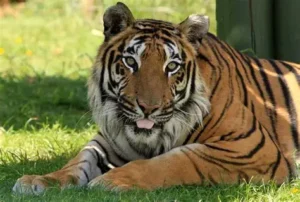
- Located inside Ranthambore National Park.
- Combines wildlife tourism with heritage exploration.
Junagarh Fort (Bikaner)
- Built in the 16th century.
- Unique for not being built on a hilltop.
Iconic Palaces in Rajasthan
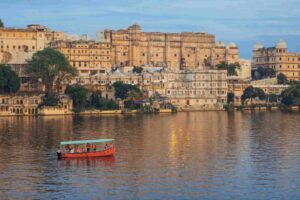
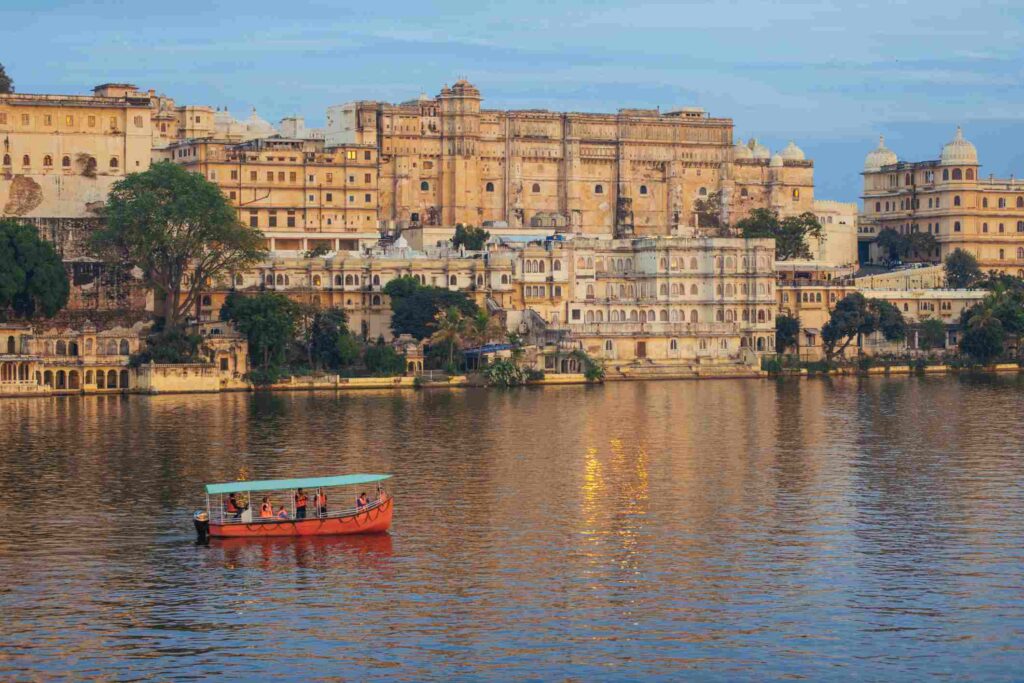
City Palace (Udaipur)
- Built on Lake Pichola’s banks.
- Blend of Rajput and Mughal architecture.
- Houses museums and royal residences.
Lake Palace (Udaipur)
- Built on Jag Niwas Island in Lake Pichola.
- Now a luxury hotel (Taj Lake Palace).
Jag Mandir (Udaipur)
- Known as “Lake Garden Palace.”
- Inspired Shah Jahan’s Taj Mahal design.
Hawa Mahal (Jaipur)
- “Palace of Winds” with 953 jharokhas (windows).
- Built for royal women to observe street life unseen.
Jal Mahal (Jaipur)
- Palace in the middle of Man Sagar Lake.
- Famous for its submerged floors.
Rambagh Palace (Jaipur)
- Former royal residence, now a luxury hotel.
Umaid Bhawan Palace (Jodhpur)
- Built in the 20th century.
- One of the largest private residences in the world.
- Partly a museum, partly a hotel.
Neemrana Fort Palace (Alwar)
- 15th-century fort converted into a heritage hotel.
- Popular for weekend getaways.
Lalgarh Palace (Bikaner)
- Indo-Saracenic architecture.
- Houses a museum and royal family residence.
Cultural Significance
- Festivals: Forts host events like the Jaisalmer Desert Festival and Mehrangarh music festivals.
- Royal Traditions: Palaces preserve Rajput hospitality and rituals.
- Art & Craft: Intricate carvings, frescoes, and mirror work showcase Rajasthan’s artistry.
Best Time to Visit
- Winter (October–March): Pleasant weather, ideal for sightseeing.
- Summer (April–June): Hot, but fewer crowds.
- Monsoon (July–September): Scenic beauty, though some forts may be slippery.
Suggested 7-Day Forts & Palaces Itinerary
Day 1–2: Jaipur – Amber Fort, Jaigarh, Nahargarh, Hawa Mahal, Jal Mahal.
Day 3–4: Udaipur – City Palace, Lake Palace, Jag Mandir.
Day 5: Jodhpur – Mehrangarh Fort, Umaid Bhawan Palace.
Day 6: Jaisalmer – Jaisalmer Fort, Patwon Ki Haveli.
Day 7: Chittorgarh – Chittorgarh Fort and Vijay Stambh.
Challenges
- Overcrowding: Popular sites like Amber and Mehrangarh face heavy tourist traffic.
- Preservation Issues: Weathering and commercialization threaten heritage.
- Accessibility: Remote forts require better infrastructure.
Sustainable Practices
- Eco-friendly tourism initiatives.
- Community-based heritage conservation.
- Promotion of local crafts and artisans.
Conclusion
Forts & Palaces in Rajasthan are more than architectural marvels—they are living chronicles of valor, romance, and artistry. From Amber’s grandeur to Udaipur’s lakeside elegance, each monument offers a unique glimpse into Rajasthan’s royal past.
For history lovers, they are gateways to the past; for travelers, they are immersive cultural experiences; and for humanity, they are reminders of resilience and creativity. Rajasthan’s forts and palaces will continue to enchant generations as timeless treasures of India’s heritage.